In a significant move to combat rising global antisemitism, the United States has appointed Rabbi Yehuda Kaploun as the new Special Envoy to monitor and address this pressing issue. Following a 53-47 party-line Senate confirmation vote in mid-December, Kaploun steps into a role that has been vacant since the office was established 22 years ago. His appointment reflects a renewed commitment by the U.S. government to tackle antisemitism on multiple fronts.
In an interview with Michael Doran, a senior fellow at the Hudson Institute, Kaploun discussed the complexities of his new position and the challenges he faces. He highlighted the resurgence of antisemitism as a pressing concern, equating it to anti-American sentiment. “For people chanting ‘Death to Israel’, the second line is usually ‘Death to America’,” he noted, underscoring the shared animosity directed at both nations.
Kaploun identified two main drivers of the current surge in antisemitism. First, he pointed to the pervasive influence of the internet, which allows false narratives to gain traction. “The norm is not the truth anymore, and that lends itself to a rise in antisemitism,” he explained. Secondly, he expressed concern over a lack of basic education among American students, which he believes fosters ignorance about American history and identity.
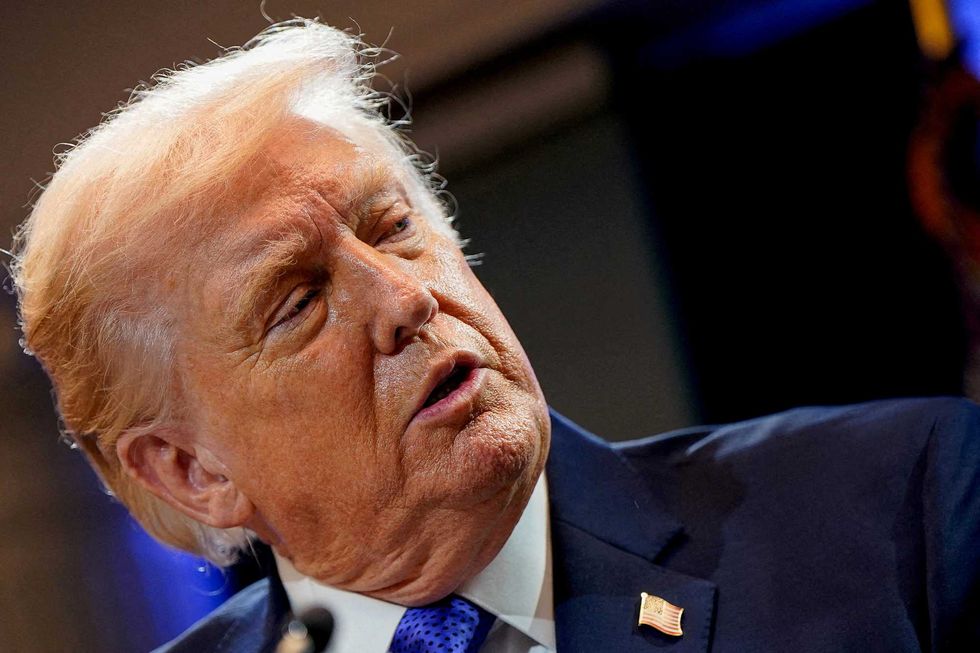
Despite the daunting nature of his responsibilities, Kaploun expressed confidence in the support from the Trump administration. He remarked, “We are blessed that this administration has really made antisemitism a priority,” emphasizing the importance of holding individuals accountable for their actions.
Strategic Goals and Recent Victories
The role of the Special Envoy encompasses two critical functions. The first is to respond to incidents of antisemitism as they occur, while the second involves influencing policy and employing ‘quality diplomacy’ to achieve tangible results. Kaploun confirmed that his office uses the International Holocaust Remembrance Alliance (IHRA) definition of antisemitism as a foundational guideline, questioning why fewer than 50 countries have adopted this standard.
Kaploun also noted several recent successes in combating antisemitism. Among these victories is the commitment of the Armenian government to join the IHRA, the restoration of security funding for synagogues and Jewish schools in Belgium, and the removal of anti-BDS language in Ireland. He praised countries such as Hungary, Romania, and Albania for their efforts to educate their populations about antisemitism, while expressing concern about the current state of affairs in Turkey and Pakistan.
The Special Envoy’s role is particularly relevant in the context of the historic Abraham Accords and recent agreements in Gaza, which Kaploun believes provide opportunities to reduce hate rhetoric on a global scale. He singled out the United Kingdom as a country facing significant challenges, particularly regarding safety for Jewish individuals. “To walk the street with a yarmulke in England, people are being attacked. That’s not OK,” he stated, emphasizing the need for governments to ensure safety and security for all citizens.
Challenges Ahead
Reflecting on the challenges facing his predecessor, former Special Envoy Gregg Rickman highlighted the dual threats of jihadi antisemitism and anti-Israel sentiment from the political left. He noted that this “unholy alliance” poses a significant challenge, particularly on college campuses where protests often arise in response to Israel’s defensive actions. Rickman expressed hope that Kaploun can make strides in addressing these complex issues.
With antisemitism on the rise globally, Kaploun’s appointment comes at a crucial time. The scope of the problem is vast, and its roots run deep, but there is optimism as he takes on this challenge with the backing of the U.S. government. As the world grapples with increasing incidents of hatred, effective strategies to combat antisemitism are more urgent than ever.