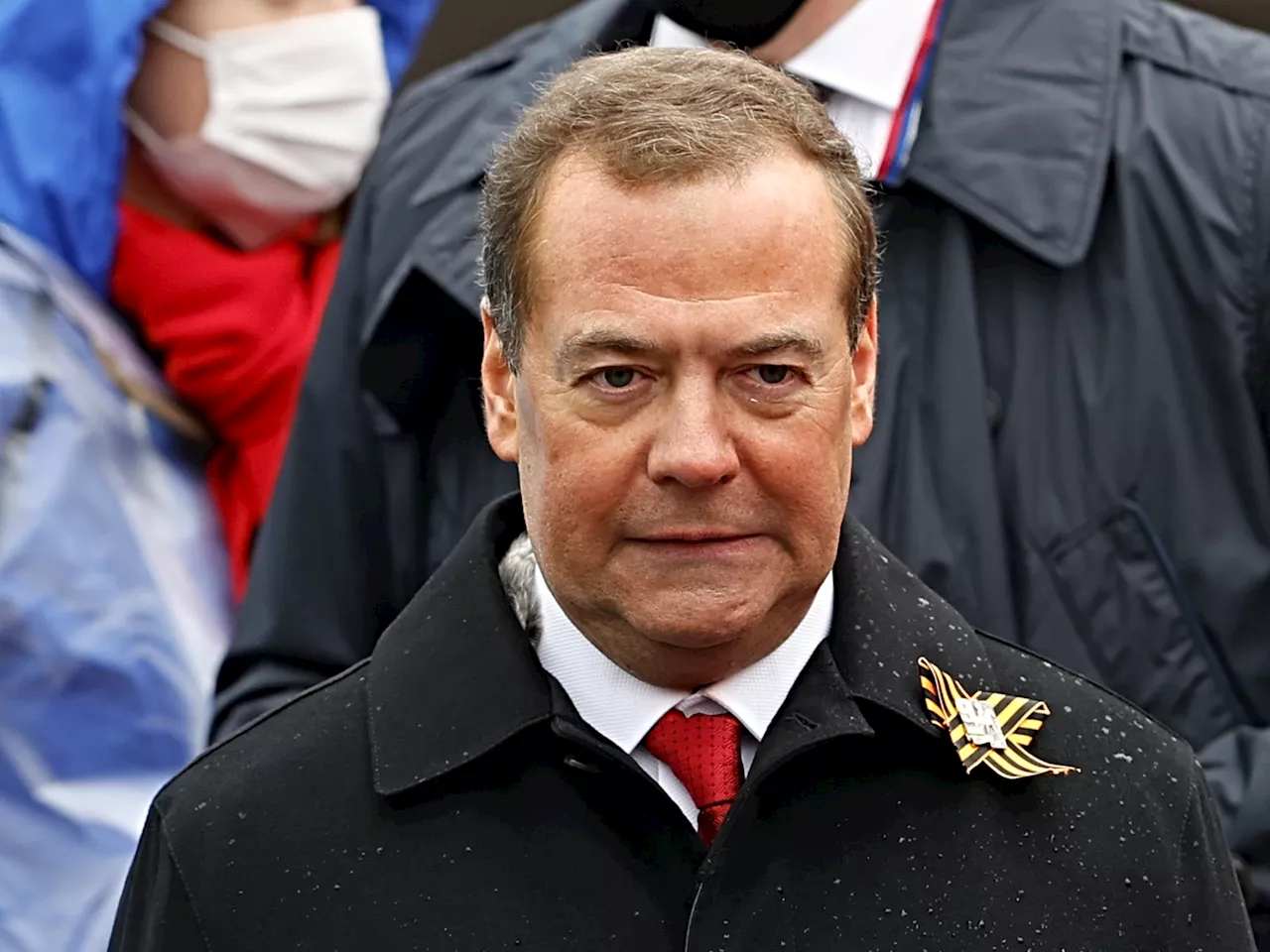
In a recent statement, Dmitry Medvedev, a senior official in the Kremlin, emphasized the growing dangers facing the world and called for a de-escalation of tensions. Medvedev positioned Russia as a stabilizing force, arguing that the current climate is largely a result of actions taken by Western nations. He asserted that Russia does not seek a global conflict, instead advocating for measured dialogue to address international security concerns.
Medvedev’s remarks come amid heightened global tensions, particularly in relation to military activities and geopolitical disputes. He noted that the international community must recognize the risks posed by escalating confrontations, which could have far-reaching implications for global stability. “The world is becoming increasingly dangerous,” he stated, underscoring the need for calm and rational discourse.
Russia’s Perspective on Global Security
The former President of Russia articulated that Western policies have contributed to the current instability. He criticized what he described as provocative actions and rhetoric from these nations, which, according to him, have exacerbated existing tensions. Medvedev’s perspective reflects a longstanding narrative within Russian political discourse that attributes global unrest to Western interventionism and aggression.
In his address, Medvedev reiterated that Russia’s objective is not to escalate conflicts but to foster an environment where dialogue can thrive. The Kremlin’s approach aims to paint Russia as a responsible actor on the world stage, one that prioritizes peace over confrontation.
Medvedev’s comments come at a time when many countries are grappling with their own security challenges. The implications of his statements extend to various regions, where the specter of conflict looms large. The official’s emphasis on dialogue suggests that Russia is ready to engage in discussions aimed at reducing tensions, particularly in areas of mutual concern.
Implications for International Relations
The call for de-escalation by Medvedev carries significant weight in the context of ongoing conflicts and diplomatic strains. As nations navigate complex relationships, Russia’s insistence on dialogue may resonate with countries seeking alternatives to military solutions.
Observers note that Medvedev’s remarks may be an attempt to position Russia as a constructive player in international affairs, especially as the global landscape continues to evolve. With security concerns mounting worldwide, the Kremlin’s push for reasoned conversation could influence future negotiations and peace efforts.
While the statements reflect Russia’s stance, the reception from Western nations remains uncertain. The effectiveness of such calls for calm will depend on the willingness of all parties to engage in sincere discussions aimed at reducing tensions.
As the world faces these critical challenges, Medvedev’s assertions serve as a reminder of the complex dynamics that shape international relations. The call for peace and dialogue underscores a shared need for stability in an increasingly unpredictable global environment.