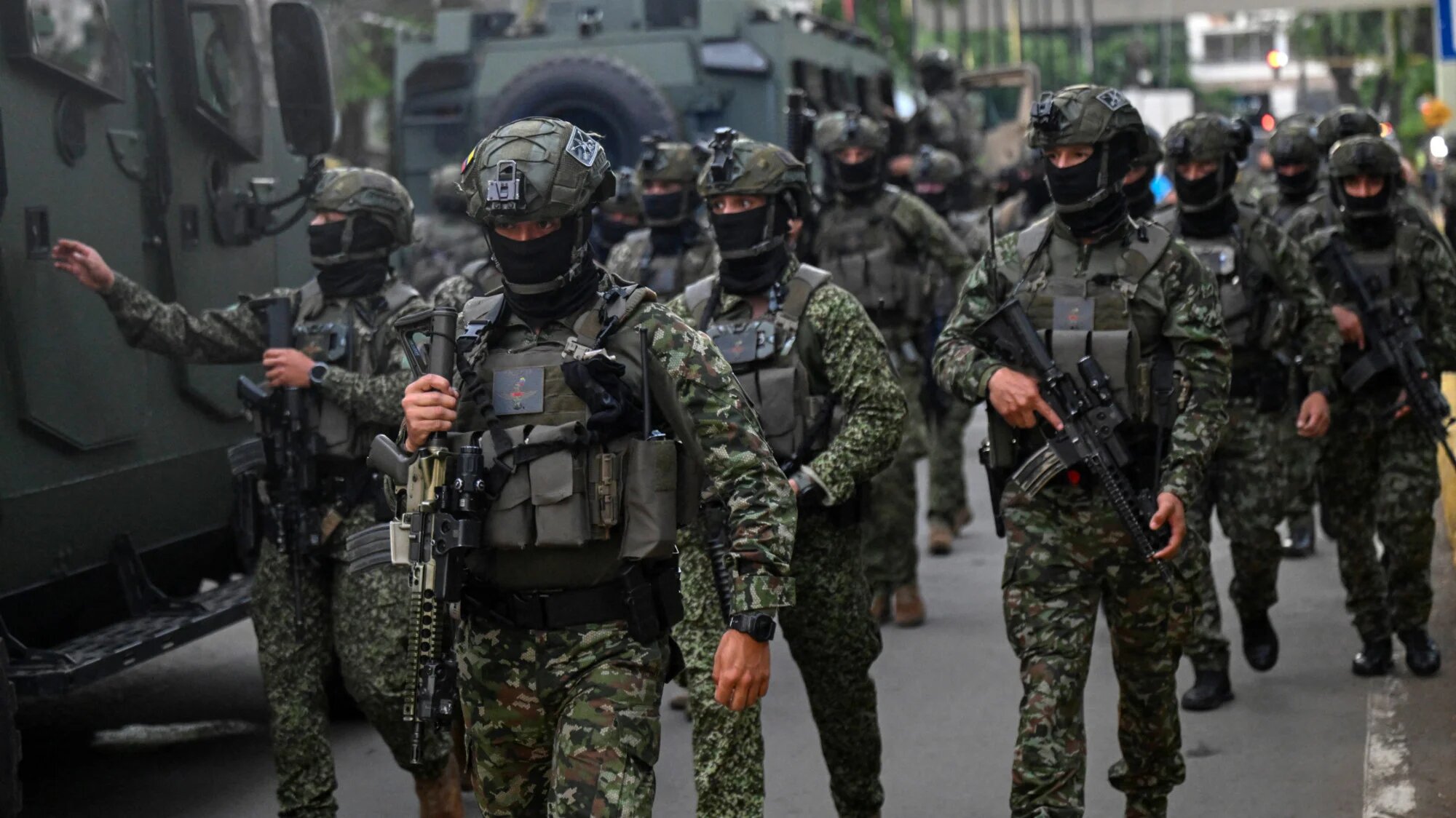
The export of Colombian military personnel has surged, with thousands of former soldiers now operating in conflict zones worldwide, including Ukraine, North Africa, and Mexico. A recent analysis by Henry Suckow Ziemer in the World of Crime Newsletter reveals how Colombia has become a leading source of mercenaries, highlighting the intersection of military experience and global demand for private security and combat expertise.
Understanding the Mercenary Pipeline
The trend of Colombian mercenaries can be traced back to a structural imbalance in supply and demand. Colombia discharges approximately 10,000 service members annually. Many of these individuals are in their early forties, facing limited pension benefits and few viable civilian job prospects. The networks established during Plan Colombia, alongside early recruitment drives by private military firms such as Blackwater, have normalized the practice of overseas contracting.
Further developments, particularly initiatives linked to the United Arab Emirates, have entrenched this market, embedding Colombian personnel in military campaigns in Yemen and Sudan. Today, a robust recruitment ecosystem thrives on word-of-mouth, sustaining this flow of personnel into various conflict zones.
Skills Acquisition and Criminal Demand
The ongoing war in Ukraine has significantly broadened the skill sets of Colombian veterans, who are now adept in high-intensity conventional combat, including drone operations and trench warfare. These enhanced capabilities do not remain confined to Europe. Mexican cartels, eager for tactical advancements, have begun recruiting veterans from Ukraine, which has facilitated the spread of sophisticated armed drone tactics across the Western Hemisphere.
The techniques learned abroad are not only benefiting foreign organizations but are also likely to find their way back into Colombia. Armed groups such as the National Liberation Army and factions of the Revolutionary Armed Forces of Colombia (FARC) are already adapting these unmanned systems, which may exacerbate local conflicts.
The implications of this trend are significant. The Americas are potentially entering a new era characterized by a reliance on contractors for security. Both governments and corporations are expected to increasingly engage private military forces to mitigate risks. Similarly, criminal organizations will follow suit, creating an evolving and less regulated marketplace for violence. Colombian veterans are poised to play a pivotal role in this landscape, as their battlefield experiences make them highly sought after by various entities.
In conclusion, the global export of Colombian mercenaries illustrates a complex interplay of military experience, economic necessity, and the rising demand for armed personnel in unstable regions. As this phenomenon continues to evolve, its impacts on both international security dynamics and domestic conflict in Colombia warrant close scrutiny.