A recent study published in the New England Journal of Medicine has raised significant questions about the necessity of radiation therapy for certain breast cancer patients. This groundbreaking research suggests that radiation may not be beneficial for all women diagnosed with early-stage breast cancer, particularly those who have undergone lymph node surgery and mastectomy.
The study focused on a cohort of 1,600 women with intermediate-risk breast cancer, specifically Stage II, who either had affected lymph nodes or aggressive tumors without lymph node involvement. Over a long follow-up period, the findings revealed that radiation treatment did not significantly impact survival rates. Among the participants, only 29 women experienced recurrent cancer in the chest area within 10 years without undergoing radiation.
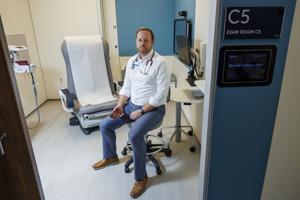
“This is an important trial in the management of breast cancer patients,” stated Dr. Chirag Shah, Chair of the Department of Radiation Oncology at the Allegheny Health Network Cancer Institute. He emphasized that these results could help redefine the standard of care for appropriately selected patients. However, he also highlighted a crucial limitation of the study: the majority of participants underwent axillary lymph node dissections, which may alter the applicability of the findings to current treatment practices.
In this study design, half of the women received radiation therapy post-surgery, while the other half did not. After ten years, both groups exhibited nearly identical survival rates of 81%. While this outcome indicates comparable survival, it does not clarify whether radiation contributes to preventing cancer recurrence or metastasis.
Radiation therapy works by directing high-energy beams or particles to damage the DNA of cancer cells, halting their growth. Despite its effectiveness, radiation can also affect healthy cells, though they generally recover from treatment. Traditionally, chemotherapy and radiation have been the cornerstones of cancer treatment due to their demonstrated benefits. Dr. Shah explained that earlier randomized trials indicated that radiation following mastectomy not only reduced recurrence rates but also improved overall survival.
“The radiation treatment is localized to the breast or chest wall and/or lymph nodes, contrasting with systemic chemotherapy, which is administered through an IV or orally and affects the entire body,” Dr. Shah noted.
While advancements in radiation techniques have minimized side effects, patients may still contend with both short-term and long-term risks. Short-term effects might include fatigue and skin irritation, while long-term consequences could involve skin changes, lymphedema, heart or lung issues, and, in rare cases, secondary cancers. Furthermore, radiation can complicate breast reconstruction efforts.
According to the American Cancer Society, breast cancer is the most prevalent cancer among women in the United States, following skin cancer. Approximately 1 in 8 women will be diagnosed with invasive breast cancer in their lifetime. In recent years, advancements in radiation treatment and targeted therapies have shortened treatment durations, allowing doctors to reduce radiation for women considered at low risk for recurrence.
The findings of this study suggest that some women at intermediate risk might be able to forgo radiation therapy. Nevertheless, Dr. Shah stresses the continued importance of radiation for higher-risk patients. “For those meeting the trial’s eligibility criteria, patients should be informed that radiation therapy has not shown to improve survival, although it may increase the risk of chest wall recurrences,” he cautioned. “Additionally, many women may not have lymph node dissection, and those individuals would still be recommended for radiation based on other clinical trials.”
Ultimately, Dr. Shah emphasizes the importance of shared decision-making between patients and their oncologists, ensuring that treatment plans are tailored to each individual’s circumstances. This study marks a potential shift in breast cancer treatment protocols, highlighting the need for ongoing research and personalized care approaches.