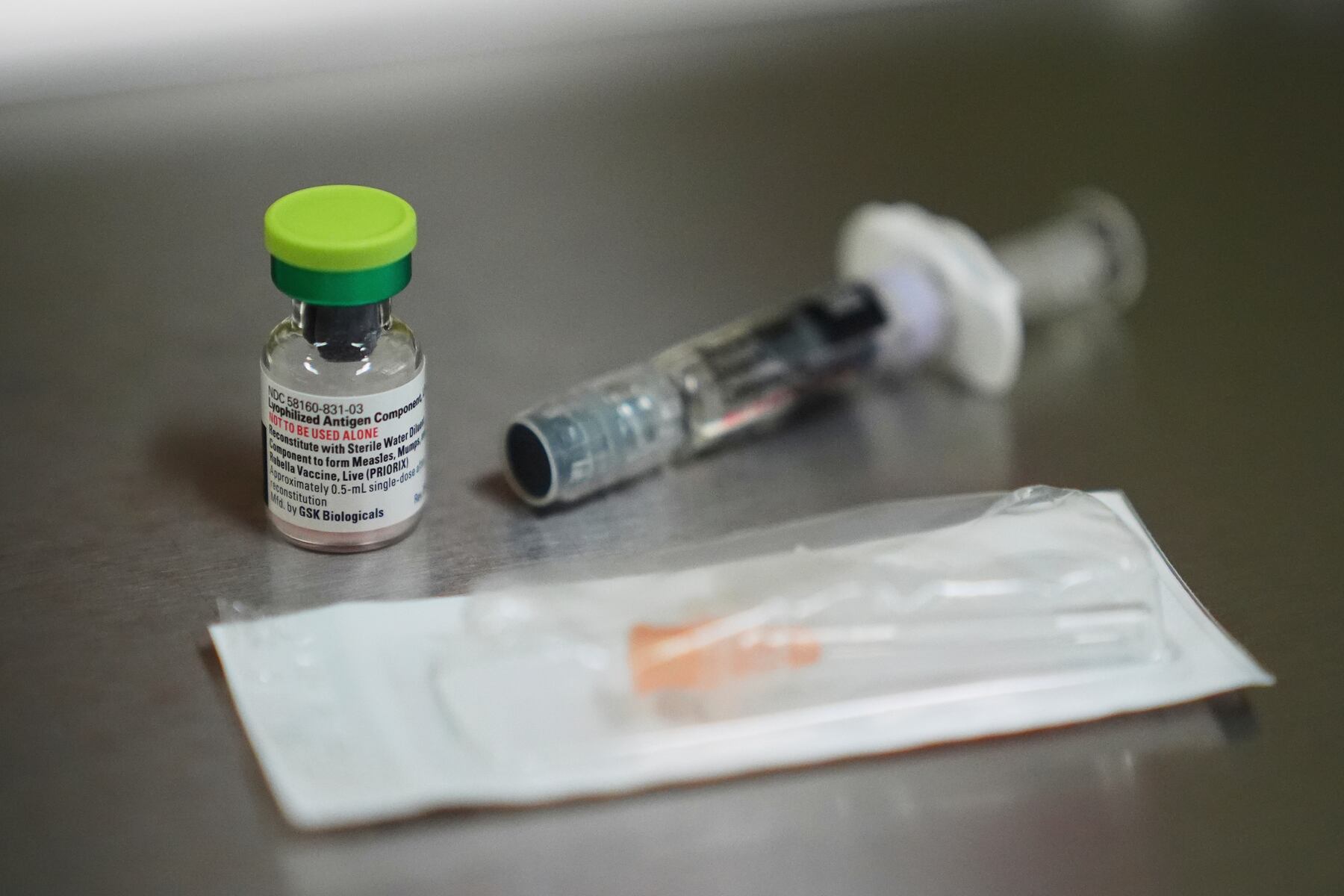
The U.S. Food and Drug Administration (FDA) has approved mitapivat, marketed under the brand name AQVESME, for treating anemia in adults suffering from non-transfusion-dependent alpha- and beta-thalassemia. This announcement was made by its parent company, Agios, in December 2025. With this approval, AQVESME becomes a significant new option for patients who have historically faced limited treatment choices for this serious condition.
Dr. Hanny Al-Samkari, a leading hematologist at the Massachusetts General Brigham Cancer Institute and associate professor at Harvard Medical School, emphasized the importance of this development. “Despite its severity, treatments for thalassemia have historically been limited, leaving some patients without any options,” he stated. The ENERGIZE and ENERGIZE-T Phase 3 trial results demonstrated that AQVESME effectively addresses anemia, fatigue, and the need for regular blood transfusions, which are significant challenges for individuals with thalassemia.
Mitapivat functions as a small-molecule oral activator of pyruvate kinase R (PKR), a key enzyme that plays a crucial role in maintaining the energy and longevity of red blood cells. This medication enhances red blood cell survival in patients with sickle cell disease by increasing adenosine triphosphate (ATP) levels and reducing sickling through a decrease in 2,3-diphosphoglycerate.
The FDA’s approval was grounded in the findings from the Phase 3 ENERGIZE and ENERGIZE-T trials. ENERGIZE was a double-blind, randomized, placebo-controlled study that took place across 70 hospitals in 18 countries. To qualify for inclusion, participants had to be at least 18 years old, have non-transfusion-dependent alpha- or beta-thalassemia, and present with hemoglobin concentrations of ≤10 g/dL.
In the ENERGIZE trial, 194 patients were enrolled, with 130 receiving mitapivat and 64 assigned to the placebo group. Participants received either mitapivat or placebo at a dosage of 100 mg orally, twice daily for a duration of 24 weeks. The primary endpoint was the change in hemoglobin response from baseline. The results showed that 55 patients treated with mitapivat achieved a hemoglobin response, compared to just 1 patient in the placebo group, demonstrating a least-squares mean difference of 41% (95% CI, 32-50; P <.0001). Adverse events were reported in 107 patients from the mitapivat group versus 63 in the placebo group, with the most common reactions including headache, initial insomnia, nausea, and upper respiratory tract infection. Importantly, no deaths were reported during the trial. The ENERGIZE-T trial further investigated the efficacy and safety of mitapivat in adults with transfusion-dependent alpha- or beta-thalassemia. In this study, patients were also randomly assigned in a 2:1 ratio to either mitapivat at 100 mg or a placebo, taken twice daily for 48 weeks. The primary endpoint was the transfusion reduction response (TRR), defined as a ≥50% reduction in transfused red blood cell units and a reduction of ≥2 units within any consecutive 12-week period compared to baseline. A total of 258 patients participated in the ENERGIZE-T trial, with 171 assigned to mitapivat and 87 to placebo. The results indicated a TRR was achieved in 30.4% of patients receiving mitapivat, compared to 12.6% in the placebo group. Statistically significant reductions in transfusion burden were evident across all key secondary endpoints: TRR2 showed 13.5% versus 2.3%, TRR3 demonstrated 14.6% versus 1.1%, and TRR4 reflected 7.6% versus 1.1%. Brian Goff, chief executive officer of Agios, expressed the significance of this approval: “Today is a landmark moment for the thalassemia community, bringing forward an innovative, disease-modifying oral medicine to address the urgent needs of people living with this devastating rare blood disorder.” With this development, AQVESME becomes the first and only medication specifically indicated for the treatment of anemia in both non-transfusion-dependent and transfusion-dependent alpha- and beta-thalassemia. This approval represents a crucial advancement in the treatment landscape for thalassemia, offering hope to many patients who previously had limited options. As healthcare providers begin to integrate AQVESME into treatment protocols, its impact on patient outcomes will be closely monitored.