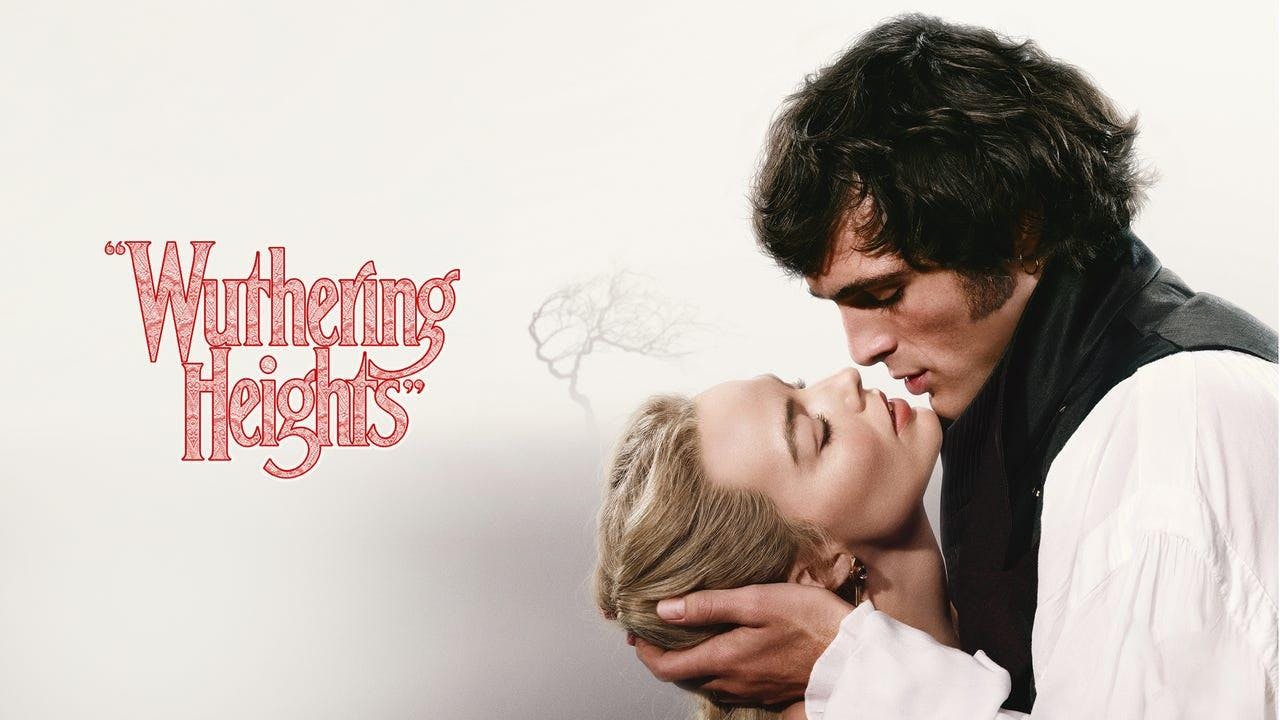
Emerald Fennell’s recent adaptation of the classic novel *Wuthering Heights* has sparked heated discussions among audiences, particularly regarding the film’s portrayal of key characters. While much attention has been directed at the chemistry between Catherine Earnshaw, played by Margot Robbie, and Heathcliff, portrayed by Jacob Elordi, the character of Nelly Dean, represented by Hong Chau, has received comparatively little scrutiny. This article aims to explore the complexities of Nelly’s character and her often-overlooked significance in the narrative.
Nelly Dean serves as Catherine’s companion throughout the film, and her characterization sharply contrasts with that of the free-spirited Catherine. Nelly is depicted as quiet and proper, highlighting the differences in their personalities. As the story unfolds, it becomes evident that Catherine’s relationship with Nelly diminishes as she gravitates towards Heathcliff. This shift illustrates the limitations placed on Nelly due to her societal status. As the illegitimate daughter of a lord, Nelly faces constraints that restrict her opportunities for happiness and independence.
Nelly’s position in the household is further complicated when Catherine marries Edgar Linton, played by Shazad Latif. In a poignant scene, Catherine confides in Nelly about her tumultuous feelings for Heathcliff but ultimately decides to marry Edgar for security. During this emotional moment, Catherine’s words cut deep, as she dismissively tells Nelly that no one has ever loved her. This comment not only betrays their long-standing companionship but also highlights Catherine’s self-centeredness, a point that becomes increasingly evident as the story progresses.
Catherine’s subsequent breakdown showcases her internal conflict. Nelly, while visibly agitated, remains a silent witness to her friend’s turmoil. The dynamics of their relationship take a further turn when Heathcliff leaves after overhearing a conversation between the two women. Catherine’s refusal to acknowledge her feelings for Heathcliff leads to a separation that reverberates through the rest of the narrative, culminating in her eventual downfall.
Despite being portrayed as a villain in the adaptation, Nelly is not the true antagonist of the story. The narrative suggests that all characters harbor flaws, and no one is without blame. Nelly is portrayed as a figure of resentment, trapped in a life of servitude and unable to escape her circumstances. Her feelings of frustration are entirely justified, given the treatment she receives from Catherine and the expectations placed upon her.
As the film progresses, it becomes apparent that Nelly’s choices are influenced by her desperate need to navigate a world where her status limits her agency. She is depicted as someone who ultimately bears the burden of Catherine’s decisions, a narrative decision that may not align with the complexity of her character in the original novel.
In Fennell’s adaptation, the lack of depth in both Nelly and Catherine’s portrayals reduces them to one-dimensional representations of good and evil. While Nelly’s actions can be interpreted as misguided, they stem from a place of deep-seated frustration and societal constraints. By relegating Nelly to the role of a traitor, the film overlooks her struggles and the complexities of her character.
The adaptation raises vital questions about the treatment of female characters in literature and film. By presenting Nelly as an almost Judas-like figure, the film strips away her humanity, rendering her as a scapegoat for the unraveling of Catherine’s life. This narrative choice ultimately diminishes the richness of the original story, where both women could be understood as flawed individuals navigating a harsh world.
In conclusion, Nelly Dean’s role in Emerald Fennell’s *Wuthering Heights* deserves a more nuanced examination. While the film highlights Nelly’s flaws, it fails to acknowledge the societal pressures that shape her actions. Understanding her character within the broader context of the story reveals that she is not the villain but rather a victim of circumstance, caught in a web of friendship and betrayal. As audiences continue to engage with this adaptation, it is crucial to recognize the complexities of all characters involved, moving beyond simplistic interpretations to appreciate the depth and richness of the original narrative.