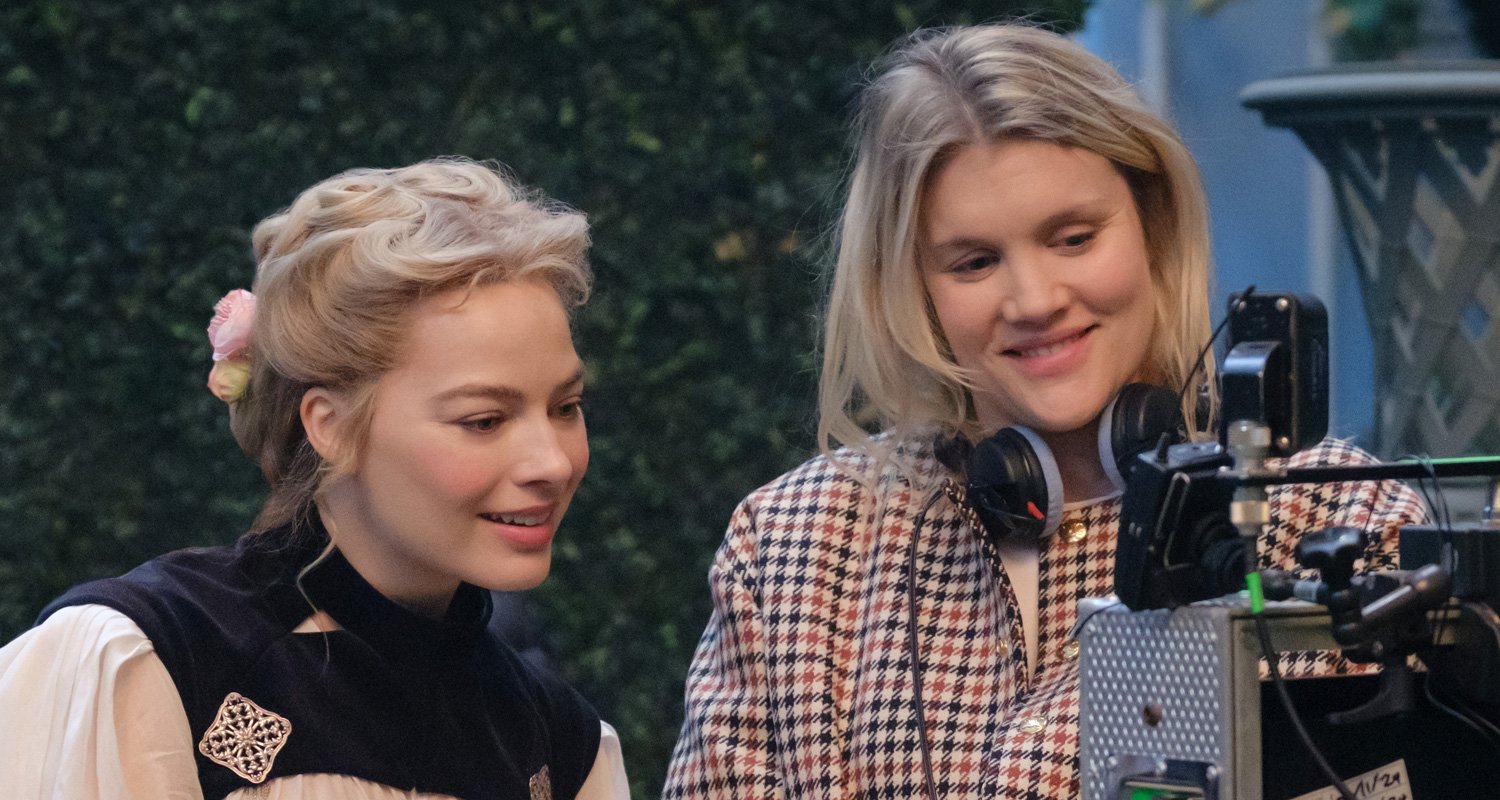
Emerald Fennell has shared insights into her recent film adaptation of Wuthering Heights, revealing significant changes made from the original novel. The 40-year-old filmmaker took on the roles of both writer and director for this new version, which has sparked a mix of intrigue and controversy among audiences and critics alike.
In an interview with Entertainment Weekly, Fennell elaborated on her creative decisions, stating that her approach was driven by personal interpretation rather than a straightforward retelling of the classic story. “It was funny, you know, I think the things that I remembered were both real and not real,” she explained, acknowledging that her recollections of the narrative were influenced by a blend of personal experience and artistic license.
Focusing on Interpretation Over Adaptation
Fennell emphasized her desire to create a film that reflects her own response to the book rather than adhering strictly to the source material. She noted that many previous adaptations, as well as cultural interpretations such as Kate Bush’s iconic song and Balthus’ lithographs, often concentrate on the tumultuous relationship between Cathy and Heathcliff. “That’s really the moment that draws to an end in the book,” she remarked, suggesting that this focus shaped her narrative choices.
This decision led her to concentrate primarily on the first half of the novel, which required her to make “hard decisions” regarding character and plot inclusion. Fennell expressed a desire for a more expansive treatment, saying, “I would do a mini series and encompass the whole thing over 10 hours, and it would be beautiful.” However, she acknowledged the constraints of cinematic storytelling that necessitated a tighter narrative framework.
Fennell’s adaptation reflects her commitment to creating a distinct vision for the story, diverging from traditional adaptations while still engaging with the essence of Emily Brontë’s work. The film has ignited discussions around the balance between fidelity to the source material and the freedom of artistic interpretation.
As the release of the film approaches, audiences are eager to see how Fennell’s choices resonate on screen, and critics are already weighing in on the implications of her creative direction.