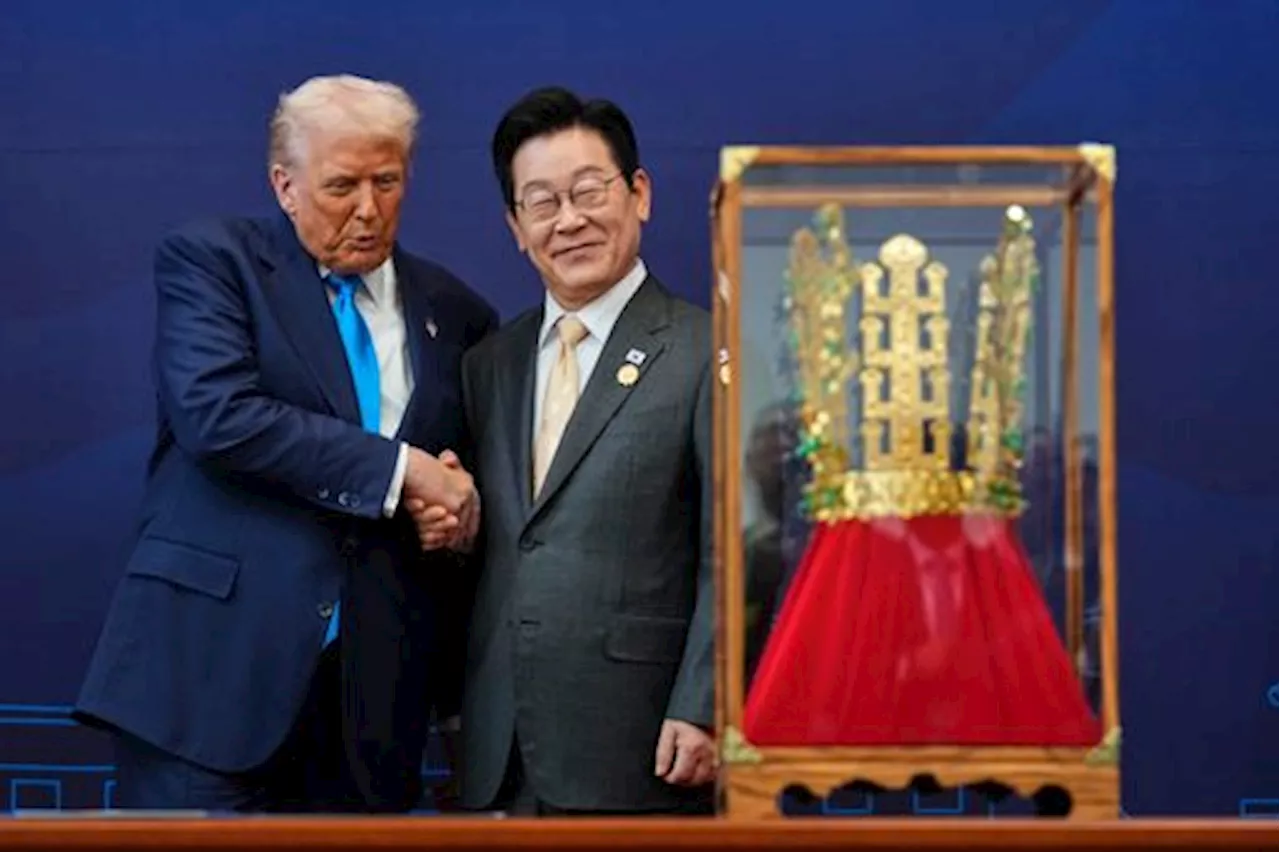
President Donald Trump has announced a significant increase in tariffs on South Korean goods, raising them from 15% to 25%. This decision comes as a response to the South Korean National Assembly’s failure to approve a trade agreement that Trump claims was finalized during discussions with South Korean President Lee Jae-myung in October 2025.
Trump expressed his frustration through a post on his Truth Social platform, stating that the United States has acted swiftly to reduce tariffs in line with trade agreements and expects the same commitment from its partners. He emphasized the importance of trade deals to the US economy, saying, “Our Trade Deals are very important to America.”
The trade agreement, which was reached on July 30, 2025, includes provisions for investment commitments from South Korea and tariff reductions by the United States. The initial terms allowed the US to maintain tariffs of up to 15% on various South Korean imports, including automobiles, car parts, and pharmaceuticals. Under the previous agreement, tariffs on South Korean cars were reduced from 25% to 15%, a measure that supported South Korean exports to the US.
Trump’s latest tariff increase could adversely affect South Korea’s automotive industry, which constitutes 27% of its total exports to the United States. Currently, the US market absorbs nearly half of South Korea’s car exports. If implemented, the higher tariffs would put South Korean products at a disadvantage compared to those from economies like Japan and the European Union, which have secured a 15% tariff rate under their trade agreements with the US.
The implications of this tariff hike extend beyond trade statistics; they could strain diplomatic relations between the United States and South Korea. The Korean National Assembly’s delay in ratifying the trade deal has sparked tensions, with Trump questioning their commitment to the agreement. He remarked, “Why hasn’t the Korean Legislature approved it?”
As the situation develops, stakeholders in both countries will be closely monitoring the potential economic impact of the increased tariffs. Analysts suggest that the automotive sector, in particular, may face challenges in adjusting to the new tariff landscape, which could influence pricing and competitiveness in the US market.
In summary, Trump’s decision to escalate tariffs on South Korean goods reflects ongoing frustrations regarding trade negotiations and highlights the delicate balance of international trade relationships. The future of the trade agreement now hinges on the actions of the South Korean legislature and the evolving dialogue between the two nations.