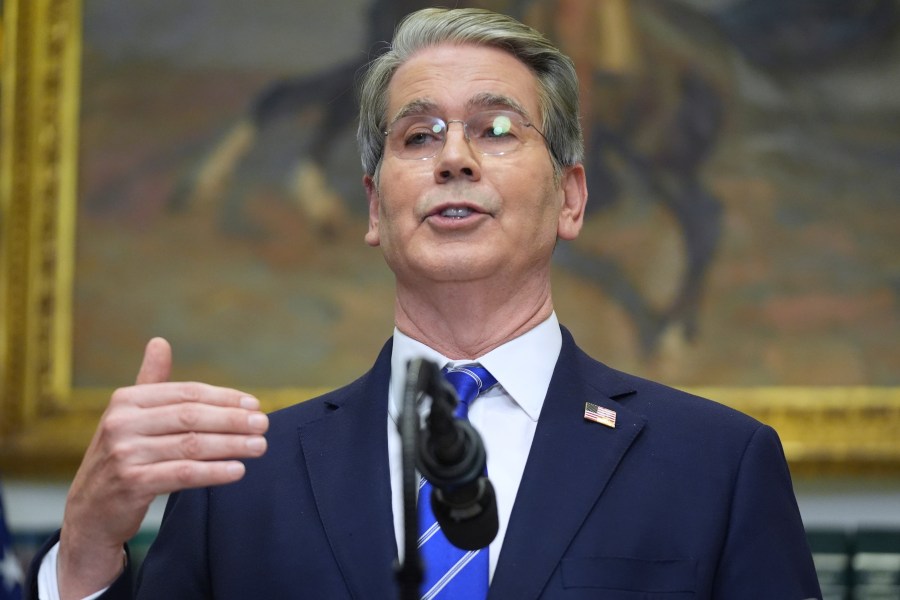
The U.S. Treasury Department has escalated its investigations into businesses assisting the Somali community in Minnesota with international money transfers. Treasury Secretary Scott Bessent announced on Friday that these actions are part of a broader effort to uncover fraudulent activities within this community. The investigations follow a series of immigration enforcement measures targeting the Somali diaspora initiated by the Trump administration.
Minnesota’s Somali population, one of the largest in the United States, plays a crucial role in remittance services, facilitating financial support for families back home. These services often involve wire transfers, which have now come under scrutiny. Bessent indicated that the government aims to ensure compliance and prevent potential misuse of these financial systems.
The Treasury’s focus on this community raises concerns among advocates who argue that the initiatives may disproportionately affect law-abiding citizens. They highlight the importance of remittances, which are vital for many Somali families relying on support from relatives abroad. Critics argue that the investigations could lead to a chilling effect on businesses serving the community.
Bessent emphasized that the investigations are not solely aimed at the Somali community but are part of a larger strategy to combat fraud across various demographics. Nonetheless, the specific targeting of Minnesota’s Somali businesses has sparked discussions about racial profiling and the potential for discrimination in enforcement actions.
The implications of these investigations extend beyond financial scrutiny. They may also affect community relations and trust between the Somali population and government agencies. Advocates are calling for transparency in the investigations to ensure that innocent parties are not unfairly impacted.
In recent months, the Trump administration has taken a hard stance on immigration and financial enforcement, contributing to heightened tensions within immigrant communities. The Treasury’s recent actions reflect this broader agenda, as the government intensifies its focus on preventing fraud and abuse in money transfer systems.
As the situation develops, it remains crucial for stakeholders to monitor the impact on Minnesota’s Somali community. The balance between preventing fraud and protecting the rights of individuals remains a significant challenge for policymakers and law enforcement agencies moving forward.