The chief executive of German utility giant E.ON, Leonhard Birnbaum, has urged the government to prioritize job creation over the expansion of wind and solar energy capacities. In an interview with Sueddeutsche Zeitung, Birnbaum emphasized that the focus should be on businesses that create employment rather than merely increasing the number of renewable energy installations.
“First priority for grid connection should go to whoever creates jobs,” he stated. Birnbaum pointed out that while the costs associated with the fixed feed-in tariff for new solar power may seem manageable on an annual basis, these subsidies can extend for up to 20 years, leading to significant financial implications. “That adds up to billions,” he added.
Concerns Over Renewable Energy Subsidies
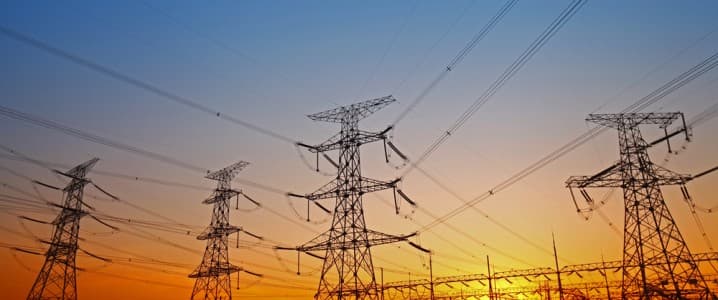
Birnbaum’s comments come in the context of Germany’s ongoing transition to renewable energy, known as Energiewende, which was initiated during the tenure of former Chancellor Angela Merkel. The country has aggressively developed its wind and solar capabilities, achieving over 60% of its electricity generation from renewables. Despite this success, Birnbaum argued that the current model of subsidizing new renewable capacity may no longer be justified.
“The renewables have won,” he remarked, indicating that further investment in additional wind turbines may not yield significant benefits. He expressed concern that the added costs of new installations might outweigh any advantages, particularly in light of Germany’s current energy landscape.
As part of its energy transition plan, Germany shut down its last nuclear power plants in 2022, a decision that necessitated the reactivation of coal power plants to ensure reliable electricity supply during periods without wind or sunlight, a phenomenon referred to as Dunkelflaute.
Energy Supply and Future Strategy
Despite its substantial investments in wind and solar energy, Germany has increased its imports of natural gas, primarily from the United States, to offset the reduction in Russian gas supplies. As the country continues to navigate its energy needs, it is in the process of constructing additional import terminals for Liquefied Natural Gas (LNG).
Looking ahead, Germany has plans to potentially convert these terminals to accommodate green hydrogen, although this transition remains a long-term aspiration contingent on future energy requirements. The current focus on expanding LNG infrastructure underscores the complexities of balancing renewable energy goals with immediate energy demands.
Birnbaum’s call for a reevaluation of subsidy priorities highlights the ongoing debate over the best path forward for Germany’s energy policy. With significant investments already made in renewable infrastructure, the challenge remains to balance economic growth, job creation, and sustainable energy development in a rapidly changing energy landscape.