Good Housekeeping Institute reveals its exacting process for testing washing machines, offering a behind-the-scenes look at how the top models are selected and ranked for U.S. consumers right now.
With laundry day a universal chore, the stakes of investing in the right washing machine are higher than ever. The Institute’s Home Care Cleaning Lab employs strict industry standards established by the Association of Home Appliance Manufacturers to evaluate machines on key factors like cleaning effectiveness, fabric gentleness, water extraction, speed, and user experience.
Testing Beyond Labels: How Machines Are Put to the Ultimate Wash
Before a machine sees a single test cycle, the team digs into market research, tracking innovations and attending trade shows to ensure the latest models and features are covered. Once in the lab, washers face rigorous evaluations using a range of load sizes and cycles, mirroring real-world laundry routines from large bedding loads to delicate fabrics.
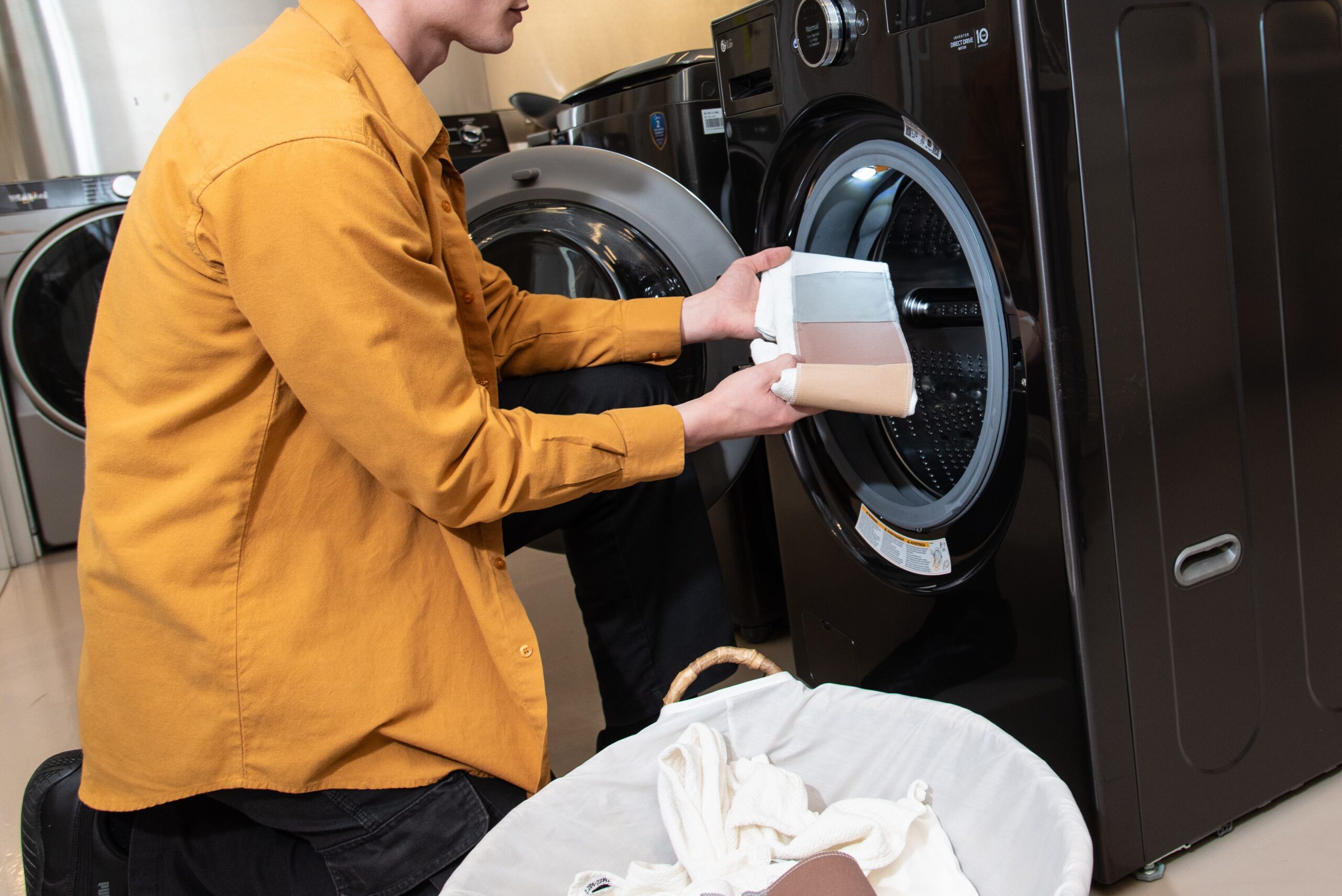
Cleaning capability stands out as the top criterion. Technicians affix specially designed stain strips mimicking common and tough soils—like wine, blood, and body oils—to test fabrics. After washing, a colorimeter precisely measures how much stain is lifted by comparing cleaned test strips to unwashed controls.
Simultaneously, washers are judged on fabric gentleness. Fragile cotton swatches with unfinished edges get washed alongside normal loads, and expert analysts count frayed threads post-cycle—a direct measure of mechanical wear and tear that can shrink wardrobes over time.
Water removal rates are tracked by weighing loads before and after drying to assess how effectively each machine spins out excess water. A higher water extraction rate means quicker drying times and energy savings for consumers in Montana and nationwide.
Cycle speed is timed meticulously for every load size and setting, answering a key question: Can the machine keep up with today’s fast-paced lifestyles? But speed alone doesn’t secure a high ranking—ease of use matters just as much.
User Experience Drives Real Value
Good Housekeeping’s team evaluates control panels, cycle selections, and overall design practicalities such as door operation and detergent dispensers. Machines that simplify loading, unloading, and customization score higher, reflecting the daily realities of household users.
After lab rounds, select washers are sent to staff members for long-term home use. This phase reveals practical insights on noise levels, daily convenience, and durability beyond controlled testing.
Each model undergoes a final holistic scoring, balancing lab performance with real-world feedback and efficiency specs like water and energy consumption to pinpoint which machines truly deserve consumer dollars.
What This Means Right Now for Buyers
For Montana residents and consumers across the country, these detailed tests translate into trusted guidance amid a crowded market flooded with flashy features and claims. Good Housekeeping’s transparent and thorough testing cuts through marketing hype by providing actionable information based on rigorous science and everyday usability.
As energy costs rise and environmental concerns grow, understanding efficiency alongside cleaning power and gentleness is crucial. This insight is especially relevant in Montana, where resource conservation increasingly shapes buying decisions for home appliances.
Consumers looking to replace or upgrade their washing machines can lean on these findings to pick a model that balances performance, care for clothes, speed, ease, and ongoing reliability—ensuring better laundry days ahead.
Stay tuned to Montana Insider for updates as new washers hit the market and Good Housekeeping expands its testing to reflect evolving technology and consumer demands.