FBI Issues Warning After Surge in Sophisticated Banking Spoof Calls Stealing Thousands
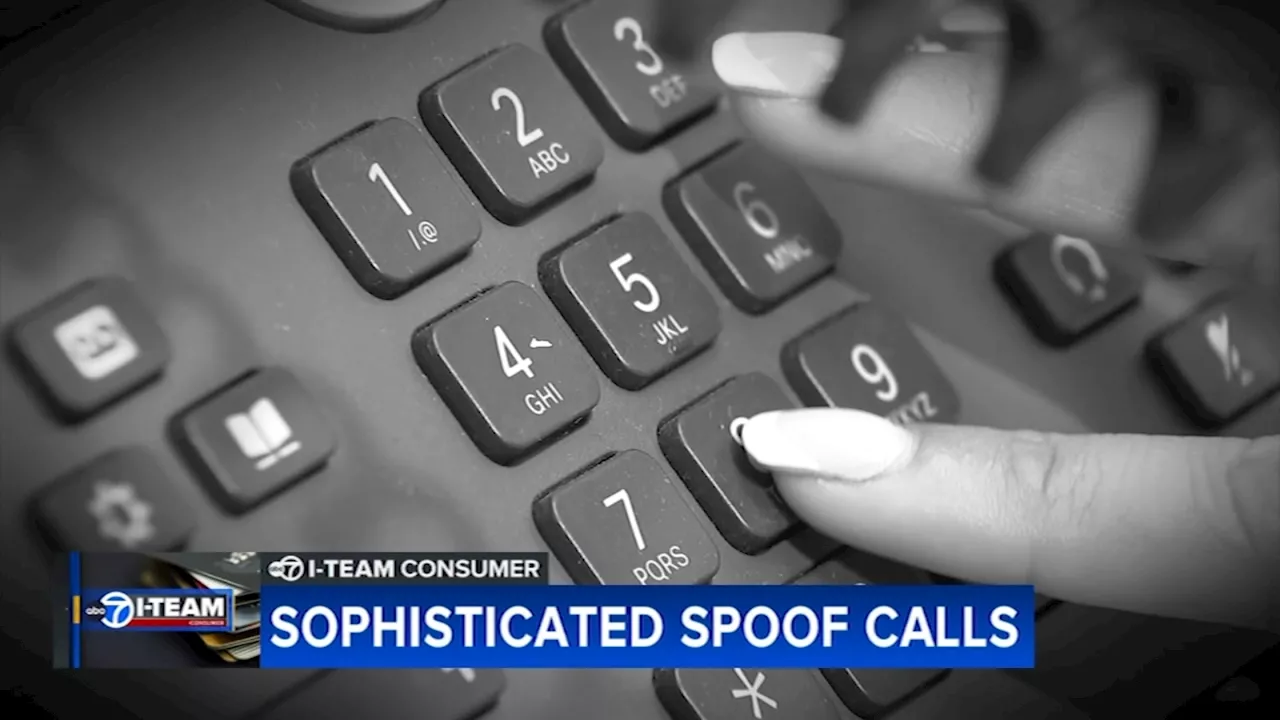
The FBI and banking authorities are sounding alarms about a sharp rise in highly sophisticated phone scams where fraudsters impersonate bank officials and law enforcement agents to trick victims into transferring money. Recent reports reveal victims nationwide are losing tens of thousands of dollars to criminals exploiting technology that can mimic official phone numbers and employ high-pressure tactics.
These scams have escalated in scale and complexity in 2026, with the FBI receiving over 191,000 complaints of phishing and spoofing attacks already this year. Financial losses linked to these incidents have topped $215 million, making this the most frequently reported fraud to the Internet Crime Complaint Center (IC3).
Victims Tricked Into Voluntary Transfers, Losing Thousands
Among those affected is Montana-area victim Lichthardt, who was duped by calls displaying the legitimate Chase fraud department number. The scammers, convincingly posing as Chase employees and even FBI agents, falsely claimed an unauthorized Chase employee was accessing her account. Under duress, she transferred approximately $40,000 to a so-called “secured” Chase account and additional funds to an online bank. The stolen funds vanished the same day they were deposited, confirmed by Chase.
Rob Elgas, an ABC7 reporter investigating the scam, shared his personal brush with the fraud where scammers demanded he send an “employee FDIC inspector number” through Zelle, which was actually a monetary amount. Realizing the deception, he confronted the caller before losing $1,800.
Another victim, Allgood, was manipulated into upgrading his Zelle account to a business account by a scammer claiming affiliation with Huntington Bank and Zelle. Although Huntington Bank confirms customers receive multiple fraud warnings and must confirm transfer recipients, Allgood emphasized the scammer had access to his banking details, guiding his actions.
How Scammers Gain Access and Manipulate Victims
Authorities say criminals collect banking and personal information through data breaches, the dark web, and physical scavenging of discarded documents. This enables them to access victims’ balances and transaction histories using bank automated systems, increasing the credibility of their spoofed calls.
Robert Richardson, a special agent with the FBI Chicago Field Office, explained the modus operandi: scammers deploy fear and urgency, mimicking law enforcement to overwhelm victims’ judgment. “They create panic to rush victims into hasty money transfers before they can verify legitimacy,” Richardson said.
Federal Authorities Investigate as Financial Losses Mount
Victims have reported incidents to local police and the FBI, triggering ongoing investigations to identify and dismantle these fraud rings. Unfortunately, banks typically do not reimburse stolen funds in these cases because the transfers were made voluntarily under deceptive circumstances, distinguishing them from unauthorized debit card fraud.
Chase and other major banks strongly advise customers to disregard unsolicited phone calls, texts, or emails requesting money transfers or account access. Legitimate banks will never request clients to transfer funds or provide remote computer access by phone. Victims should always call their bank using the number found on the back of their debit or credit cards to confirm any suspicious contact.
As these scams spread nationwide, Montanans and all Americans are urged to remain vigilant. The FBI emphasizes that recognizing the scam tactics—such as spoofed caller IDs, urgent demands, and impersonations of law enforcement—is key to prevention.
With losses already exceeding $215 million nationwide and mounting, financial institutions and federal agencies are intensifying efforts to warn consumers and track down perpetrators behind these increasingly convincing spoof calls.