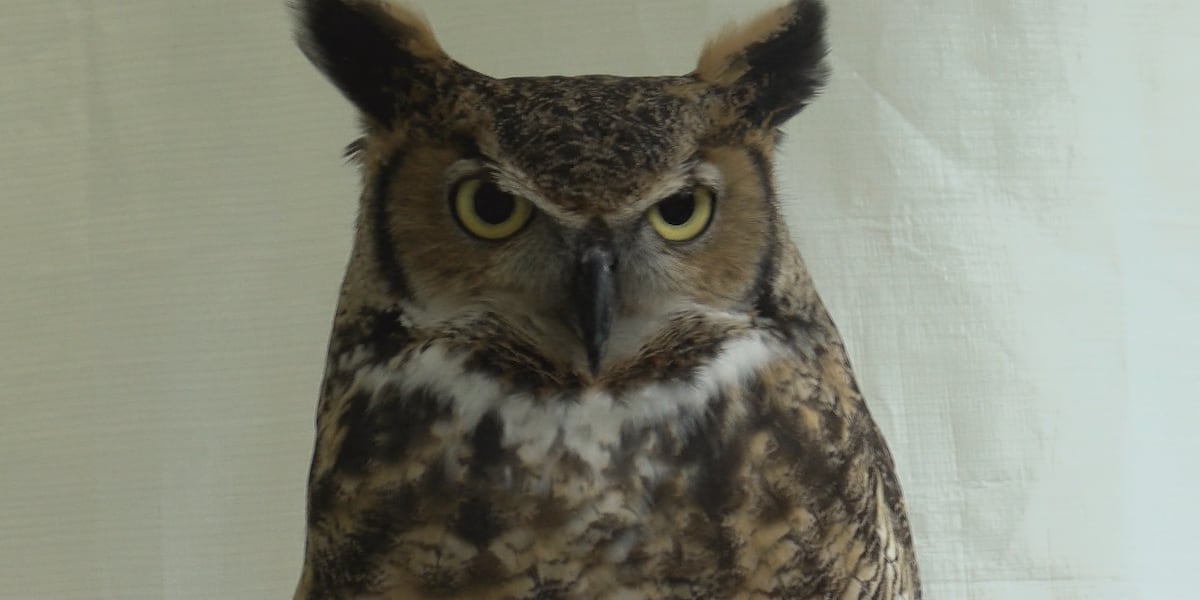
HINTON, W.Va. — The Three Rivers Avian Center in Hinton has opened its doors to the public today, unveiling the urgent crisis facing migratory birds with populations down a shocking 52 percent over the past two decades. Visitors to the 100-acre nonprofit sanctuary can now tour the facility and meet thirteen ambassador birds, including owls and bald eagles, while learning about the dramatic declines threatening native wildlife.
Wendy Perrone, executive director of Three Rivers Avian Center, emphasized the critical situation affecting migratory birds. She said,
“In the last twenty years, we’ve lost 52% of the migratory birds that used to fill our skies and so it’s really bad situation right now and if we can get people to understand what they can do their day-to-day lives to help wild birds, we may be able to turn this disaster around.”
Since its founding in 1990, the center has operated as both a conservation hub and an educational institution dedicated to wildlife rehabilitation. Now in its 36th year, the center depends on private donations and grants to feed and care for injured birds across West Virginia and beyond.
The new public tours are part of a strategic push to raise awareness and sustain operations. Visitors can encounter remarkable birds such as Gimli the owl and Hoolie, a crow known among staff, as well as enjoy guided walks through the forested preserve.
With migratory bird numbers plummeting nationally, the center’s message resonates far beyond West Virginia. Declines in bird populations threaten ecosystem health, biodiversity, and even the agriculture sector that Montana and other states rely on. Conservationists and wildlife advocates nationwide are watching as facilities like Three Rivers work urgently to reverse losses.
The center also provides educational materials on how communities can protect birds through simple, everyday actions — from reducing window collisions to creating safer habitats.
As summer unfolds, Three Rivers Avian Center plans to host additional events focused on bird conservation and rehabilitation, continuing to engage the public in this high-stakes wildlife crisis.
Montana readers concerned about native and migratory birds can learn from the center’s efforts and local conservation groups about how to contribute to reversing these alarming trends. The survival of many bird species depends on immediate action nationwide.