Iran Seizes Foreign-Flagged Tankers Amid Rising US-Israel Tensions
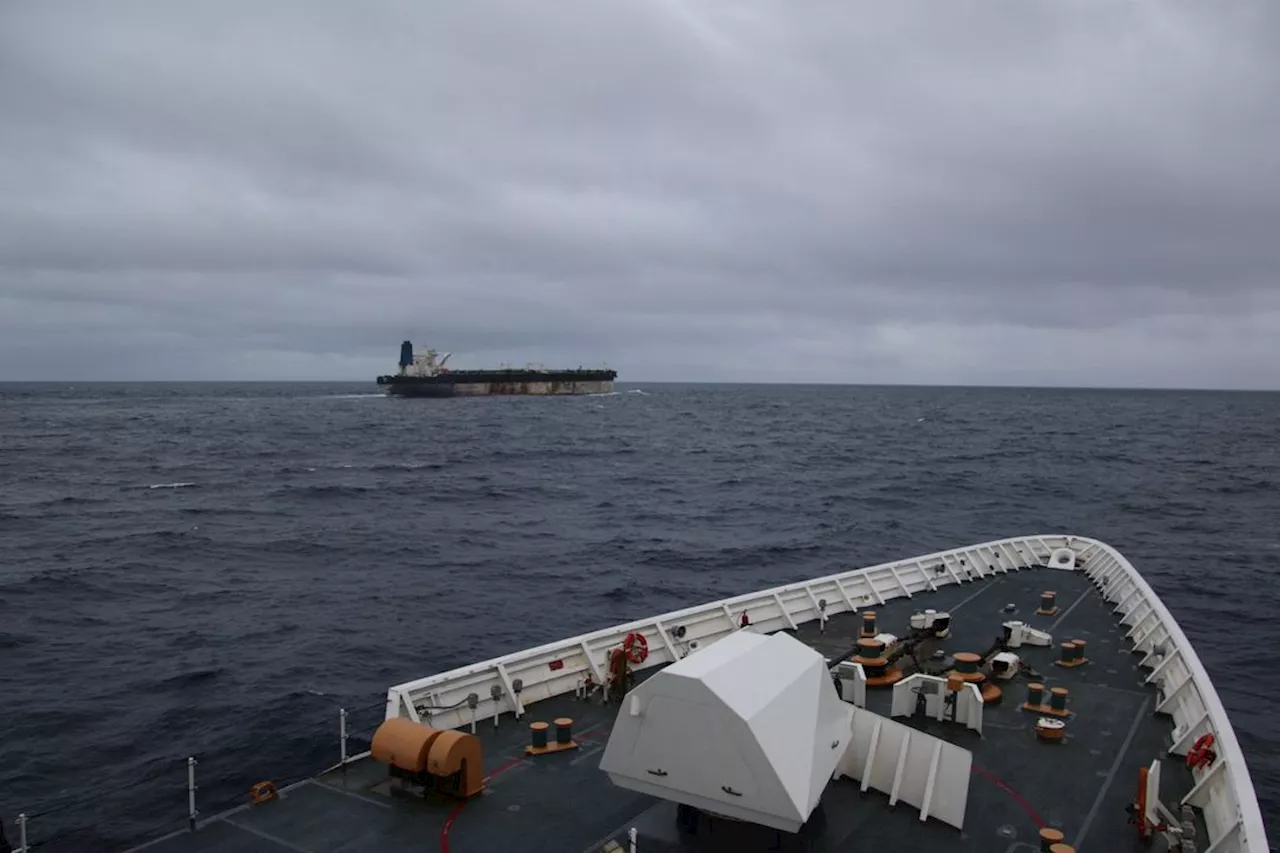
Iran’s Revolutionary Guard has seized two oil tankers flagged under third countries, intensifying a high-stakes maritime conflict with the United States and Israel in the critical Strait of Hormuz. The vessels, the Panama-flagged MSC Francesca and Liberia-flagged Epaminondas, were apprehended last week and escorted to Iranian ports amid allegations of maritime violations and links to Israel.
This latest seizure signals a sharp escalation in a geopolitical showdown that began on February 28, when US and Israeli efforts to pressure Iran resulted in Tehran asserting tighter control over the strategic waterway. Iran accuses the tankers of breaching navigation rules and interfering with other vessels in these vital shipping lanes, a move that has disrupted global oil transport and heightened regional instability.
Why Flag States Mask Real Ship Owners
The initial reports identifying seized vessels by their flags highlight a lesser-known yet crucial aspect of global maritime trade: the widespread use of flags of convenience (FOCs). More than 75 percent of the world’s merchant fleet, including most oil tankers, operate under these offshore registries based in countries like Panama, Liberia, and the Marshall Islands.
These open registries provide shipowners with low-cost registrations, relaxed regulations, and enhanced secrecy. Such countries require minimal disclosure of the actual beneficial owners—the individuals or companies who control and profit from the vessels—creating a veil of opacity especially prized in conflicts and sanction environments.
Cost Savings, Legal Shielding, and the Impact on Enforcement
Shipowners opt for flags of convenience to dodge higher costs, strict labor protections, and environmental regulations imposed by traditional maritime nations like the UK or EU states. These flags also facilitate cheaper international crews and lighter inspection regimes.
This system has long been exploited to limit liability after environmental disasters. For example, a massive 1967 oil spill caused by a Liberia-flagged tanker off the UK coast exposed the difficulty for affected nations to hold foreign owners accountable, a problem still relevant today.
Under the United Nations Convention on the Law of the Sea, flag states are responsible for their vessels, but many FOCs lack the enforcement capacity necessary to pursue claims or sanctions. This shields vessel owners from full financial or legal repercussions, giving them a near-impervious status in international waters, especially amid the current tensions.
Sanctions Evasion and “Flag-Hopping” Tactics
The conflict has also spotlighted strategic maneuvers like flag-hopping, where vessels frequently change registrations and names mid-voyage to evade detection, enforcement, or sanctions. The Panama-flagged Bella 1, later renamed Marinera, fled a US naval boarding near Venezuela by switching to a Russian flag during a weeks-long pursuit before US forces finally seized it in the North Atlantic on January 7.
The US describes these tactics as part of “shadow fleets” operated by sanctioned states such as Iran, Venezuela, and Russia, using falsely flagged tankers to covertly transport oil and avoid international sanctions detection.
Immediate Impact and What’s Next
Control over the Strait of Hormuz remains a strategic choke point with global implications. Iran’s aggressive maritime actions threaten to disrupt critical oil shipments, raising energy security concerns that directly impact US interests and international markets.
Meanwhile, the US naval blockade of Iranian ports, imposed on April 13, aims to curb Tehran’s influence but risks further maritime incidents. The persistent opacity caused by flags of convenience poses ongoing challenges for enforcement agencies attempting to hold the actual owners accountable.
Montana and US consumers relying on stable global energy supplies should monitor evolving tensions closely, as any escalation could quickly affect fuel prices and maritime security worldwide.
“The use of flags of convenience in these conflict zones complicates transparency and enforcement, underscoring a critical vulnerability in maritime governance,” a maritime security analyst explained.
With diplomatic and naval confrontations showing no sign of abating, expect further seizures, flag changes, and strategic maneuvering as Tehran and Washington jockey for control over one of the world’s busiest and most vital waterways.
Stay tuned to Montana Insider for ongoing coverage of this developing multinational conflict impacting the global energy chain and maritime law enforcement.