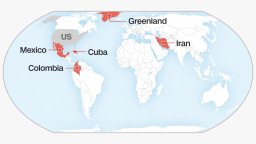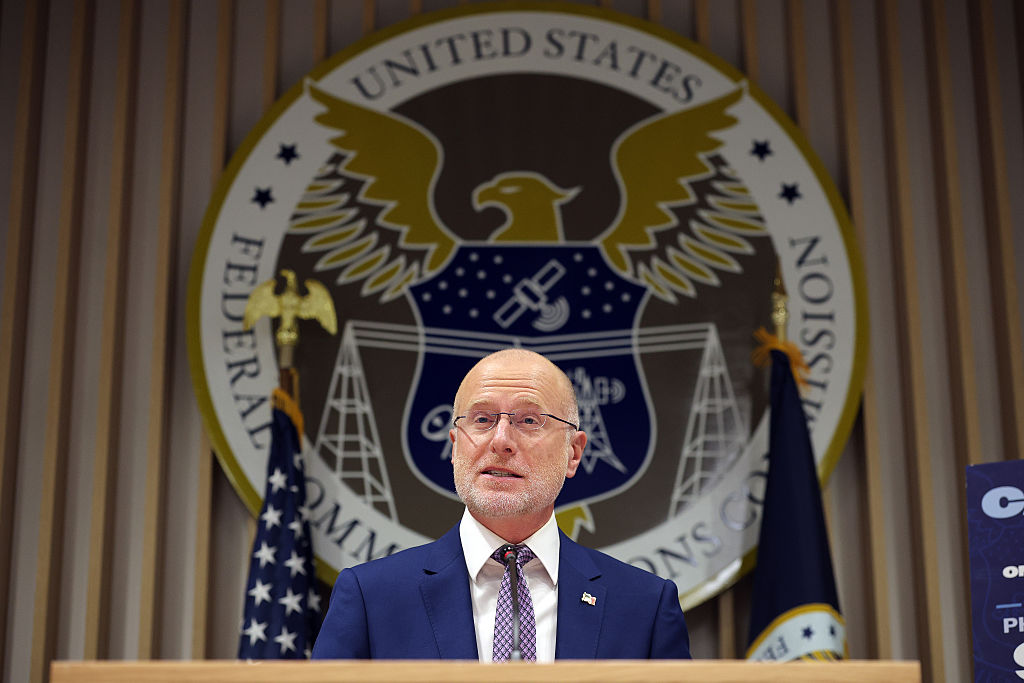
The Federal Communications Commission (FCC) has issued a stern warning to broadcasters regarding their coverage of the ongoing conflict between the United States and Iran. In a statement on March 14, 2026, FCC Chairman Brendan Carr emphasized that news outlets are legally obligated to provide accurate reporting or face potential scrutiny related to their broadcast licenses. This warning follows criticism from former President Donald Trump, who accused major media organizations of misrepresenting the administration’s military actions.
Carr articulated that broadcasters must serve the “public interest” and suggested that inaccurate reporting could jeopardize their licenses during renewal processes. He remarked, “Broadcasters that are running hoaxes and news distortions — also known as fake news — have a chance now to correct course before their license renewals come up.” The stakes are particularly high, as Carr indicated that the law is clear: failure to operate in the public interest could lead to license revocation.
Trump’s comments on social media platform Truth Social intensified the debate, where he labeled the media’s portrayal of the conflict as “wrong” and encouraged Americans to distrust reports from news outlets. His repeated claims of media distortion regarding the effectiveness of U.S. military actions in Iran have raised alarm among press freedom advocates and media analysts. They express concern that such remarks might signal government pressure on media organizations during a time of war.
Concerns Over Media Independence
The timing of this warning coincides with increasing scrutiny of major media companies and their relationships with federal regulators. Tensions surrounding CBS have emerged following reports of internal review processes affecting the airing of segments, such as the “60 Minutes” feature. Additionally, political commentary programs like Stephen Colbert’s late-night show have faced criticism from conservative factions.
Critics argue that the combination of political pressure and regulatory oversight could lead to a chilling effect in journalism, especially as the administration reacts to unfavorable reporting on the war. U.S. Senator Brian Schatz remarked on social media, “This is a clear directive to provide positive war coverage or else licenses may not be renewed. The stakes here are much higher. He’s not talking about late-night shows, he’s talking about how a war is covered.”
Despite these concerns, Carr defended the FCC’s stance, asserting that broadcasters utilizing publicly licensed airwaves have a responsibility to deliver truthful information. This ongoing debate highlights the growing friction between the current administration and prominent news organizations as the situation in Iran develops and questions arise about the nature of war coverage in the United States.
As the conflict continues, the implications of media coverage will likely remain a focal point of discussion among policymakers, journalists, and the public. The FCC’s involvement not only underscores the importance of responsible journalism but also raises critical questions about media freedom in times of national and international crisis.