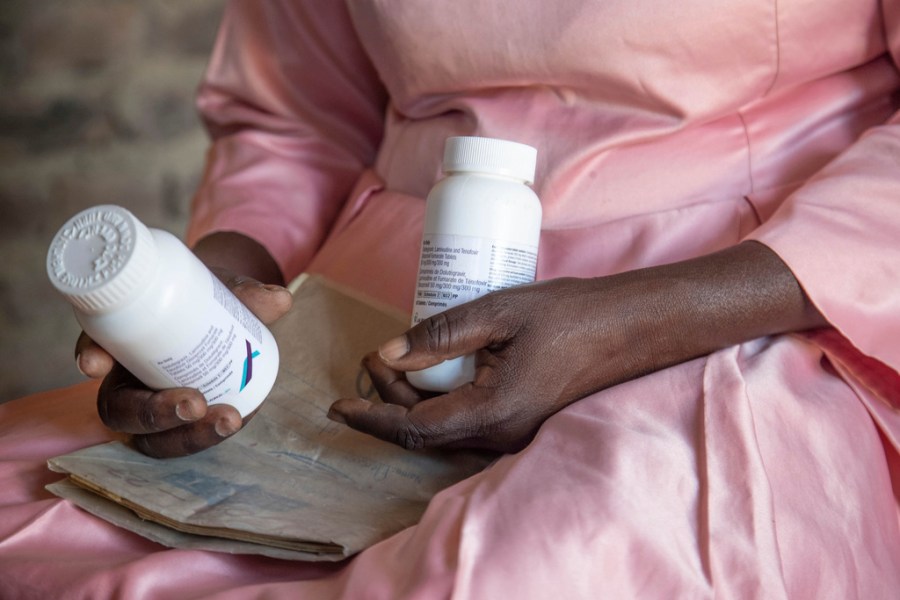
The United States Congress is emphasizing its critical role in ensuring a successful transition of the President’s Emergency Plan for AIDS Relief (PEPFAR) to full partner country ownership. This transition aims to maintain the program’s success in combating HIV/AIDS while empowering local nations to take charge of their health initiatives.
To achieve this goal, Congress insists that the shift must be data-driven and incorporate feedback from civil society partners. This approach is essential to create a strategy that is both ambitious and attainable, allowing PEPFAR to continue its mission to save lives. Since its inception in 2003, PEPFAR has provided over $100 billion in funding to support global HIV/AIDS efforts, showcasing its significant impact on public health.
Data-Driven Strategies for Effective Transition
The call for a data-centric approach comes amid ongoing discussions about the future of global health initiatives. Lawmakers argue that effective monitoring and evaluation are vital to ensure that the transition does not compromise the progress made in reducing HIV infection rates. Congress is advocating for a framework that utilizes comprehensive data analysis to guide decision-making processes.
Civil society partners play a crucial role in this transition. Their insights and experiences can help shape policies that reflect the needs of local communities, ensuring that health services remain accessible and effective. By integrating their feedback, Congress aims to create a more inclusive and responsive health system.
Maintaining Momentum in the Fight Against HIV/AIDS
As the transition progresses, Congress is committed to ensuring that PEPFAR’s goals remain aligned with the global fight against HIV/AIDS. The program has been instrumental in providing antiretroviral treatment to millions and has significantly reduced the number of new infections. According to the most recent data from the Joint United Nations Programme on HIV/AIDS (UNAIDS), approximately 38 million people worldwide are living with HIV, highlighting the ongoing need for robust interventions.
The timeline for the transition is crucial. By 2025, Congress aims to have a fully operational model that empowers partner countries while still benefiting from the support and resources that PEPFAR provides. This ambitious timeline underscores the urgency of maintaining momentum in the fight against the epidemic.
In summary, Congress’s proactive stance on the transition of PEPFAR reflects a commitment to data-driven strategies and collaboration with civil society. As the world continues to grapple with HIV/AIDS, the emphasis on local ownership and accountability stands to enhance the effectiveness of global health initiatives, ultimately saving more lives.