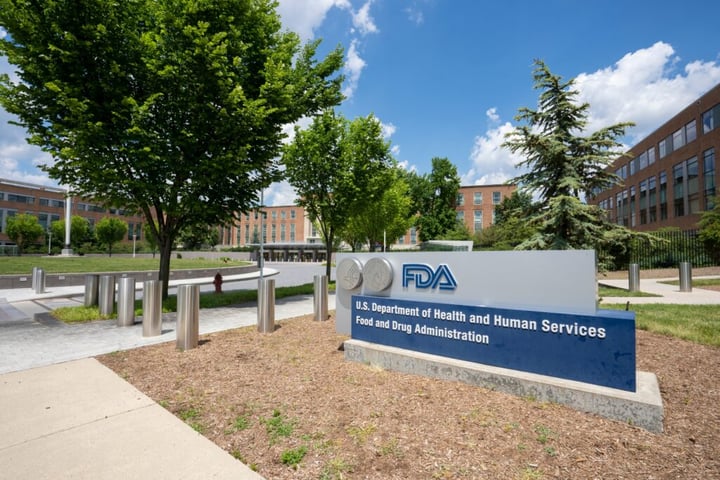
Dr. Vinay Prasad, the head of the U.S. Food and Drug Administration’s (FDA) Center for Biologics Evaluation and Research (CBER), is scheduled to leave his position at the end of April 2026. This announcement was confirmed on Friday by FDA Commissioner Marty Makary, marking a significant transition for the agency overseeing vaccines and biotech drugs.
His departure follows a tenure marked by controversy and internal challenges. Dr. Prasad, who joined the FDA after serving at the University of California, San Francisco, had initially planned to stay for the entirety of his leave from the university. However, the evolving landscape of the FDA and ongoing debates surrounding vaccine regulations prompted his exit, as noted by Makary in a statement to The Wall Street Journal.
Controversial Leadership and Policy Changes
During his time at the FDA, Dr. Prasad’s leadership has sparked considerable debate among his peers and the public. His division is tasked with evaluating a diverse range of treatments, including cancer therapies, gene therapies, and vaccines. Despite his expertise, reports of staff dissatisfaction regarding his management style have surfaced, adding to the challenges he faced in the role.
Prasad’s return to the FDA in August 2025 came after being dismissed for previously advocating for liberal policies. His reinstatement reignited discussions about the agency’s regulatory approach, particularly in light of his outspoken criticism of the biopharmaceutical sector and certain FDA approval processes. This backdrop of controversy has made his leadership a focal point in the ongoing debate about vaccine standards and regulatory practices.
Future Implications for Vaccine Regulation
As Dr. Prasad prepares to leave the agency, the implications of his tenure will likely continue to influence discussions about vaccine safety and efficacy. His tenure included the implementation of new FDA policies aimed at increasing scrutiny of vaccine approvals and addressing industry concerns. These changes have stirred debate within the pharmaceutical industry and among public health advocates, who are closely monitoring the impact of regulatory shifts.
Dr. Prasad’s exit signifies a pivotal moment for the FDA as it navigates the complexities of public health and biopharmaceutical innovation. His departure leaves open questions about the future direction of the agency and its approach to vaccine regulation, particularly in an era where public trust in vaccines is critical.
As the FDA prepares for this transition, stakeholders will be keenly observing how the agency adapts to the evolving landscape of vaccine oversight and public health policy.