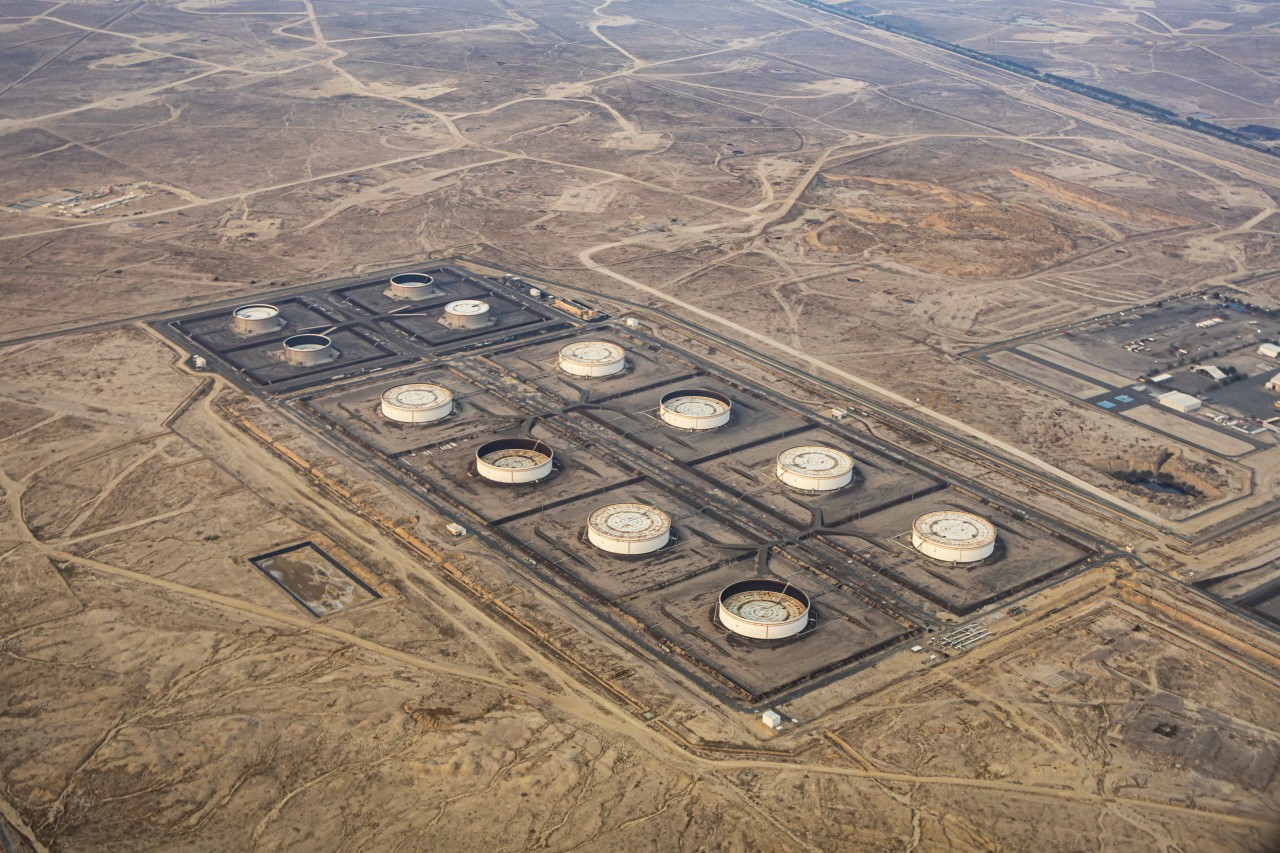
Kuwait has announced a reduction in its oil production as storage facilities reach capacity, raising alarms about a potential crisis in the global oil market. This decision, made public on September 24, 2023, highlights ongoing challenges within the industry, particularly as the demand for oil fluctuates in the wake of economic shifts.
The Kuwaiti government confirmed it will cut its output by approximately 100,000 barrels per day. This measure comes as oil reserves in the country have approached critical levels, with officials warning that continuing production at current rates could lead to operational difficulties. The country, a member of the Organization of the Petroleum Exporting Countries (OPEC), is taking proactive steps to mitigate the risk of oversupply that could impact both domestic and international markets.
Global Implications of Kuwait’s Production Cuts
Kuwait’s decision to lower oil production is significant, given its role as a major oil exporter. The cut could influence global oil prices, which recently hovered around $80 per barrel. As storage fills, concerns grow that other oil-producing nations may soon face similar challenges. Analysts suggest that prolonged production at higher levels without corresponding demand could lead to a broader market imbalance.
The move has triggered discussions among OPEC members about potential collective action to manage output more effectively. OPEC has historically coordinated production levels to stabilize prices, and Kuwait’s cuts may prompt other countries within the organization to reconsider their strategies in light of rising inventory levels.
Economic Impact and Future Outlook
The economic implications of these production cuts extend beyond Kuwait. The global oil market is interconnected, and any significant shift in production can affect economies reliant on oil revenues. For Kuwait, oil accounts for a substantial portion of its GDP—approximately $80 billion—making these decisions critical for national economic stability.
Moving forward, industry experts will be closely monitoring how Kuwait’s actions influence oil prices and the general market sentiment. The situation also raises questions about the future of oil demand, particularly as countries explore alternative energy sources and seek to reduce carbon emissions.
The Kuwaiti government remains committed to navigating these challenges while balancing its economic needs with global market stability. The coming weeks will be crucial as the world watches the effects of this production cut unfold in real-time.