The quest to understand how life emerges from non-living matter has long perplexed scientists. Recent insights from the work of researcher Sara Imari Walker propose new methods to quantify this transition in laboratory settings, potentially shedding light on life’s origins. By focusing on the measurement of molecular complexity, Walker aims to establish a framework that can unify disparate experimental approaches and enhance our understanding of life’s emergence.
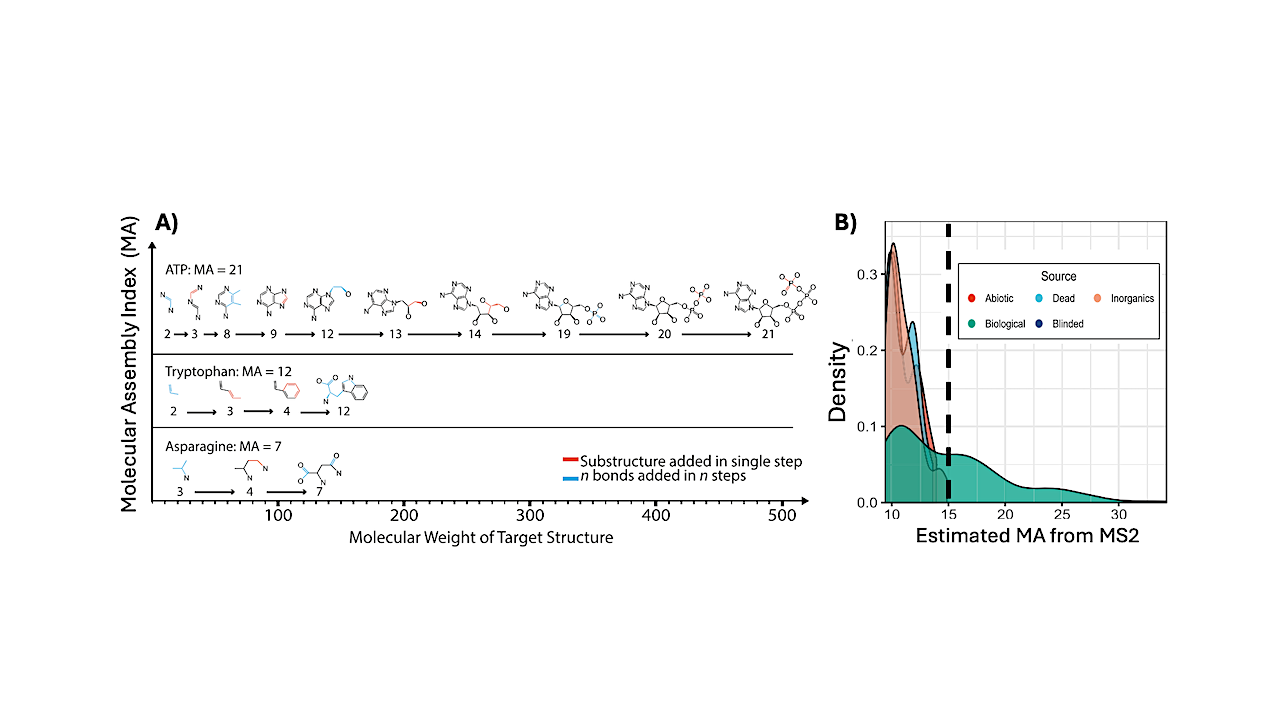
One of the significant challenges in studying the origin of life is the absence of standardized metrics that allow for comparison across different experimental setups and planetary environments. Existing methodologies often struggle to quantify the relationship between selectivity in experiments and the de novo generation of molecular complexity. In a recent essay, Walker reviews the current difficulties faced in this field while suggesting innovative techniques that utilize Molecular Assembly Theory to assess molecular complexity directly.
Bridging Gaps in Origin of Life Research
Walker emphasizes that a metrology-centered approach can provide a structured method for testing hypotheses concerning the major transitions in molecular order that signal the emergence of life. By doing so, it could bridge the longstanding divide between two predominant theories: metabolism-first and genetics-first scenarios. This new perspective could pave the way for more rigorous examinations of how complex biological systems arise from simpler chemical processes.
The implications of grounding the study of life’s origins in measurable complexity extend beyond academic inquiry. They could significantly assist in the search for extraterrestrial life. As scientists explore diverse planetary contexts, developing standardized measurements of molecular complexity could facilitate theory-driven efforts to detect biological signatures in environments beyond Earth.
Future Directions in Astrobiology
Walker’s work highlights an exciting frontier for astrobiology and the scientific community’s understanding of life’s origins. While many questions remain unanswered, the emphasis on measurable complexity offers a promising pathway for future research. As the field evolves, integrating these new methodologies could unify various approaches and enhance the overall understanding of how matter transforms into life.
The study was submitted to arXiv on February 20, 2026, and can be accessed through their platform for further details. As researchers continue to navigate this complex terrain, the potential for groundbreaking discoveries remains vast.