NASA has initiated significant changes in its human spaceflight leadership following a troubling report regarding the first crewed flight of Boeing’s Starliner. Announced on February 26, 2025, the agency appointed Joel Montalbano as acting associate administrator for the Space Operations Mission Directorate (SOMD) and Dana Hutcherson as acting program manager of the Commercial Crew Program (CCP). Both appointments take effect immediately.
Jared Isaacman, NASA Administrator, expressed confidence in the new leadership, stating, “Strong leadership is essential to advancing NASA’s mission, and Joel Montalbano and Dana Hutcherson are exceptionally well-qualified to serve in these acting roles.” He emphasized their experience and commitment as critical in fulfilling the goals set forth in the president’s National Space Policy and maintaining American leadership in low Earth orbit.
Leadership Changes in Response to Starliner Challenges
These leadership changes follow a report that highlighted significant issues with the Starliner’s Crew Flight Test (CFT), which took place in June 2024. The report classified the flight as a “Type A mishap,” a severe designation that also applies to the tragic space shuttle Challenger and Columbia incidents. According to Isaacman, the decision-making surrounding the flight was influenced by concerns over the Starliner program’s reputation, allowing programmatic advocacy to overshadow safety considerations.
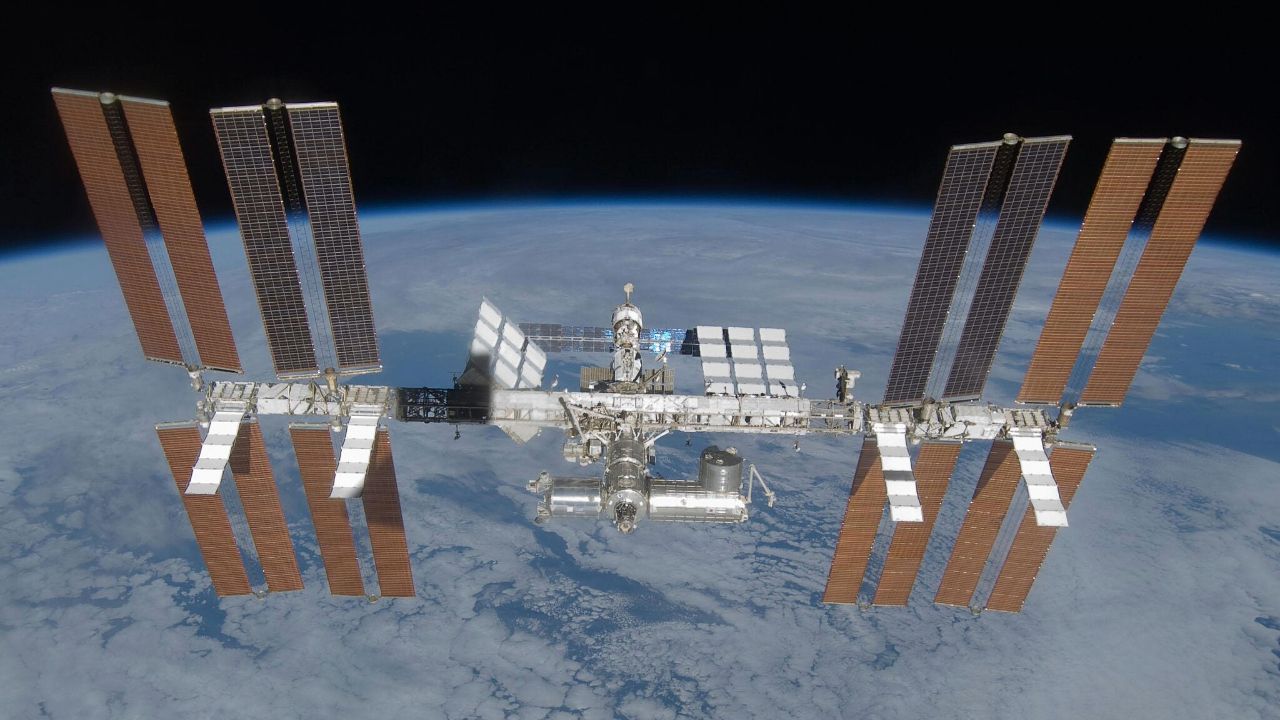
Montalbano replaces Ken Bowersox, who is retiring from NASA effective March 6, 2025. The SOMD oversees various programs, including the CCP and the International Space Station (ISS) Program, as well as the Commercial Low Earth Orbit Program, which is focused on developing private successors to the ISS.
Hutcherson takes over from Steve Stich, who will transition to an advisory role within the Human Landing System (HLS) Program, which is collaborating with SpaceX and Blue Origin to develop crewed lunar landers for the Artemis program. SpaceX has already been ferrying NASA astronauts to and from the ISS since May 2020, while Boeing’s Starliner faced considerable challenges during its test flight.
Implications for Future Space Missions
The CFT encountered multiple technical difficulties, including thruster failures. As a result, NASA opted to return the capsule uncrewed, a decision made in September 2024. The two astronauts aboard, Suni Williams and Butch Wilmore, ended up remaining on the ISS for nine months instead of the planned ten days. They were eventually returned to Earth aboard a Crew Dragon capsule in March 2025.
The recent staffing changes signal a shift towards prioritizing safety and accountability in NASA’s programs. While the announcement did not explicitly reference the CFT or the associated report, the timing suggests that the agency is responding to the criticisms outlined in Isaacman’s remarks regarding leadership accountability.
Both Montalbano and Hutcherson bring extensive experience to their new roles. Montalbano has served as a NASA flight director and program manager of the ISS, while Hutcherson has held various leadership positions within the CCP, including deputy manager of the Systems Engineering and Integration Office. Both have received multiple awards for their leadership contributions at NASA.
As NASA moves forward, the focus will be on ensuring that safety and accountability take precedence in all aspects of its human spaceflight initiatives, particularly as the agency prepares for future missions under the Artemis program.