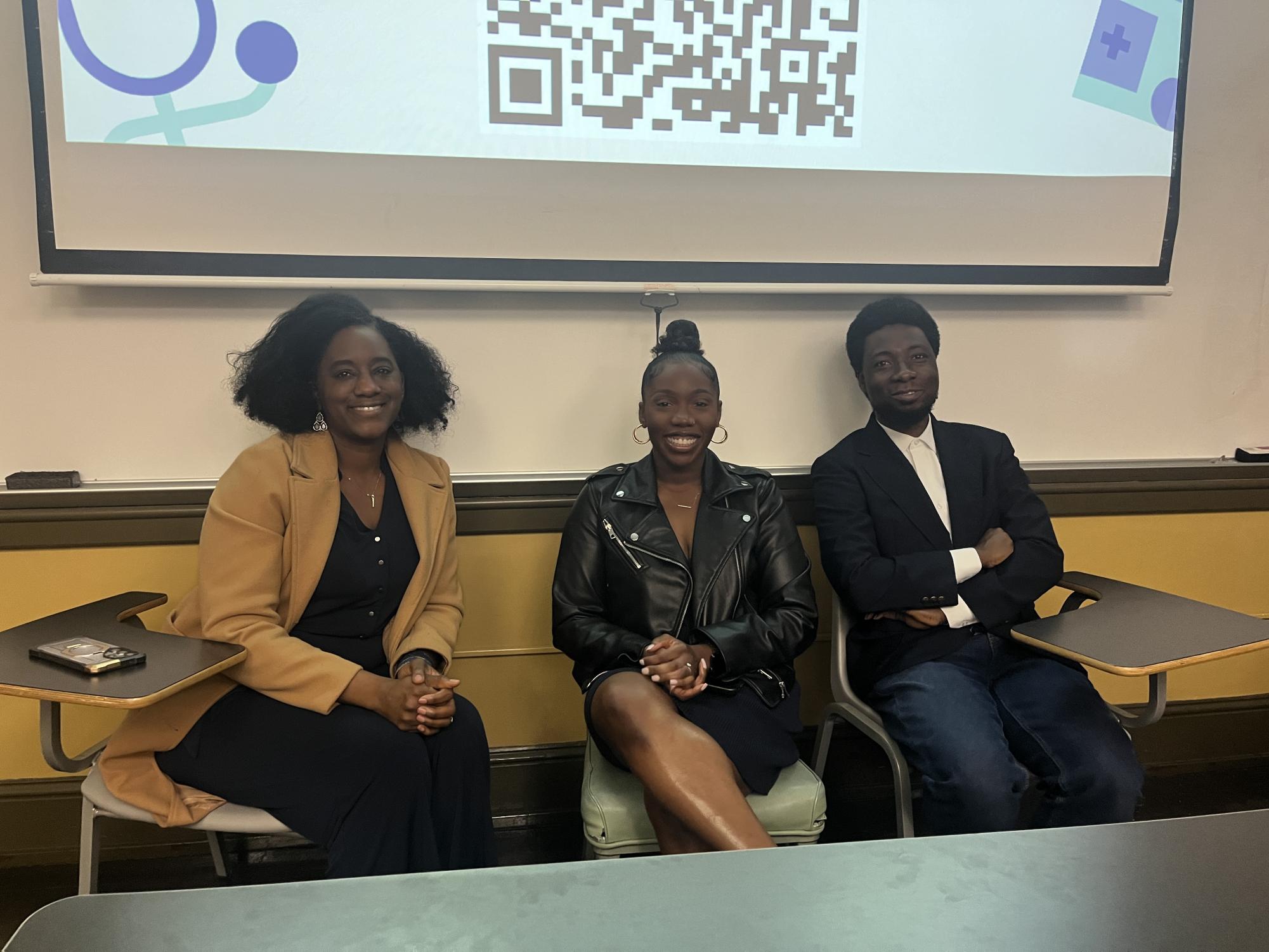
The Louisiana State University (LSU) chapter of the National Council of Negro Women (NCNW), in partnership with Black Girls Vote and Black Men in Medicine, hosted a significant panel discussion on March 5, 2024. The event focused on the pressing issues surrounding Black women’s health and the systemic discrimination they frequently encounter within the medical system.
Three panelists shared their personal experiences and insights regarding the challenges faced by Black women in accessing adequate health care. One of the speakers, Latoya T. Paul, a professor of biology at LSU, recounted several distressing instances of medical discrimination throughout her five pregnancies. She described a particularly alarming experience when she sought emergency care for high blood pressure during her most recent pregnancy. Despite her serious concerns, she was left waiting for five hours before a doctor finally reviewed her bloodwork. The doctor’s dismissive attitude suggested that he assumed her concerns were not legitimate, implying that she was merely seeking drugs.
“It dawned on me that they didn’t care anything about me because they thought I was someone there looking for drugs,” Paul stated. This incident exemplifies the stereotypes that often lead to inadequate medical treatment for Black women, especially during pregnancy.
Paul also reflected on a prior experience ten years ago when she displayed symptoms of an iron deficiency. Despite reporting severe issues such as insomnia and significant weight loss, her concerns were initially dismissed by doctors who claimed her iron levels were normal. After seeking care at a different hospital, she discovered that her iron was critically low.
“The one thing I have learned is to be wary of the medical advice given to me by doctors,” Paul explained. “You will be mistreated because of the color of your skin, because of historical biases that are embedded in our country.”
Panelist Ifeyinwa F. Davis, an instructor of Women’s, Gender, and Sexuality Studies and African and African American Studies at LSU, highlighted how the American medical system often undermines the family values it professes to uphold. “Our country praises motherhood, but oftentimes Black mothers aren’t treated with care, respect, or dignity at hospitals,” Davis said. She emphasized that while society portrays motherhood as a beautiful experience, the reality for many Black women is starkly different.
Adding to this discussion, Ibrahim Nurem, an English instructor at LSU, pointed out the financial motivations some medical professionals may have when treating Black patients. “In most cases where they see Black people, they see that as an opportunity to make money,” Nurem remarked, illustrating the intersection of race and economics in healthcare.
The panel aimed to educate Black students about these discriminatory practices, enabling them to recognize and advocate for better treatment. Jiselle Piper, the NCNW’s membership coordinator and one of the event organizers, emphasized the importance of raising awareness about these issues. “We want to create initiatives to ensure that not only Black women but Black people overall receive the support and the necessary and proper care they deserve,” Piper stated.
As conversations around health disparities continue to gain traction, events like this panel serve as crucial platforms for addressing the systemic issues that affect Black women’s health. The discussions held at LSU highlight the urgent need for reform and the active role that communities can take in advocating for equity in healthcare.