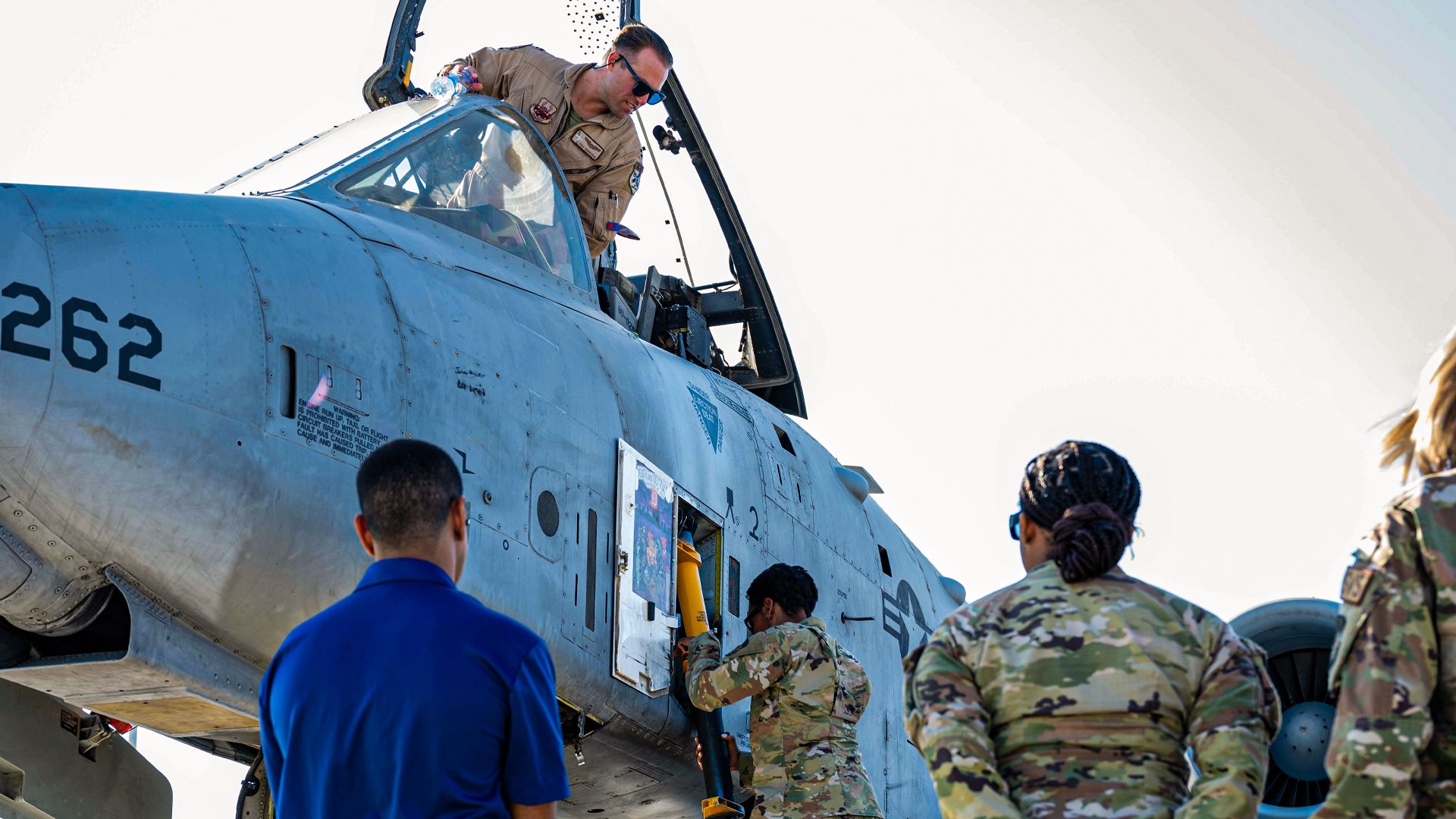
The salary structure for pilots in the US Air Force reveals a pathway to competitive earnings, particularly when considering additional benefits. While the base pay may seem modest, many career officers can earn over six figures within their first decade of service. A combination of regular promotions, benefits, and incentives makes a military aviation career financially appealing, though it does not match the earnings potential of commercial pilots.
In 2026, total compensation for fighter pilots varies significantly based on rank and experience. Entry-level officers, such as Second Lieutenants, can expect salaries around $49,800 annually, while more experienced personnel, like Captains with four years of service, earn approximately $88,560 per year. This base pay is supplemented by additional monthly compensation that increases with experience, starting at $150 and reaching as high as $1,000 for senior roles.
Incentives and Benefits Enhance Earnings
The US Air Force also provides substantial benefits that are often overlooked in civilian roles. Full medical coverage for pilots and their families is offered at no cost, alongside additional, non-taxed compensation for housing and food. Depending on location and family status, housing allowances can range from $1,800 to over $3,000 monthly, contributing to a higher take-home pay compared to many civilian jobs.
To address the ongoing pilot shortage, the Air Force has implemented significant retention bonuses. Pilots who commit to extended service can earn up to $600,000 over a twelve-year period. This translates to an annual bonus of $15,000 to $50,000, enhancing overall compensation substantially.
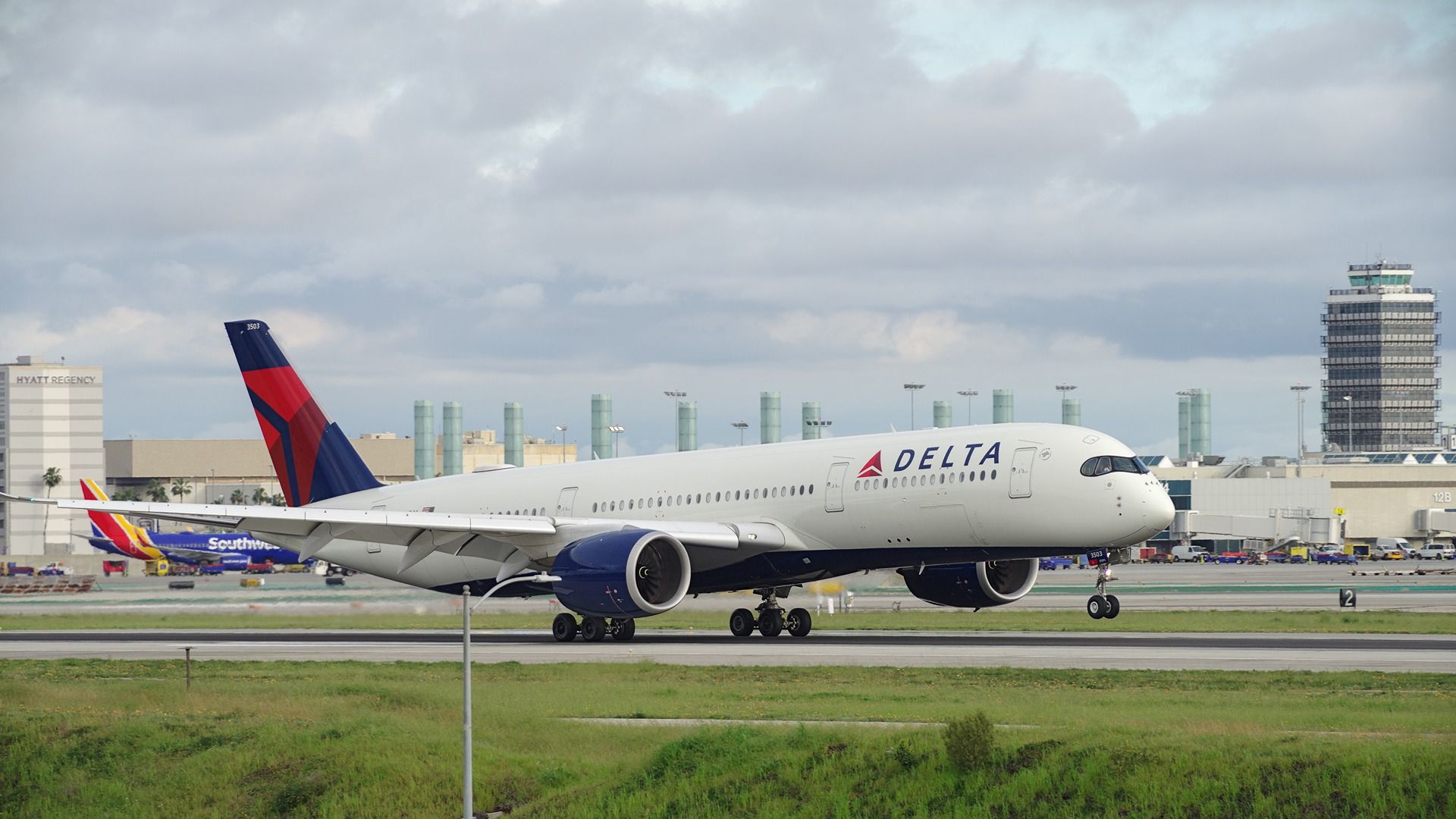
While military salaries are competitive, they still fall short of the potential earnings in the commercial aviation sector. Major airlines, especially legacy carriers like Delta Air Lines, provide higher pay scales based on hourly flight rates. Senior captains at these airlines can earn over $450 per hour, with top-tier pilots flying international widebody routes potentially exceeding $550,000 annually before bonuses.
Career Progression and Transition Opportunities
The military career path for pilots is structured and predictable, governed by established promotion timelines. For instance, a promotion from Second Lieutenant (O-1) to First Lieutenant (O-2) occurs after 24 months of service, followed by a promotion to Captain (O-3) at the four-year mark. All promotions up to the rank of Major (O-4) are automatic, while advancement to senior ranks requires competitive selection.
Many military pilots find their skills highly transferable to civilian aviation roles. The Federal Aviation Administration (FAA) recognizes military training as equivalent to civilian requirements, allowing experienced pilots to transition smoothly into commercial roles without extensive additional training. Programs like Southwest Airlines’ Destination 225 specifically recruit military veterans, while the Department of Defense’s SkillBridge program offers training opportunities during the last months of military service.
While military training is world-class and free, the lifestyle demands can be significant. Pilots are subject to frequent relocations and deployments lasting six to twelve months, often requiring sacrifices in personal life. This contrasts sharply with civilian airline work, where pilots have the flexibility to remain in their positions for as long as they choose.
As the aviation landscape continues to evolve, understanding the financial and lifestyle implications of a military career versus a commercial one becomes increasingly important for aspiring pilots.