URGENT UPDATE: In a significant move for South Dakota’s aviation infrastructure, the Senate Bill 76 has just passed out of committee, paving the way for up to $15 million in state-funded loans for airport construction. This legislation, championed by major cities, aims to bolster the growing demand for air travel in the state and comes on the heels of Governor Rhoden’s commitment announced in December 2026.
The unanimous decision from the Senate Commerce and Energy Committee signals strong support for enhancing airport facilities in Rapid City and Sioux Falls. These airports are vital economic engines, collectively generating billions for the state. However, their ambitious expansion projects—$51.5 million for Sioux Falls and a staggering $110 million for Rapid City—require significant state assistance.
“Public infrastructure projects benefit everyone, just like roads and bridges,” said Bill Even, Commissioner of the Governor’s Office of Economic Development. This sentiment reflects the urgency of the situation; as Rapid City has seen a surge of over 100,000 passengers in just two years, now reaching 400,000 annually, the need for expansion is critical.
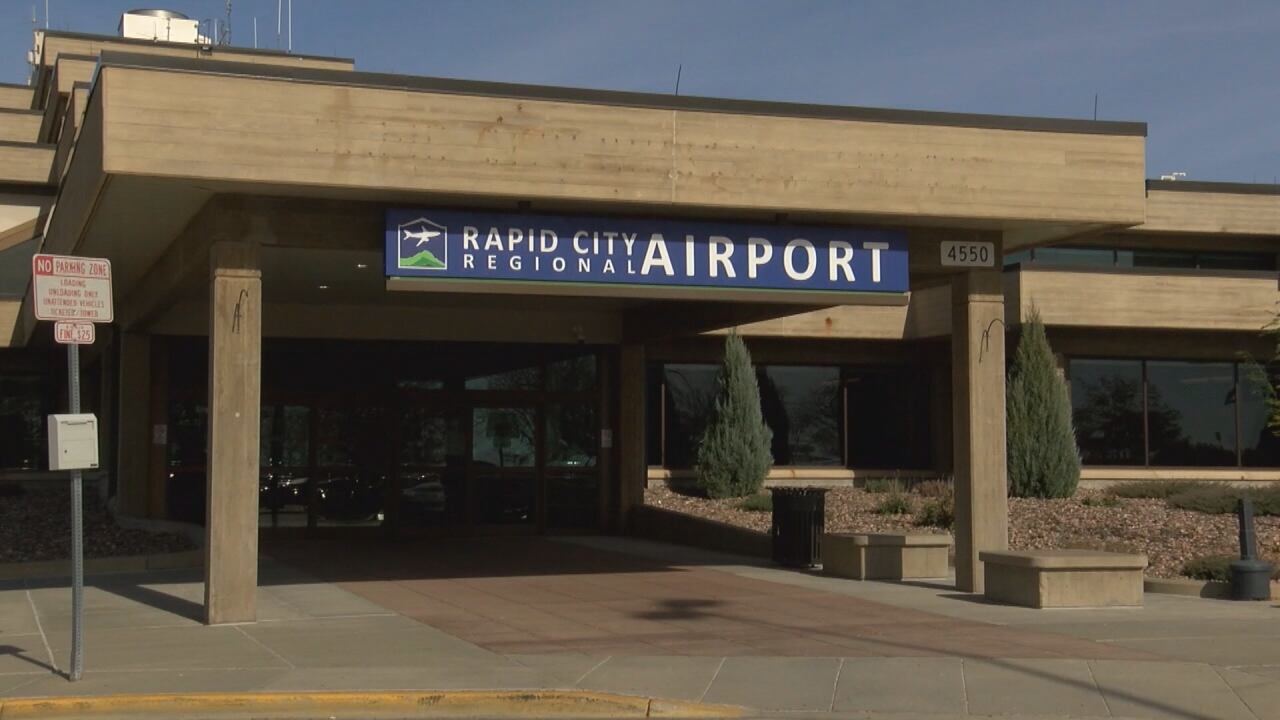
Currently, the Rapid City airport faces a shortfall of $30 million for its second phase of expansion. “It takes a lot of work to get a major project like this off the ground,” emphasized Patrick Dame, Executive Director of the Rapid City Regional Airport. He noted that partnerships are essential for the success of these expansions.
The bill has been adjusted to ensure that the housing infrastructure fund remains intact, addressing previous concerns from stakeholders like Julie Johnson, a lobbyist for Homes for South Dakota. Now, the housing fund will retain the earnings while still allowing airports to access necessary loans, which will be repaid at zero percent interest over a twenty-year period.
Only airports in metropolitan areas with populations exceeding 125,000 will qualify for the funding, meaning smaller airports like those in Pierre and Watertown will not benefit. The funding model allows airports to repay loans through passenger facility charges and parking revenue.
With air travel becoming increasingly essential—especially for residents of isolated areas like Rapid City—this bill arrives at a crucial moment. As confirmed by Garth Wadsworth of Elevate Rapid City, flying is often the most efficient means of travel for many locals.
As this legislation moves closer to becoming law, stakeholders and residents alike are watching closely. The impact on South Dakota’s economy and connectivity could be profound, making this a hot topic for discussion and sharing across social media. Stay tuned for further updates as the situation develops.