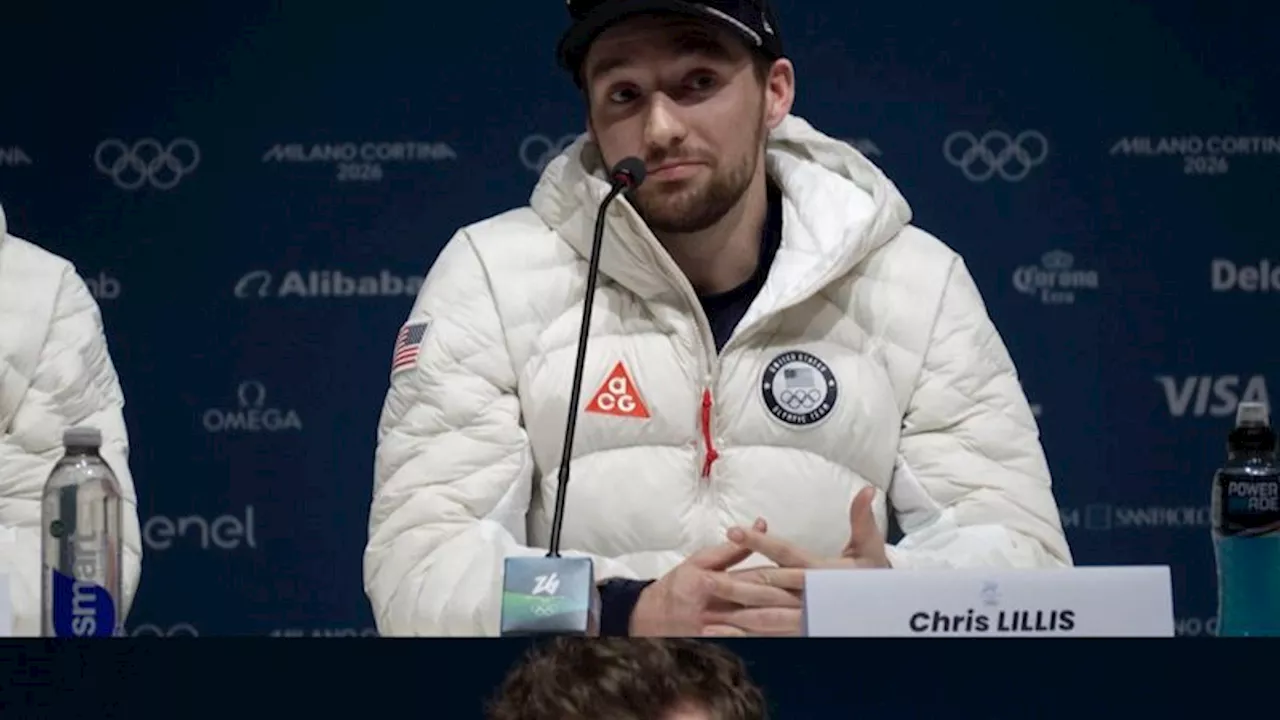
As the 2026 Winter Olympics approach, a group of Team USA freestyle skiers has voiced their complex feelings about representing the United States during a recent press conference in Milan. The athletes expressed a blend of pride and apprehension, reflecting on the political climate and the implications of their participation in the Games set to commence with the Opening Ceremony on February 6, 2026.
The skiers highlighted the challenges of being part of a team that is often seen as a reflection of national identity. “It’s an honor to represent my country, but with everything going on, it’s hard to feel completely comfortable,” one athlete said. The sentiment resonated with others who expressed a desire for unity and positivity in the face of adversity.
In addition to the athletes’ concerns, the Winter Olympics are taking place against a backdrop of significant political tension in the U.S. A recent incident involved President Donald Trump, who faced backlash for sharing a racially charged video featuring former President Barack Obama and former First Lady Michelle Obama. This incident has sparked discussions about the broader implications of representation and identity within the context of international sports.
The upcoming Olympics will also see the participation of athletes from Greenland, including siblings Ukaleq and Sondre Slettemark, who are competing with the Danish Olympic Team in biathlon. Their involvement serves as a poignant reminder of the complexities surrounding national representation, especially following Trump’s controversial remarks about acquiring Greenland.
Moreover, the excitement surrounding the Games isn’t limited to the competition. Tate McRae, a Canadian singer, recently faced criticism for her appearance in an NBC advertisement endorsing Team USA, leading to a clarification of her allegiance to Canada on social media. This illustrates the intricate relationships athletes and celebrities navigate as they balance national pride with personal identity.
As the athletes prepare for the Winter Olympics, they are also aware of the implications of their representation. The U.S. government faces scrutiny for its policies, which have affected public sentiment and created protests surrounding the Games. With high-profile attendees such as U.S. Vice President JD Vance and Secretary of State Marco Rubio expected at the Opening Ceremony, the event will undoubtedly be a focal point for discussions about American values and unity.
In conclusion, the mixed emotions expressed by Team USA’s freestyle skiers highlight the complexities of national representation amid political challenges. As the world looks toward the 2026 Winter Olympics, these athletes are not only competing for medals but also navigating the personal and political landscapes that define their experiences.