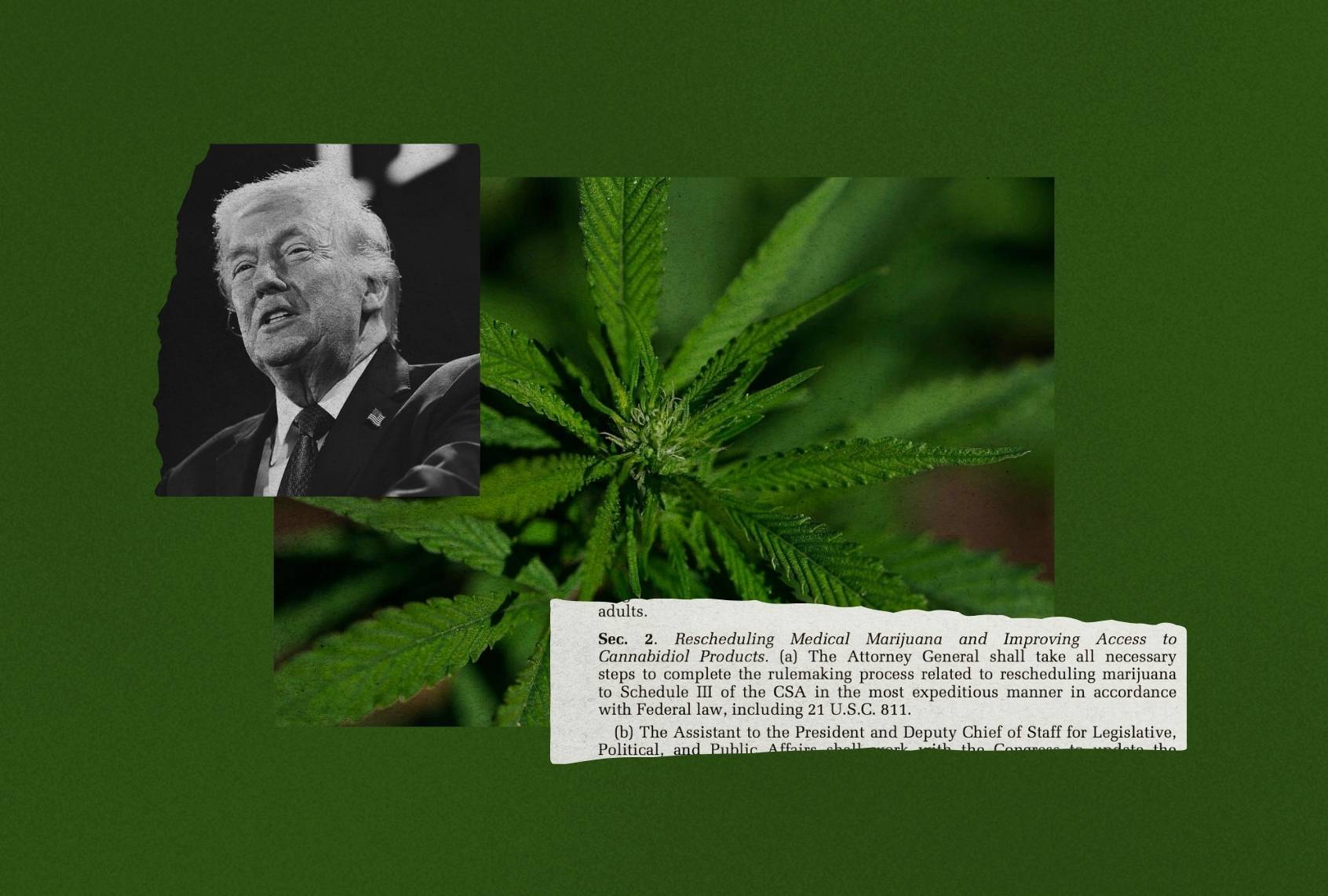
In December, former President Donald Trump instructed the Department of Justice to expedite the rescheduling of cannabis, a decision that could potentially enhance research opportunities and reduce regulatory barriers for businesses. However, recent developments suggest that this initiative may be more of a public relations effort than a genuine policy shift. Critics within the administration and the conservative movement are preparing for a battle, as advocates warn that any meaningful change could take years, if not decades, to materialize.
Under the Controlled Substances Act, created by former President Richard Nixon, drugs are categorized into five schedules based on their potential for harm and medical utility. Currently, cannabis is classified as a Schedule I substance, alongside drugs like heroin and LSD, making it exceedingly difficult and costly to conduct research. This classification also imposes financial restrictions on cannabis businesses, particularly in accessing banking services.
On December 18, 2022, Trump ordered that “The Attorney General shall take all necessary steps to complete the rulemaking process related to rescheduling marijuana to Schedule III of the CSA in the most expeditious manner.” If successful, this would theoretically alleviate many of the regulatory burdens associated with cannabis, which is consumed by nearly 20 million Americans in states that have legalized its use.
However, the phrase “most expeditious manner” does not guarantee swift action. Paul Armentano, deputy director of the National Organization for the Reform of Marijuana Laws (NORML), expressed skepticism about the timeline, estimating that the rescheduling process could take years. He highlighted that previous attempts to reschedule cannabis have been protracted, with the longest petition taking over two decades to resolve.
Since cannabis was criminalized, advocates have argued for its legalization, emphasizing that cannabis-based treatments are often safer and less addictive than alcohol and tobacco, which are not classified under federal law. While 24 states have enacted laws to allow recreational cannabis use, federal regulations remain strict. The current push for rescheduling traces back to October 2022, when former President Joe Biden directed the Department of Health and Human Services to reassess cannabis’s scheduling status.
The lengthy rulemaking process is partly due to its design, which allows for indefinite delays if stakeholders choose to prolong it. Armentano noted, “If parties want to drag this process out, the mechanisms exist within the administrative process that allow them to do so nearly indefinitely.” This creates a scenario where the process can stall for prolonged periods, hampering progress.
Within the administration, there are notable opponents to rescheduling, including Pam Bondi, the Attorney General, who has historically opposed cannabis reform. Bondi previously served as Florida’s Attorney General and was involved in initiatives that characterized cannabis as a gateway drug. This stance is disputed, as research on cannabis’s potential as a gateway drug is limited due to its Schedule I classification.
Congressional Republicans are also actively working to maintain cannabis’s Schedule I status. Senators James Lankford from Oklahoma and Tedd Budd from North Carolina attempted to include provisions in a 2026 funding bill that would prevent the executive branch from rescheduling cannabis, illustrating the political divide on this issue.
The legal landscape surrounding cannabis remains complex, with arrests for cannabis-related offenses continuing to dominate drug-related arrests. In 2024, over 200,000 individuals were arrested nationwide for possession, even in states that have legalized its use. This paradox highlights the disconnect between state and federal laws.
For many in the cannabis industry, the focus on rescheduling underscores a regulatory framework that does not accurately reflect the realities of cannabis use or the risks it poses. Corey Coleman, co-founder of Sky High Brands, emphasized the need for descheduling rather than mere rescheduling, stating, “I think it’s a step in the right direction. You know, the biggest fear with Schedule III then is… making it harder for the smaller business operators that actually started this industry.”
In response to inquiries regarding the progress of the rescheduling process, a Justice Department official stated that “DOJ is working to identify the most expeditious means of executing the EO.” As the cannabis debate continues, the outcome of this initiative will have lasting implications for businesses, consumers, and the broader regulatory landscape.