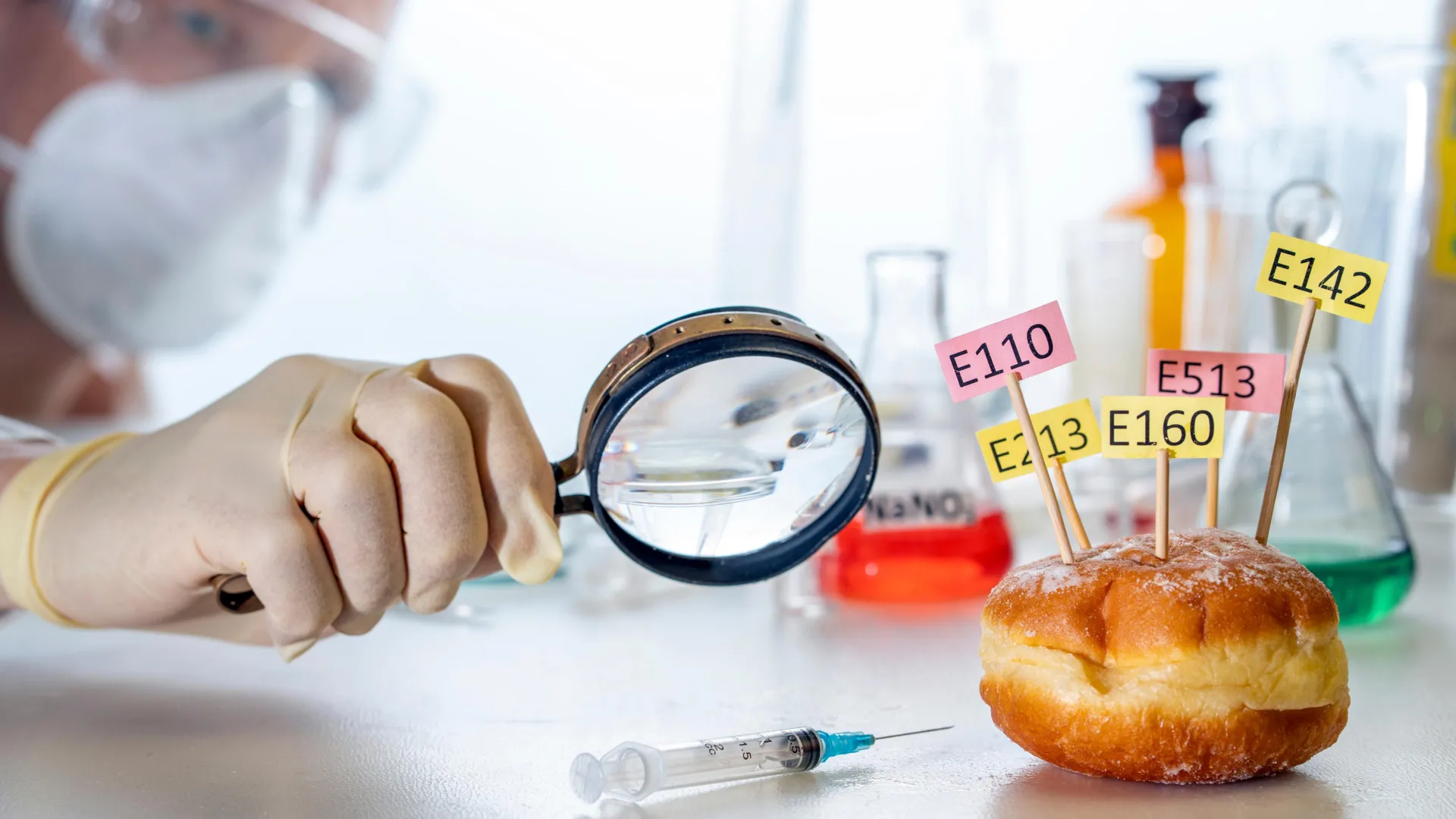
A significant study conducted in France has found a potential link between the consumption of certain food preservatives and an increased risk of cancer. Published on January 27, 2026, by the BMJ Group, this research tracked over 105,000 participants for more than a decade, revealing that some commonly used preservatives in processed foods may be associated with higher cancer incidence.
While many preservatives showed no correlation with cancer risk, several additives—including potassium sorbate, sodium nitrite, potassium nitrate, and sulfites—were linked to an elevated risk of developing various cancers, particularly breast and prostate cancer. The findings raise important questions regarding the safety regulations surrounding food preservatives, suggesting a need for re-evaluation to better protect public health.
Understanding the Study’s Scope
The extensive research involved 105,260 participants aged 15 years and older, with an average age of 42 years, and a majority (79%) being women. All participants were cancer-free at the start of the study and provided detailed dietary records over an average period of 7.5 years. Researchers monitored cancer diagnoses through health questionnaires and official medical records up until December 31, 2023.
The study focused on 17 individual preservatives, including citric acid, lecithins, sodium erythorbate, and potassium metabisulfite. These preservatives were categorized based on their functions, with non-antioxidants primarily inhibiting microbial growth and antioxidants limiting oxidation in food packaging.
Key Findings on Cancer Risk
Throughout the follow-up period, researchers identified 4,226 cancer cases, which included 1,208 cases of breast cancer, 508 of prostate cancer, and 352 of colorectal cancer. Overall, the analysis found no significant link between all preservatives combined and cancer risk. Notably, 11 out of the 17 preservatives studied did not show any association with cancer incidence.
However, specific preservatives were linked to increased cancer risks. For instance, higher intake of potassium sorbate was associated with a 14% higher risk of overall cancer and a 26% higher risk of breast cancer. Additionally, total sulfites were linked to a 12% increase in overall cancer risk. Sodium nitrite demonstrated a notable 32% higher risk of prostate cancer, while potassium nitrate was linked to a 13% increased risk of overall cancer and a 22% higher risk of breast cancer.
Researchers highlighted that some preservatives might influence immune function and inflammation, which could contribute to cancer development, although they stress that further investigation is necessary to clarify these mechanisms. As this was an observational study, it cannot definitively establish causation.
Despite these limitations, the findings are significant. The researchers noted that the study’s scale and the detailed dietary data collected contribute to its credibility. They stated, “This study brings new insights for the future re-evaluation of the safety of these food additives by health agencies, considering the balance between benefit and risk for food preservation and cancer.”
Implications for Consumers and Regulatory Actions
The authors of the study encourage food manufacturers to minimize the use of unnecessary preservatives and suggest that consumers opt for freshly prepared, minimally processed foods whenever possible. In a related editorial, American researchers pointed out that while preservatives are beneficial for extending shelf life and reducing food costs, particularly for lower-income populations, their widespread and often unregulated use raises concerns about long-term health impacts.
They propose that the findings from the NutriNet-Santé study could prompt regulators to reassess existing policies regarding food preservatives. Suggested actions include stricter limits on preservative use, clearer labeling requirements, and mandatory disclosure of additive content. The researchers advocate for international monitoring efforts similar to those implemented for trans fatty acids and sodium.
In light of these findings, public health guidelines already emphasize the reduction of processed meat and alcohol consumption, providing actionable steps for individuals as research on the carcinogenic effects of food preservatives evolves. The study serves as a reminder of the importance of ongoing scrutiny regarding food safety practices and the potential health implications of commonly consumed additives.