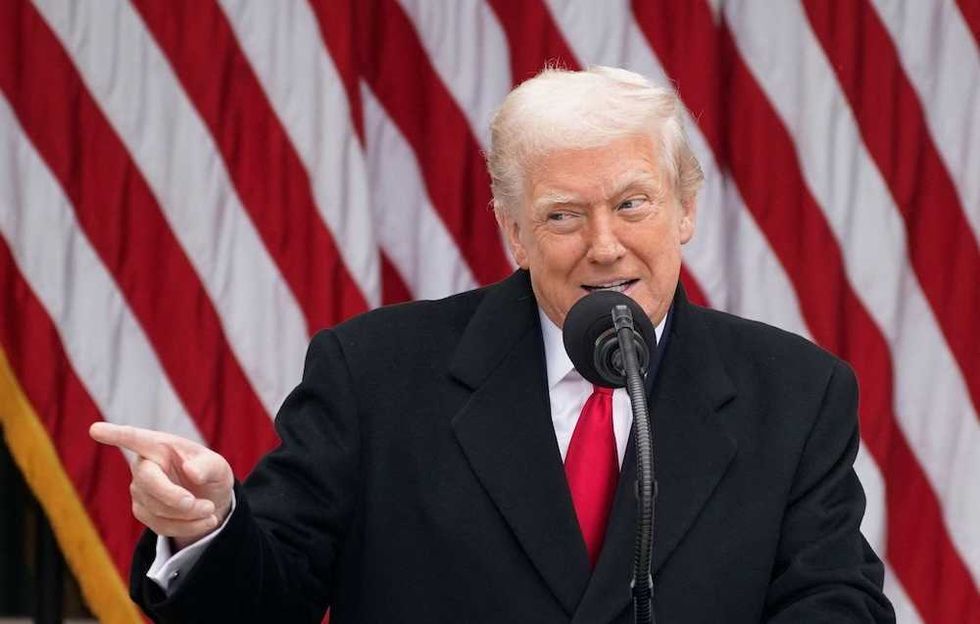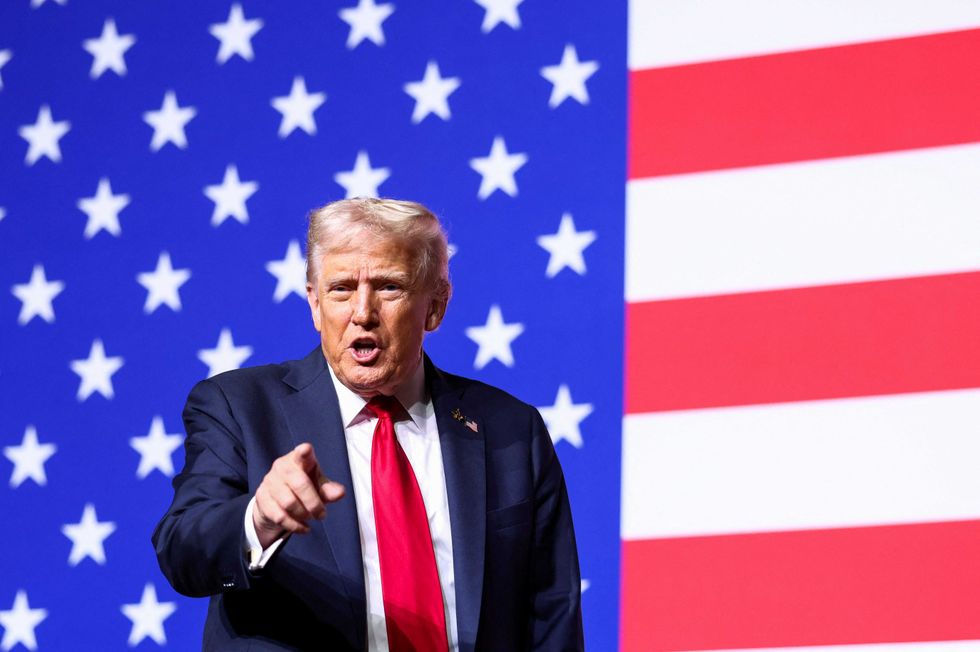
Former Secretary of Transportation Pete Buttigieg has sharply criticized Donald Trump following the release of a letter the former president sent to Norway’s Prime Minister Jonas Gahr Støre. In this letter, Trump stated that the United States would pursue the inclusion of Greenland into its territory, citing national security as the primary motivation. The letter also implied that NATO allies must provide concessions to the US rather than expecting assistance in return.
In his correspondence, Trump expressed his dissatisfaction with Norway, linking it to his failure to receive the Nobel Peace Prize. He stated, “Considering your Country decided not to give me the Nobel Peace Prize for having stopped 8 Wars PLUS, I no longer feel an obligation to think purely of Peace.” He went on to assert that Denmark could not defend Greenland from threats posed by Russia or China, questioning their historical claims to the territory.
Trump’s letter included a controversial assertion regarding NATO, claiming he had done more for the alliance than any other individual since its inception. He stated, “The World is not secure unless we have Complete and Total Control of Greenland.”
Buttigieg responded to Trump’s comments with a video shared on his YouTube channel, urging Americans to resist Trump’s rhetoric and maintain pressure on the Republican Party regarding critical issues like health care subsidies. He described Trump’s message as “unhinged” and compared it to a level of craziness that warranted taking away the car keys.
“This isn’t just crazy and embarrassing, it is dangerous,” Buttigieg remarked. He referenced his experience serving alongside Danish troops in Afghanistan, emphasizing the importance of alliances. “These alliances have kept us safe for generations. Tearing them up makes all of us less safe, here at home,” he added.
Buttigieg’s comments reflect a broader concern about the implications of Trump’s approach to foreign policy and its potential destabilizing effects on international relationships. His call for unity among Americans highlights the divisive nature of current political discourse, urging citizens to remain vigilant about their leaders’ actions and statements.