Mikie Sherrill, New Jersey’s governor-elect, is actively engaging with various communities across the state as she prepares for her historic inauguration on January 20, 2026. Sherrill’s recent appearances include participation in swearing-in ceremonies for newly elected Democratic officials and other positive initiatives, signifying her commitment to fostering connections with New Jersey residents.
One of the notable events Sherrill attended was the Netflix Studios Fort Monmouth Closing Celebration Ceremony, where she joined Governor Phil Murphy, First Lady Tammy Murphy, and Netflix co-CEO Ted Sarandos. The tech giant announced plans to invest $1 billion to transform the former U.S. Army installation into a leading East Coast production hub. This development will feature twelve state-of-the-art soundstages, comprising nearly 500,000 square feet, along with additional facilities for filming and community use.
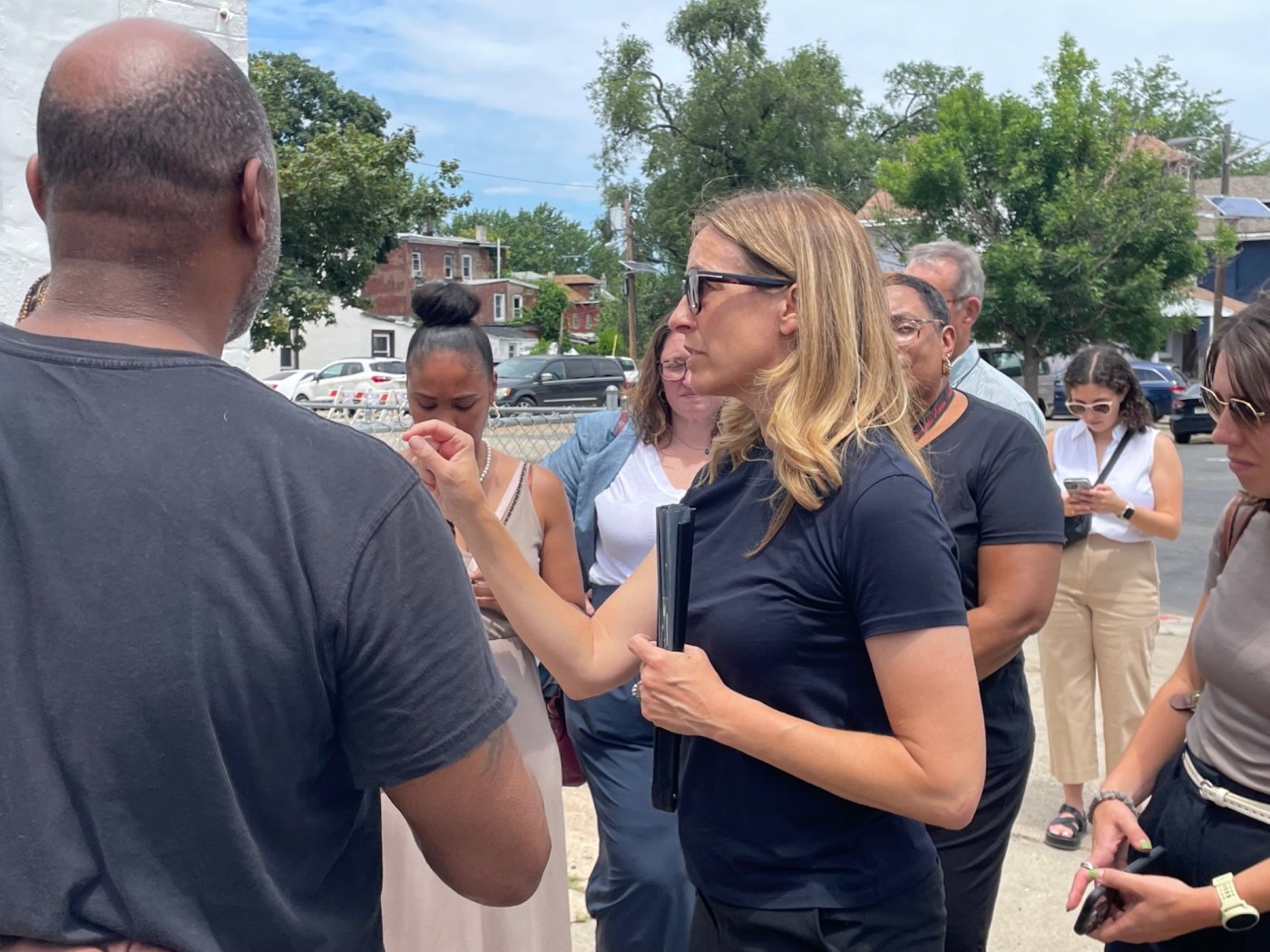
Continuing her outreach, Sherrill embarked on a diner tour across the state, recently stopping at the Metuchen Diner in Middlesex County. During these visits, she engages with residents to discuss pressing issues, including strategies to lower living costs and invest in local communities. Such grassroots interactions are crucial for understanding the diverse needs of New Jerseyans, particularly in urban areas like Trenton.
While Sherrill’s focus on adult taxpayers is essential, there is a growing need for her to connect with younger audiences and their families. A visit to Trenton Central High School could provide a valuable opportunity to discuss education and personal responsibility with parents and students. The challenges faced by urban communities often stem from educational disparities, making it imperative for Sherrill’s administration to foster dialogue on this critical topic.
Education is often regarded as a key solution to many urban issues. For Trenton to thrive, it requires a robust school system that offers successful curricular initiatives and engaging extracurricular activities. Families must take advantage of these educational offerings.
The question remains whether Governor-elect Sherrill and her administration can establish the kind of meaningful conversations necessary for urban audiences. Addressing the concerns of parents of children in pre-kindergarten through third grade could be an effective starting point. Until both leaders and families prioritize education, including vocational training, Trenton may struggle to achieve the positive changes and revitalization it desperately needs.
As Sherrill continues her preparations for taking office, her ability to connect with all segments of the population will be pivotal in shaping her leadership and the future of New Jersey. Engaging in constructive discussions, particularly on education, could lay the groundwork for a more prosperous and inclusive state.