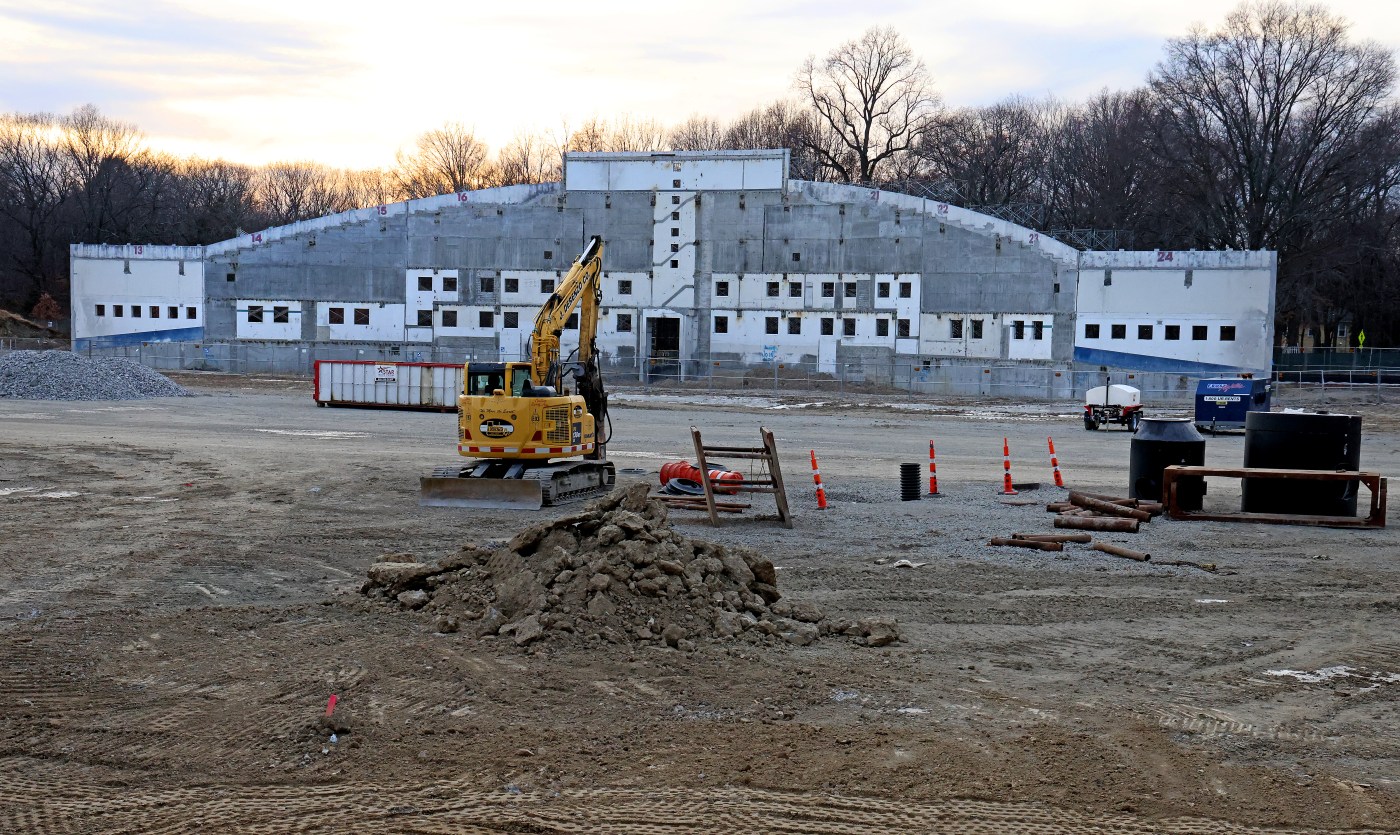
A significant public investment in Boston’s historically disinvested neighborhoods is at risk of repeating past mistakes due to a lack of oversight. The renovation of White Stadium, which is expected to cost between $200 million and $300 million, has sparked concerns among community leaders regarding transparency and equitable development.
The Seaport area of Boston has attracted an estimated $40 billion to $50 billion in public and private investments over the past two decades, transforming it into a bustling hub. In contrast, neighborhoods like Roxbury, home to a largely Black population, have seen little investment until now. The renovation of White Stadium, located in Franklin Park, was anticipated to serve as an economic catalyst for the area. Yet, it is becoming a troubling example of how a major project can progress without adequate oversight.
Advocates for equitable development are drawing parallels to the Massport Model, which has established a respected framework for oversight in Boston. This model is based on clear goals, binding requirements, and independent accountability. When the White Stadium project was first proposed, community members were assured that it would adhere to these principles. Instead, it has advanced without an independent oversight body, minimal requirements for Minority Business Enterprises (MBE) participation, and a general contractor monopolizing major scopes of work.
The historical context of Boston’s infrastructure projects raises alarming questions. The Big Dig, originally projected to cost around $2.5 billion to $2.8 billion, ultimately ballooned to estimates between $14.6 billion and $24.3 billion. Despite its scale, the project yielded minimal benefits for Black-owned businesses, with MBE participation estimates ranging from 1% to 2.5%. The lack of independent oversight and transparency in that case resulted in a failure to create lasting wealth or opportunity for the local community.
Similar concerns are emerging with the White Stadium project. The centralization of oversight within the mayor’s office raises questions about accountability. Community leaders are left asking who, aside from the mayor’s office and the general contractor, is aware of the current cost estimates for the project. This lack of transparency can lead to mismanagement and reinforce existing inequities.
Currently, no independent entity exists to monitor MBE participation, demand transparency in procurement, or ensure that promised community benefits come to fruition. While cities like Los Angeles, Chicago, and Seattle have established oversight boards for similar projects, Boston has yet to adopt such a model for White Stadium. This absence of oversight is not just a procedural gap; it represents a governance failure that can hinder equitable development.
The potential for White Stadium to serve as a transformative project for Roxbury is profound. In contrast to other cities that have successfully integrated stadium projects into broader economic development plans, Boston has yet to disclose any public economic impact studies, environmental analyses, or transparent procurement processes related to White Stadium. Without this foundational information, the project risks falling short of its intended benefits.
Community leaders, including Ed Gaskin, Executive Director of Greater Grove Hall Main Streets, are calling for the establishment of a legally mandated White Stadium Oversight Committee. This committee should include a diverse range of stakeholders, such as community members, elected officials, and subject-matter experts, with the authority to demand documentation and enforce transparency standards.
The committee must ensure binding MBE participation requirements are met and that a clear economic opportunity plan is developed for local businesses. Furthermore, it should guarantee that the benefits of the White Stadium project extend to Boston Public Schools students and the surrounding community, rather than imposing additional burdens on them.
As Boston moves forward with this major public investment, it stands at a critical juncture. The White Stadium renovation could have been a leading example of equitable development in the heart of Boston’s Black community. Instead, it is teetering on the brink of repeating the failures of the past. It is essential for city leaders to recognize that history does not have to dictate future outcomes, provided proactive measures are taken to ensure accountability and transparency in the project’s execution.