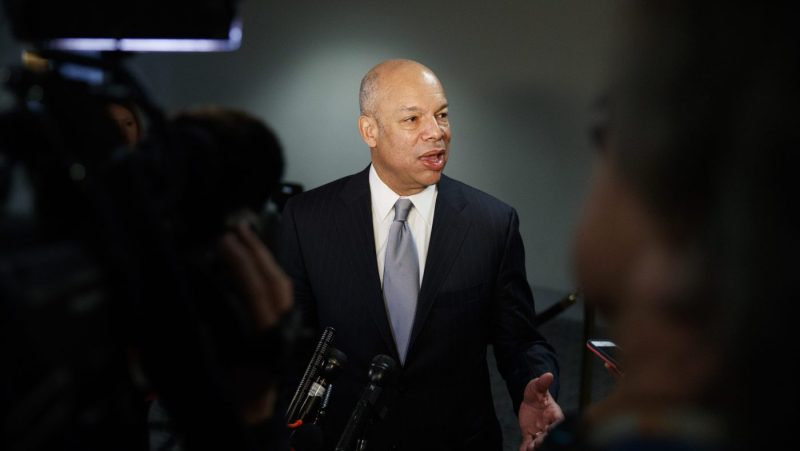
URGENT UPDATE: Growing concerns are surfacing today regarding the recruitment strategies of the U.S. Immigration and Customs Enforcement (ICE), as former Secretary of the Department of Homeland Security (DHS) expresses alarm over the implications of their messaging. The rhetoric urging potential recruits to “Defend your culture” is drawing sharp criticism, with accusations of it being a coded reference to the controversial “great replacement” theory.
In a statement released earlier today, the former DHS Secretary emphasized the troubling nature of this recruitment language, stating, “What does that mean? I think that’s a dog whistle, basically, for ‘Let’s go after the great replacement.’” This stark warning raises significant questions about the values being promoted within one of the nation’s key law enforcement agencies.
The timing of these revelations is critical, as ICE continues to face scrutiny over its practices and policies amid an ongoing national debate about immigration enforcement. The recruitment messaging coincides with heightened tensions surrounding immigration policies, making it imperative for the public to understand the potential ramifications of such rhetoric.
WHAT DOES THIS MEAN? The implications of this recruitment strategy could resonate deeply within communities across the United States. Experts warn that framing the recruitment of ICE agents in cultural defense terms may not only influence the type of individuals who are drawn to the agency but also shape the agency’s future conduct towards immigrant populations. The use of phrases that evoke anxiety about demographic changes raises concerns about bias and the potential for discriminatory practices within the agency.
Observing this situation is crucial for those concerned about civil rights and community safety. The former DHS Secretary’s comments come at a time when ICE’s operational tactics are under intense scrutiny, with advocates calling for more transparency and accountability.
WHAT HAPPENS NEXT? As this story develops, it is essential to monitor ICE’s response to these allegations and any potential adjustments to their recruitment strategies. The agency has not yet commented publicly on the former secretary’s statements. Activists and community leaders are likely to ramp up their advocacy efforts, demanding clearer guidelines on how ICE engages with and recruits individuals to reflect a commitment to justice and equality.
This unfolding situation not only highlights the urgent need for dialogue about immigration policies but also underscores the importance of vigilance within communities that may be directly affected by these recruitment tactics. As public sentiment grows against the backdrop of these revelations, the call for reform in immigration enforcement practices is becoming louder and more urgent.
Stay tuned for more updates as this critical story develops.