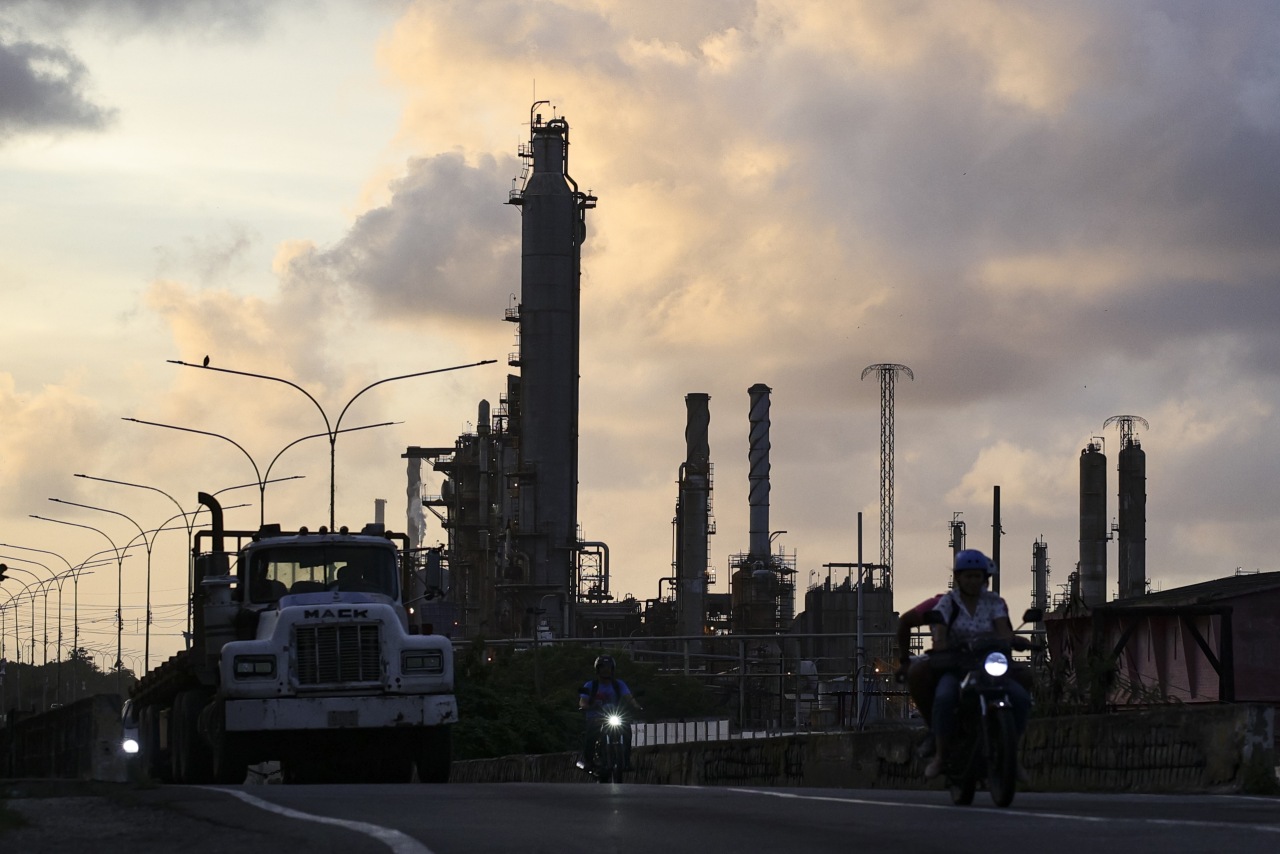
The economic viability of controlling Venezuela’s extensive oil reserves has come under scrutiny as global market dynamics shift. Once considered a strategic asset, Venezuela’s oil now offers only modest and uncertain benefits due to changing geopolitical landscapes and declining production levels.
Venezuela holds some of the largest proven oil reserves in the world, estimated at approximately 303 billion barrels. However, the country’s ongoing political turmoil, alongside sanctions imposed by the United States, has severely hampered its oil production capabilities. Reports indicate that production has plummeted from 3 million barrels per day in the mid-1990s to less than 700,000 barrels per day in 2023.
Market Dynamics and Geopolitical Implications
The landscape of global oil markets has shifted dramatically over the past decade. The Organization of the Petroleum Exporting Countries (OPEC) has maintained a strong influence, but the rise of alternative energy sources and the push for sustainability have altered demand patterns. Countries previously reliant on Venezuelan oil are now diversifying their energy portfolios.
The International Monetary Fund (IMF) forecasts that global oil demand will peak in the next few years, which raises questions regarding the long-term profitability of investing in Venezuela’s oil sector. This decline in demand, coupled with Venezuela’s internal strife, has led many analysts to conclude that the risks associated with controlling Venezuelan oil outweigh potential rewards.
Venezuela’s oil industry has also suffered from a lack of investment. Years of mismanagement and corruption have left the infrastructure in disrepair, making it difficult to ramp up production. Furthermore, foreign companies remain wary of entering the market due to the unpredictable regulatory environment.
Low Risk, Low Reward: The Future of Venezuelan Oil
Investment in Venezuela’s oil sector, once seen as a golden opportunity, is now viewed with caution. The modest returns expected from oil production do not justify the risks involved, particularly given the fluctuating prices in the global market.
As of 2023, oil prices have shown volatility, influenced by geopolitical tensions and economic conditions worldwide. While prices have rebounded from the lows experienced during the pandemic, they remain below levels that would make heavy investment in Venezuela’s oil sector appealing.
Moreover, the economic situation in Venezuela continues to deteriorate, with inflation rates soaring and basic services collapsing. The potential for further sanctions complicates any future investment, creating a climate of uncertainty that deters many investors.
In summary, the controlling of Venezuela’s oil resources presents low risk and low reward in today’s economic climate. The significant challenges faced by the Venezuelan oil industry, compounded by global shifts towards renewable energy, indicate that the era of easy profits from Venezuelan oil may be over. As the world adapts to these changes, the focus may need to shift toward exploring sustainable energy alternatives rather than clinging to the past.