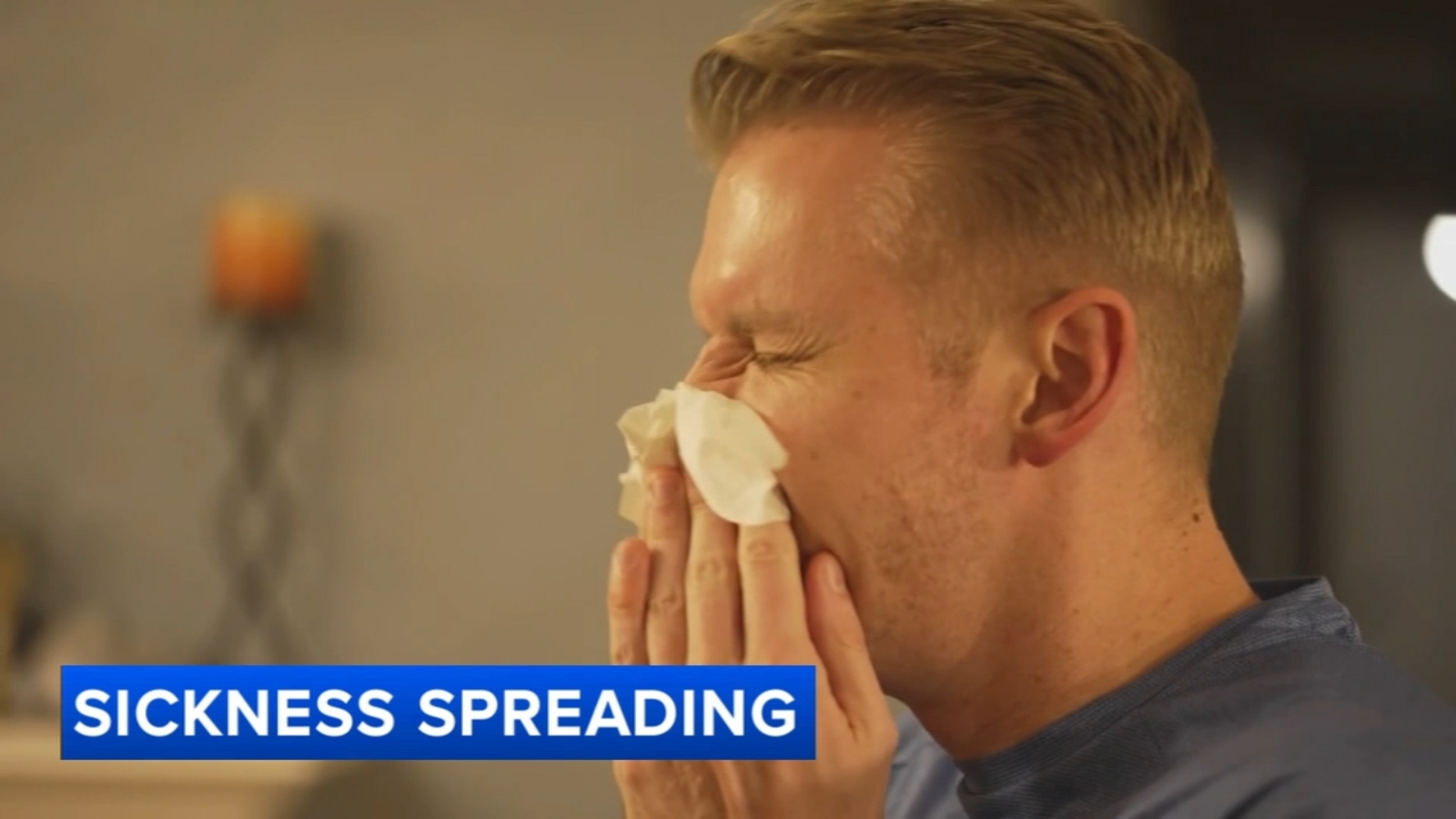
Hospitals in South Jersey are preparing for an increase in respiratory illnesses as flu activity rises across the United States. Medical centers, including those operated by Virtua Health, are reporting a notable uptick in emergency room visits linked to respiratory infections, particularly cases of influenza A. Alongside rising flu numbers, hospitals are also seeing increased cases of COVID-19 and RSV (Respiratory Syncytial Virus).
Dr. Martin Topiel, the chief of infection prevention at Virtua Health, stated, “We’re seeing many emergency room visits related to respiratory infections of all kinds. Certainly, flu is a major part of that.” The surge in cases is not limited to hospitals; many community members are reporting widespread illness in their homes and workplaces.
Alex Schmidt, who works in a nursing home in Cherry Hill, New Jersey, noted, “There’s a lot of people who have been sick lately. A lot of flu.” Schools in the region are also feeling the impact. Amy Fanrak, an employee at an elementary school in Haddonfield, remarked, “It’s really impacted our elementary schools, with people traveling.”
As the cold and flu season reaches its peak, residents are taking precautions to minimize illness. Molly Kaminski, accompanied by her infant daughter Lucy, shared, “We’ve just been trying to stay away from folks, not in any restaurants or anything like that. We’ve also gotten the flu shot.” Schmidt added that he is using preventive measures, stating, “I mask up, take my Vitamin C, try to stay active, because that helps too.”
According to the Centers for Disease Control and Prevention (CDC), New Jersey is among the states experiencing “very high” flu activity. With multiple viruses circulating, differentiating between illnesses based solely on symptoms can be challenging. Many individuals are using combination over-the-counter tests that detect both flu A and flu B, as well as COVID-19.
Dr. Topiel emphasized the reliability of positive results from these tests but cautioned about negative results. “The problem is if the tests are negative, it really doesn’t rule out COVID or influenza,” he explained. “It might mean there’s a low viral level, but it still might cause significant symptoms. Or it may just be we’re hitting it at the wrong time.”
Health professionals advise that anyone exhibiting symptoms that could easily spread to others should stay home. “If you have fever, significant cough, a lot of mucus production, you’re really risking things of transmitting to others,” Dr. Topiel stated. In particular, symptoms such as wheezing, shortness of breath, or chest pain should prompt immediate medical attention. Individuals with a history of heart problems are encouraged to consult their doctor.
As hospitals brace for an influx of respiratory cases, the community is reminded of the importance of preventive health measures and vigilance in recognizing symptoms. This winter season presents challenges, but awareness and preparedness can help mitigate the impact of these respiratory illnesses.