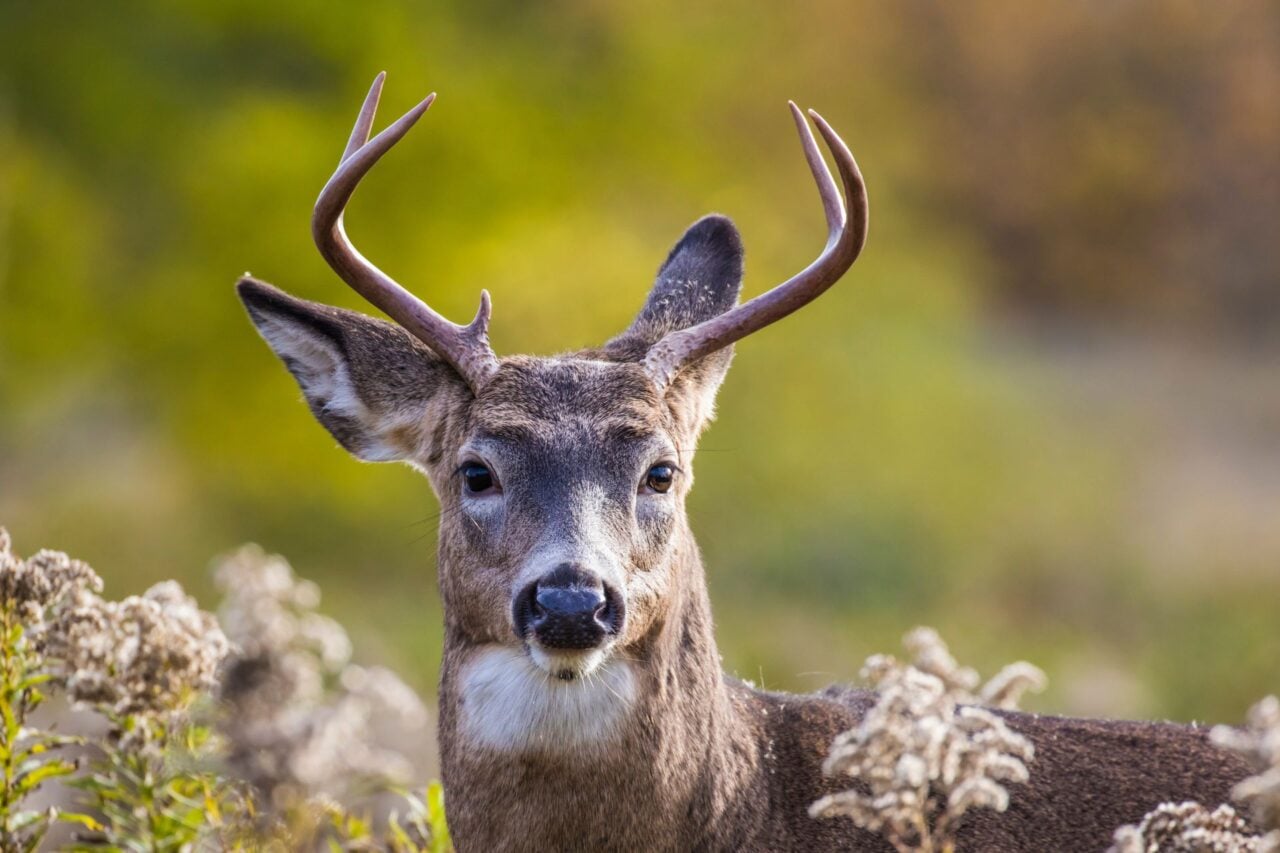
Wildlife officials across North America are raising alarms over the spread of chronic wasting disease (CWD), a deadly brain illness affecting deer populations. Recent reports from Arkansas, Wisconsin, and Manitoba, Canada, indicate new cases of this prion disease, which has a 100% fatality rate among infected animals. As cases increase, concerns grow regarding the ecological impact and potential health risks to humans, particularly hunters.
The Spread of Chronic Wasting Disease
In mid-December 2025, the Arkansas Game and Fish Commission reported three cases of CWD in white-tailed deer, marking the first detection of the disease in Grant and Sevier counties. Previously, the first case in Arkansas was documented in 2016. Meanwhile, the Wisconsin Department of Natural Resources confirmed its first positive CWD test result in La Crosse County. In Manitoba, the presence of CWD is also spreading, with Manitoba Natural Resources and Indigenous Futures reporting five new cases, including two in areas where the disease had not been detected before. The first case in Manitoba was documented in 2021.
CWD is caused by prions, which are misfolded proteins that induce other normal proteins to misfold, leading to severe neurological damage in affected animals. Symptoms in deer include confusion, difficulty walking, and rapid weight loss, often referred to as “wasting.” The disease has been documented in at least 36 U.S. states and four Canadian provinces.
Potential Implications for Humans and Ecosystems
The transmission of CWD poses significant risks, as it can spread through direct contact with infected animals or contaminated bodily fluids, such as saliva. Additionally, prions can persist in the environment through urine and feces, raising the potential for sustained outbreaks in both wild and captive deer populations.
While the risk of CWD transmission to humans remains theoretical, there are concerning connections to other prion diseases. The infamous bovine spongiform encephalopathy, commonly known as mad cow disease, has been linked to cases of Creutzfeldt-Jakob disease (CJD) in humans. In a recent case report, researchers suggested that two hunters who died from CJD may have consumed CWD-infected deer, although no definitive link has been established.
Despite mixed evidence regarding the risk of CWD transmission to humans, wildlife experts stress the need for caution. The implications of widespread CWD could lead to severe ecological consequences, decimating local deer populations and affecting the broader ecosystem. Additionally, the deer farming industry, valued at approximately $7.9 billion, could face significant disruptions.
In response to the growing threat, officials in Wisconsin have extended a ban on baiting and feeding deer in La Crosse County. They advise hunters against consuming deer that are untested or known to have CWD. As the situation develops, ongoing monitoring and preventive measures will be crucial to safeguarding both wildlife and public health.