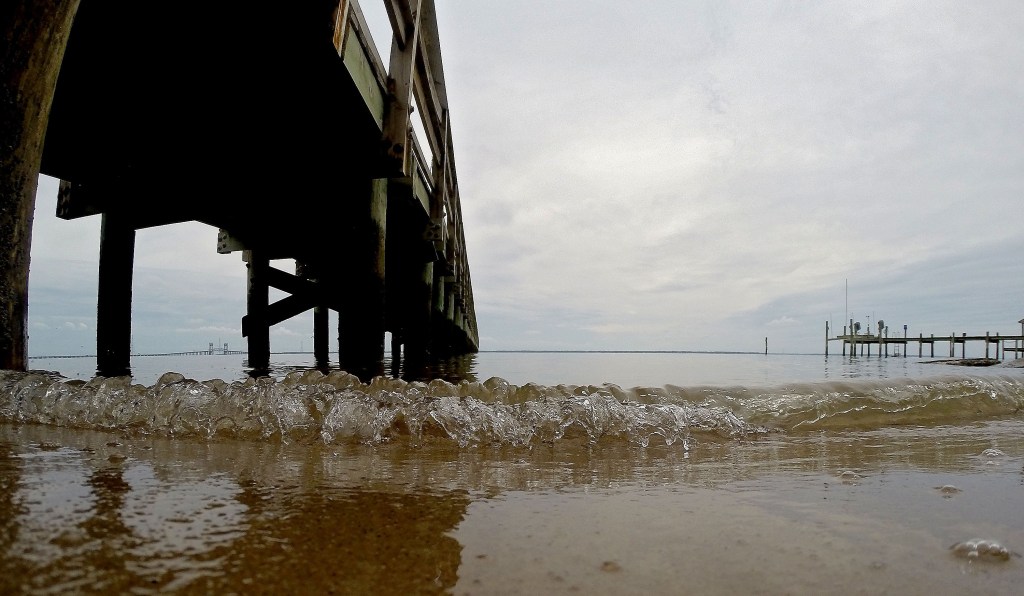
URGENT UPDATE: Today marks the 50th anniversary of the Kepone disaster, a catastrophic environmental event that irrevocably changed the James River and devastated the health of Virginians. On December 17, 1975, then-Governor Mills Godwin announced a ban on all commercial and recreational fishing due to the dangerous levels of Kepone (chlordecone) contaminating the waterway.
The Virginia State Board of Health cited “potential danger to the health and welfare” of citizens, following alarming reports of Kepone’s toxic presence in the river, which flows from Richmond to the Chesapeake Bay. By the time state and federal regulators intervened, between 20,000 to 40,000 pounds of the pesticide had already infiltrated the river. The fallout from this disaster has left a profound legacy in Virginia, influencing environmental policies and community activism.
The manufacturing of Kepone by Allied Chemical Corp. and its subcontractor, Life Science Products, was marred by negligence. Workers were exposed to toxic dust without proper safety measures, leading to severe health issues. Investigations revealed that hazardous waste was dumped into local landfills and sewage systems, contaminating the very water that families relied on.
Today, this event remains a stark reminder of the environmental negligence that can occur when regulatory oversight fails. The impact on local fishing industries was devastating, with losses estimated at $18 to $20 million—equivalent to approximately $80 million today. Local fishermen like J.C. Hudgins of the Virginia Waterman’s Association recall the economic strain the ban imposed on their livelihoods, pushing many watermen to the brink of insolvency.
The disaster also sparked a surge in grassroots environmental advocacy. In 1976, concerned citizens formed the James River Association, which has worked tirelessly to restore the river’s health. Today, they grade the river as a B in their State of the James Report, striving for a future where the James is a source of clean drinking water for all Virginians.
Despite significant improvements, the legacy of Kepone still looms large. The chemical, banned in the U.S. in 1978, continued to be used in the French Caribbean until as recently as the 2000s, leading to ongoing health crises in those communities. Experts warn that vigilance is necessary to prevent similar disasters from occurring.
Looking ahead, the ongoing monitoring and advocacy efforts are critical. The Toxic Substances Control Act of 1976 and amendments to the Clean Water Act emerged directly from the lessons learned during the Kepone crisis. As Virginia grapples with new environmental threats, including pollutants like PCBs and PFAs, the fight for clean water remains urgent.
As we reflect on the Kepone disaster, the human cost is evident. Families and communities continue to deal with the repercussions of environmental negligence, underscoring the importance of vigilant advocacy and effective policy to safeguard public health and ecological integrity. Stay tuned for ongoing updates and developments as Virginia strives to ensure a safer, cleaner future for its waterways.