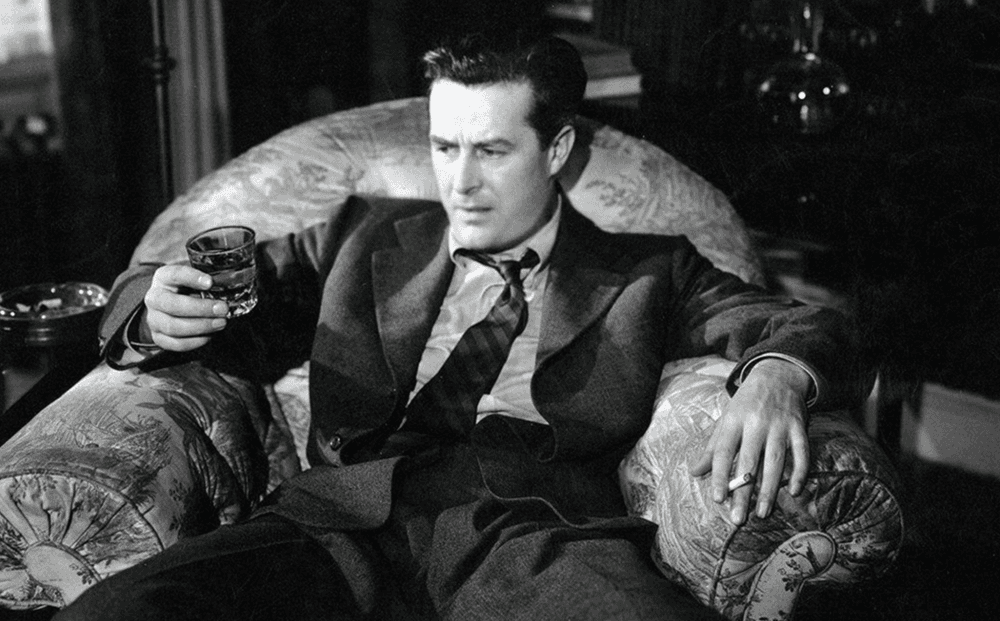
The classic film, The Lost Weekend, directed by Billy Wilder, is now showing at Film Forum in New York City. Originally released in 1945, this cinematic exploration of alcoholism remains relevant, offering a poignant look at the struggles faced by those grappling with addiction.
While the film is celebrated for its artistic craftsmanship, some critics argue that its polished presentation may overshadow the raw human suffering it depicts. The narrative follows the story of Don Birnam, a struggling writer whose battle with alcohol leads him to a weekend of despair and self-destruction.
Many viewers may find the film’s aesthetic appeal at odds with the grim reality of its subject matter. The seamless direction and striking cinematography create a veneer that some feel softens the harsh truths of addiction. This dissonance invites audiences to reflect on the complexities of depicting such a serious issue in a visually engaging format.
Wilder’s work is often praised for its nuanced portrayal of characters, and The Lost Weekend is no exception. The film delves into the psychological turmoil that accompanies addiction, showcasing Birnam’s deteriorating relationships and spiraling emotions. As he navigates his addiction, viewers witness not only his physical decline but also the emotional toll it takes on those around him.
The film’s impact on audiences is underscored by its critical acclaim, winning several awards, including the Academy Award for Best Picture in 1946. Its exploration of alcoholism has left a lasting mark on both cinema and societal perceptions of addiction.
Viewing The Lost Weekend at Film Forum offers a unique opportunity to engage with this important piece of film history. The theatre, known for its commitment to showcasing classic and independent films, provides a fitting backdrop for a story that continues to resonate with contemporary audiences.
As the film screens, discussions surrounding its themes of addiction and recovery are likely to unfold among viewers, highlighting the ongoing relevance of Wilder’s work. This engagement not only honors the film’s legacy but also encourages deeper conversations about the realities of alcoholism today.
In an era where mental health and addiction are increasingly at the forefront of societal discussions, The Lost Weekend serves as a powerful reminder of the struggles many face. As audiences gather to experience this classic, they are invited to reflect on the broader implications of addiction and the importance of compassion and understanding in addressing such a pervasive issue.
Attending this film at Film Forum not only offers a chance to revisit a cinematic classic but also fosters a dialogue about the human condition. As the story of Don Birnam unfolds, viewers may find themselves contemplating their own perceptions of addiction and the narratives that surround it.