Violence surged across Mexico following the death of Nemesio Rubén Oseguera Cervantes, known as El Mencho, the leader of the Jalisco New Generation Cartel (CJNG). He was killed in a military operation on Sunday that involved U.S. military support through the Joint Interagency Task Force-Counter Cartel. Officials confirmed that while the U.S. played a role, it was primarily a Mexican military operation. The killing has since sparked chaos, with cartel members initiating roadblocks and burning vehicles in various states, leading to widespread fear among residents.
The CJNG, founded in 2009, has become notorious for its violent tactics and expansive drug trafficking operations. The U.S. State Department described the cartel as having the “highest cocaine, heroin, and methamphetamine trafficking capacity in Mexico.” Experts note that it has also begun to funnel fentanyl into the United States, compounding the ongoing opioid crisis. David Mora, an analyst from the Crisis Group, remarked on the CJNG’s military capacity and aggressive recruitment, emphasizing its willingness to confront the Mexican government.
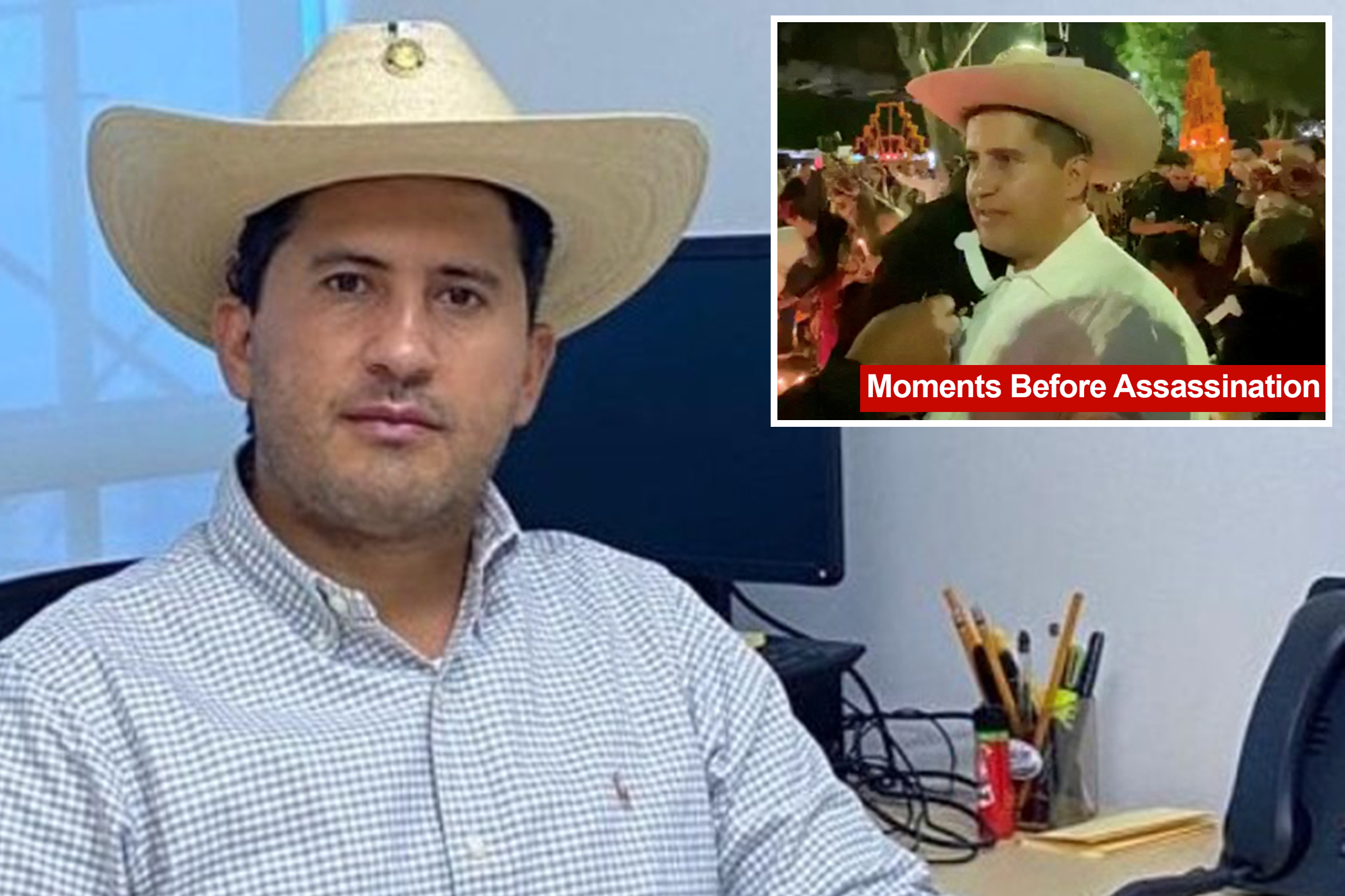
Oseguera’s violent legacy includes a series of high-profile attacks, such as the attempted assassination of Mexico’s former public security secretary, Omar Garcia Harfuch, and the murder of Carlos Manzo, the mayor of Uruapan, who opposed organized crime. These incidents demonstrate the cartel’s extensive reach and its capability for violence. In response to Oseguera’s death, a wave of violence erupted in states like Jalisco, Michoacán, and Puebla, with authorities reporting roadblocks and chaos in tourist areas like Puerto Vallarta.
The U.S. Department of State issued a security alert advising American citizens in affected areas to shelter in place. This widespread unrest reflects the CJNG’s significant influence throughout Mexico. Gerardo Rodriguez, a security analyst, explained that while authorities anticipated some backlash, they did not foresee such a national-scale response. Oseguera was fatally wounded during a clash with military personnel in Tapalpa, Jalisco, and later succumbed to his injuries.
As one of the most prominent drug lords since the capture of Joaquin “El Chapo” Guzmán and Ismael “El Mayo” Zambada, Oseguera’s demise raises questions about the future of the CJNG. The DEA had labeled him a top priority, with former chief of international operations, Mike Vigil, stating that Oseguera was “one of the biggest drug capos in the history of drug trafficking.” His absence may create a power vacuum, potentially leading to violent realignments within the organization.
The CJNG operates in at least 21 of Mexico’s 32 states and has a presence in virtually all U.S. states. As experts have pointed out, the current turbulence within the cartel could allow rivals, particularly the Sinaloa cartel, to gain ground. Despite the internal struggles within the Sinaloa organization, the U.S. has classified the CJNG as a terrorist group, citing its extensive drug trafficking operations across the border.
The future of the CJNG remains uncertain. Without a clear successor, the cartel may face challenges in maintaining its operations. Vigil suggested that this moment presents a significant opportunity for both Mexico and the United States to collaborate on a focused strategy against organized crime. This operation could be pivotal in curbing the CJNG’s influence and restoring order in regions plagued by cartel violence.
As the situation develops, the international community watches closely, aware that the repercussions of Oseguera’s death may extend well beyond Mexico’s borders.