Venezuela has released several high-profile opposition figures, activists, and journalists, including both citizens and foreign nationals, in a move the government claims aims to promote peace. This decision comes shortly after former President Nicolás Maduro was captured by U.S. forces to face drug-trafficking charges. U.S. President Donald Trump stated that the releases were initiated at the request of the United States, reflecting ongoing international pressure on the Maduro administration.
In an interview with Fox News, Trump expressed his approval of the Venezuelan government’s actions, stating that they have been responsive to U.S. demands. He remarked, “They’ve been great. … Everything we’ve wanted, they’ve given us.” As reports emerged regarding the release of prisoners, Jorge Rodríguez, head of Venezuela’s National Assembly and brother of acting President Delcy Rodríguez, confirmed that a “significant number” of individuals would be freed, although specific details about those released were initially unclear.
The U.S. government, along with Venezuelan opposition leaders, has long called for the release of imprisoned politicians and critics. The Venezuelan administration, however, maintains that it does not detain individuals for political reasons. Rodríguez characterized the releases as a gesture from the Bolivarian government aimed at fostering peace.
Notable Releases and Reactions
Among those freed is Biagio Pilieri, an opposition leader involved in the presidential campaign of Nobel Peace Prize nominee María Corina Machado. Also released was Enrique Márquez, a former electoral authority and candidate for the 2024 presidential election. Videos shared on social media captured emotional reunions, with Márquez joyfully video-calling family members, stating, “Soon I will be with you all.”
Additionally, five Spanish citizens, including prominent human rights lawyer Rocío San Miguel, were released. The Spanish government confirmed their freedom and announced plans for their return to Spain. Spanish Foreign Minister José Manuel Albares identified the other released individuals as André Martínez, José María Basoa, Ernesto Gorbe, and Miguel Moreno. Martínez and Basoa had been accused of espionage, allegations that Spain firmly denies.
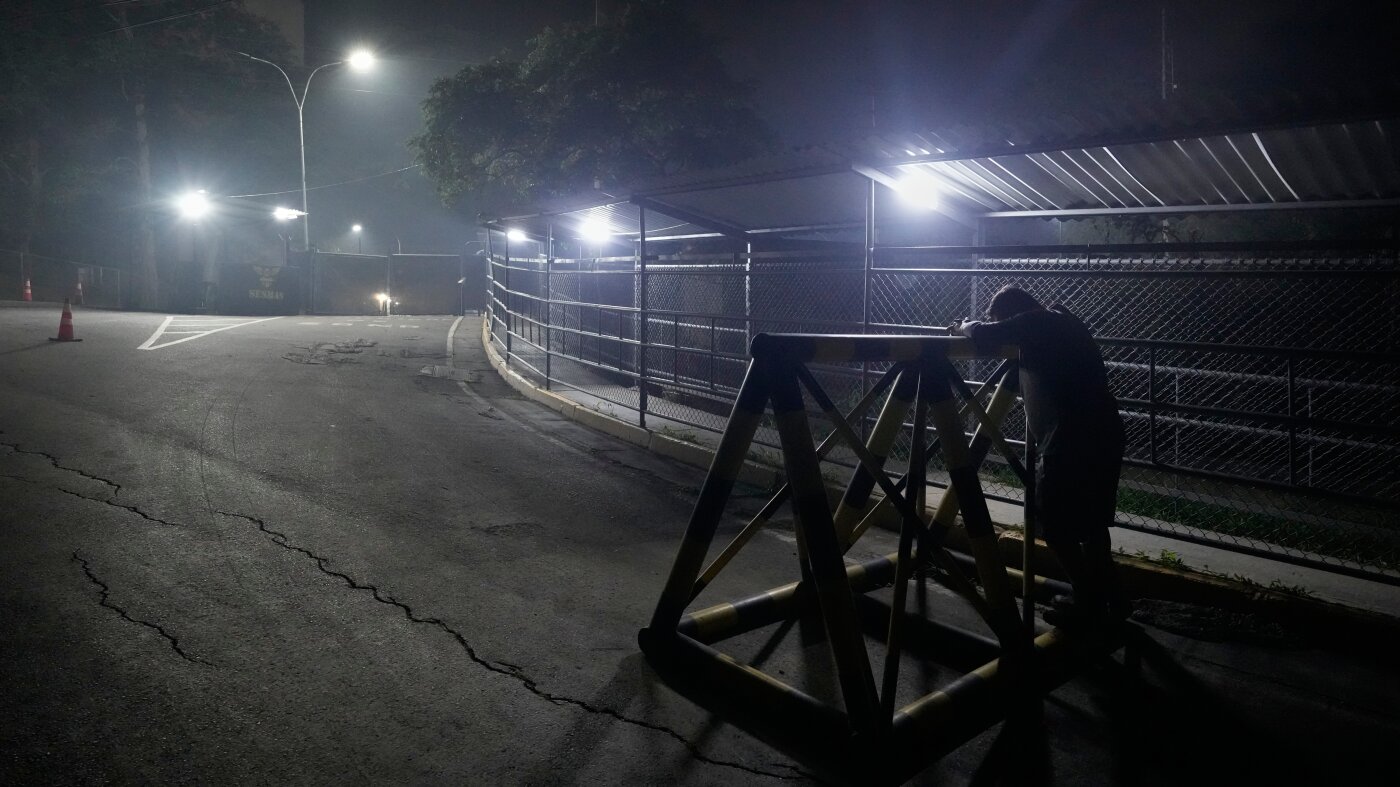
Families of detainees gathered outside a prison in Guatire, approximately one hour east of Caracas, in hopes of learning about their loved ones. One family member, Pedro Durán, expressed his emotional anticipation as he awaited news about his brother, Franklin, who has been detained since 2021 under accusations of attempting to overthrow the government.
Implications of the Prisoner Releases
The Venezuelan government has a history of releasing political prisoners during times of heightened tension. The latest releases mark the first since Maduro’s ousting, prompting a mix of skepticism and cautious optimism among human rights advocates and opposition members. While some view this as a potential sign of change within a transitioning government, others caution that it may merely be a strategic maneuver to placate the Trump administration, which has maintained pressure through sanctions.
Alfredo Romero, president of the advocacy group Foro Penal, expressed hope that these actions could signal the dismantling of a repressive system in Venezuela. He noted that as of December 29, 2025, there were still 863 individuals detained for political reasons. The Venezuelan government, however, counters this narrative, asserting that those detained are involved in efforts to destabilize the country.
The evolving political landscape may also influence future releases. Ronal Rodríguez, a researcher at the Venezuelan Observatory at the University of Rosario in Colombia, highlighted the strategic timing of these releases. He recalled a previous instance in July 2023, when Venezuela freed ten jailed U.S. citizens in exchange for the repatriation of Venezuelans deported by the Trump administration.
As the situation unfolds, the international community continues to closely monitor Venezuela’s political dynamics. Trump indicated that he may meet with María Corina Machado next week, further emphasizing his administration’s interest in the future of the oil-rich nation. The implications of these releases and the evolving dialogue between the U.S. and Venezuela remain to be seen, particularly as the region navigates a complex political environment.