The United States maintained its status as the world’s largest aviation market in 2024, with nearly 900 million passengers flying on commercial aircraft. This figure surpasses the 750 million passengers in second-place China by over 140 million, highlighting the immense scale of air travel in the U.S. A significant portion of this traffic is concentrated in a few major airports, with the top seven hubs playing a pivotal role in accommodating the soaring passenger numbers.
Leading the Pack: Hartsfield-Jackson Atlanta International Airport
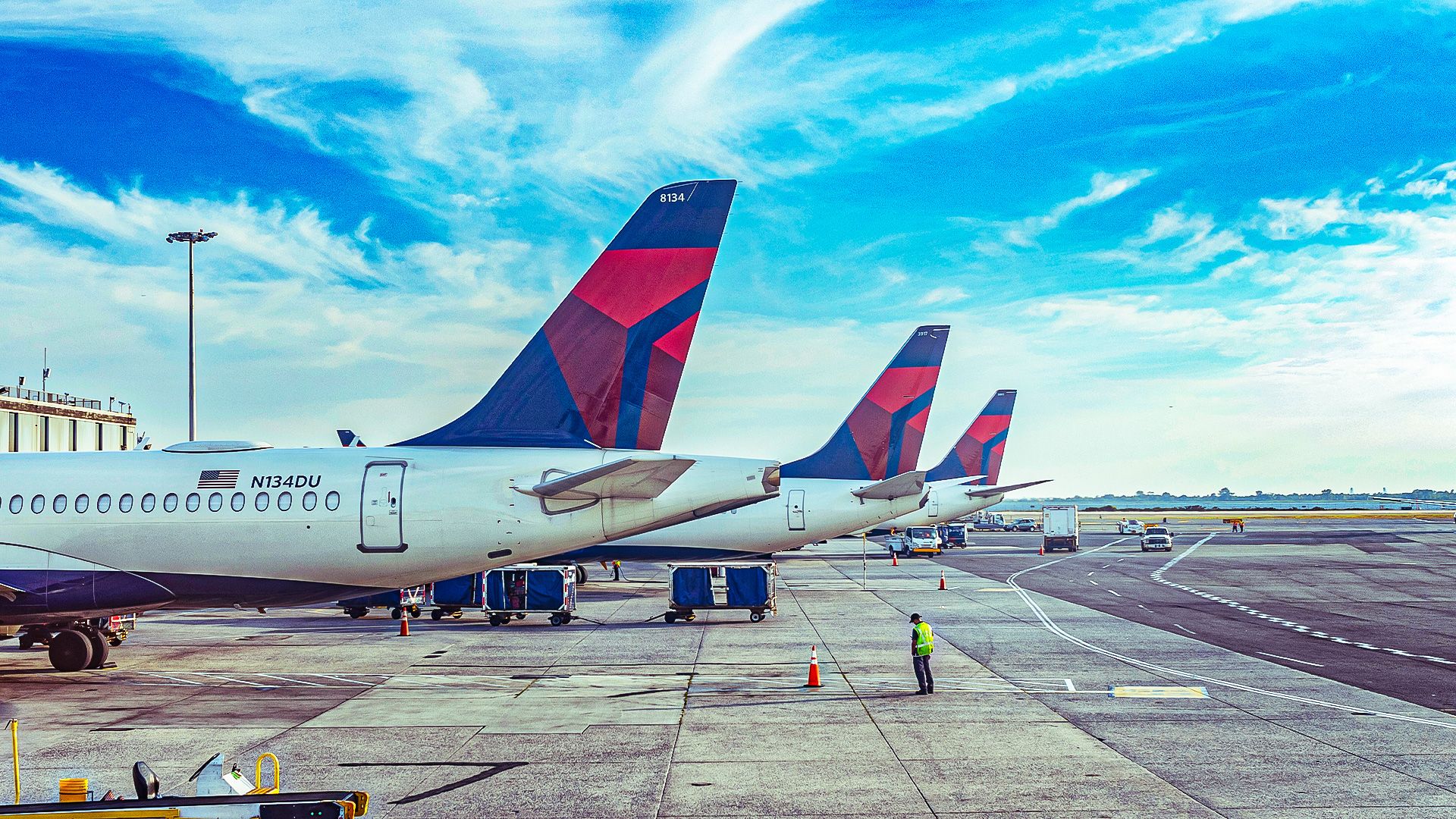
Hartsfield-Jackson Atlanta International Airport (ATL) continues to reign as the busiest airport in the world. In 2024, it recorded over 105 million passengers and facilitated approximately 800,000 flights. As the primary hub for Delta Air Lines, ATL serves more than 150 domestic and 70 international destinations across five continents. The airport first crossed the 100 million passenger threshold in 2015 and has consistently ranked at the top since 1998, except for 2020. Notably, ATL’s infrastructure includes five parallel runways and the tallest air traffic control tower in North America, supported by over 55,000 employees.
Rapid Growth at Charlotte Douglas International Airport
Charlotte Douglas International Airport (CLT) has emerged as one of the fastest-growing airports in the United States, serving over 55 million passengers in 2024. As the second-largest hub for American Airlines, it ranks among the busiest globally by operations. The airport offers service to 188 destinations, with 40 international routes, including eight to Europe. Currently, CLT is undergoing a major $4 billion capital improvement program called “Destination CLT” to accommodate its rapid growth, including a $608 million expansion of the main lobby completed in September 2025.
John F. Kennedy International Airport (JFK) in New York also recorded over 55 million passengers in 2024. August 2025 marked a milestone for JFK, as it hosted 6 million travelers in a single month. The airport, which opened in 1948, is home to more than 90 airlines providing nonstop service to six continents. Delta Air Lines controls around one-third of the airport’s market share, followed closely by JetBlue.
Los Angeles International Airport (LAX) saw over 75 million passengers in 2024. As a major hub on the West Coast, LAX accommodates all three of the “big three” legacy carriers—American, United, and Delta—alongside Southwest Airlines. The airport is currently undergoing significant renovations in preparation for the 2028 Olympics, including a new elevated train and terminal upgrades, which are designed to enhance passenger experience.
Chicago O’Hare and Denver International Airports
Chicago O’Hare International Airport (ORD) reported more than 80 million passengers in 2024, marking its busiest year ever. The airport is a dual mega hub for both United and American Airlines, which together account for approximately 75% of its traffic. July 2025 was notably the busiest month in the airport’s history. O’Hare is recognized for having the most active runways of any civilian airport globally, with eight in total.
Denver International Airport (DEN) also served over 80 million passengers last year, asserting its position as the third-busiest airport in the U.S. and the sixth globally. DEN is the largest hub for United Airlines and also serves as a significant base for Southwest Airlines. Spanning 53 square miles, it is twice the size of Manhattan, featuring the longest public runway in North America at 16,000 feet.
Dallas/Fort Worth International Airport’s Expansion Efforts
Dallas/Fort Worth International Airport (DFW) welcomed nearly 88 million passengers in 2024, aiming to exceed 100 million annually by the end of the decade. DFW ranks as the second-busiest airport in the U.S. and third in the world. The airport is currently engaged in the “DFW Forward” expansion project, which involves a planned investment of up to $12 billion for a new sixth terminal and major renovations to older terminals.
The history of DFW is closely tied to the deregulation of the airline industry, with the airport constructed in the 1970s to unify operations in the Dallas area. American Airlines played a significant role in the development of DFW, reinforcing its status as a prominent hub in the region.
As the aviation market continues to grow, these airports will remain critical to managing the increasing volume of air traffic, showcasing the dynamic landscape of air travel in the United States.