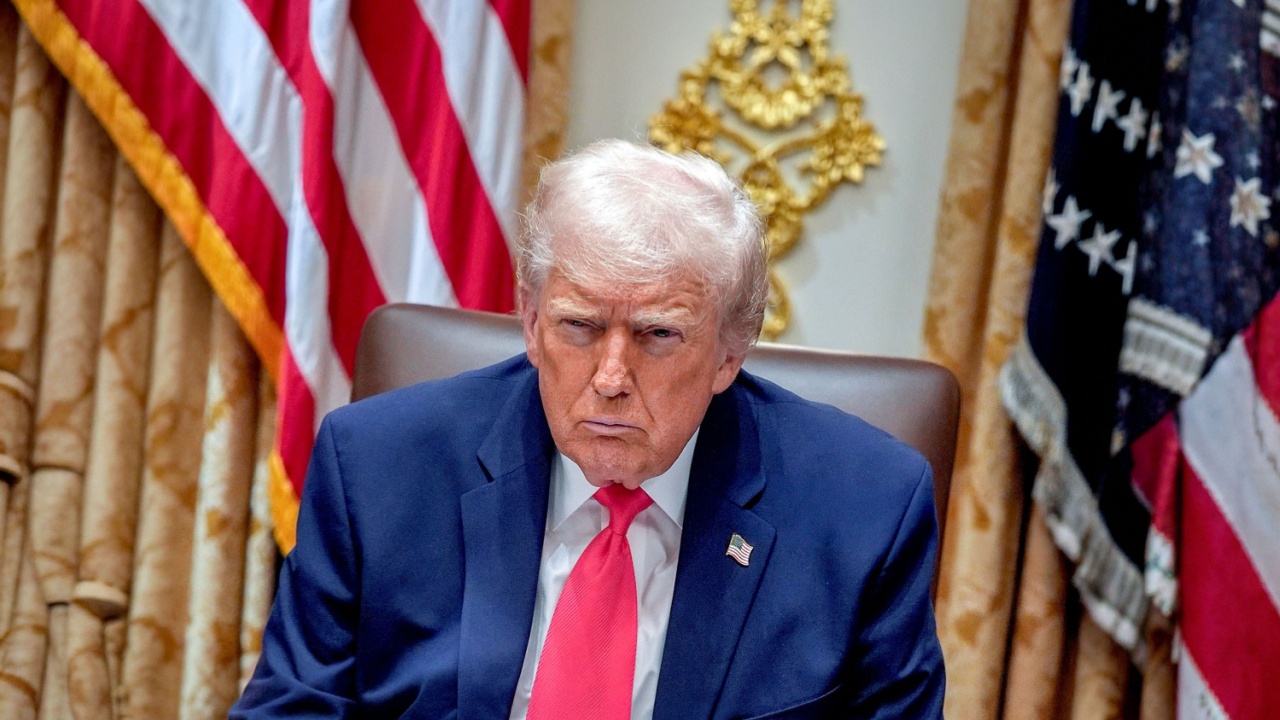
President Donald Trump’s approach to Greenland has evolved, moving from threats to a more diplomatic strategy. On January 24, 2026, amidst tensions with European allies, Trump announced a new security framework with NATO Secretary-General Mark Rutte, which focuses on cooperation rather than coercion. This shift follows a week of tensions where the Trump administration threatened tariffs against several European nations for sending military contingents to Greenland, a tactic that risked undermining strategic relationships.
The recent protests in Greenland, with slogans like “Greenland First” and “Greenland Is Not for Sale,” highlight the importance of persuasion in today’s geopolitical landscape. While traditional power dynamics remain relevant, the need for soft power is increasingly recognized.
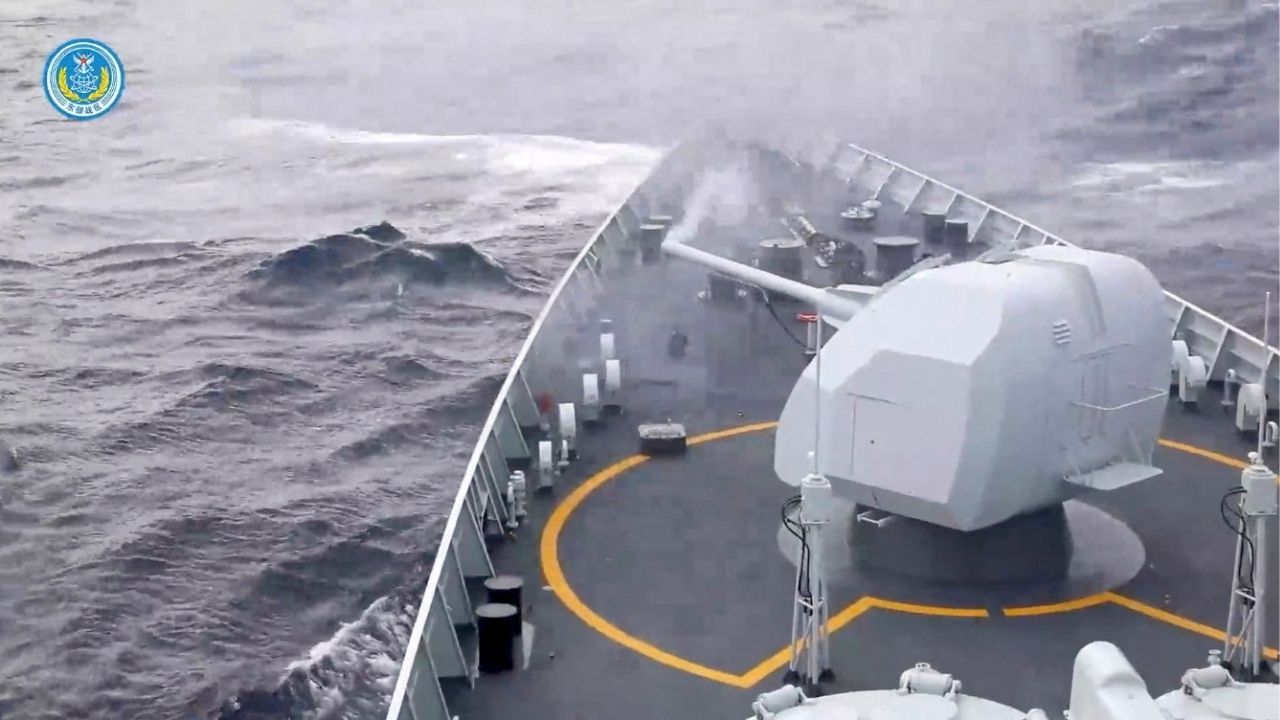
Trump’s strategic rationale regarding Greenland is based on its significance in Arctic geopolitics. As climate change accelerates ice melt, new maritime routes are emerging, prompting Russia and China to assert their influence in the region. Russia has expanded its military capabilities in the Arctic, while China, although not an Arctic state, has invested heavily in research and infrastructure projects across the region, including Greenland.
Greenland is strategically important to the United States, particularly regarding missile defense. The island plays a critical role in the U.S. missile-defense architecture, with systems like the proposed “Golden Dome” relying on its geographical position. Any effective defense against advanced missile threats requires collaboration with Greenland.
In addition to its strategic military importance, Greenland is rich in natural resources, particularly rare earth elements essential for modern technology, including smartphones and advanced weapon systems. With China controlling a significant portion of the global rare-earth supply chain, access to Greenland’s resources is vital for U.S. economic and technological leadership.
The security situation in Greenland is complex. With approximately 56,000 inhabitants dispersed across a vast territory, the island lacks the infrastructure and military capacity to defend itself. Since gaining increased autonomy from Denmark in 2009, Greenland retains the right to pursue independence through a referendum. However, independence would carry significant risks, as it would leave Greenland vulnerable to external pressures from both China and Russia, especially if it exits Denmark’s NATO protection.
The United States has historically shown interest in Greenland, dating back to the 19th century, with renewed focus during the Cold War. Trump’s transparent approach reflects a broader understanding among American strategists about the island’s importance.
The framework discussed at the World Economic Forum suggests updating the 1951 U.S.-Danish defense agreement, which governs military operations in Greenland. This update could enhance NATO’s role in Arctic security and address external threats from Russia and China. The inclusion of the “Golden Dome” missile-defense elements in Greenland could further solidify this partnership.
To bolster security in Greenland, there is a call to expand the U.S. military presence from the current 150 personnel to a more substantial force. Such an increase would enhance Arctic defense capabilities and provide economic benefits to Greenland through job creation and infrastructure investment.
Yet, blunt tactics like those previously employed by Trump, including comments on securing Greenland “one way or another,” have provoked backlash in both Copenhagen and Nuuk. This emphasizes the need for a more nuanced approach that prioritizes dialogue and partnership over threats.
The lessons learned from past conflicts highlight that winning “hearts and minds” is essential, especially in regions like Greenland. The U.S. must engage in active diplomacy, fostering cultural exchanges, educational initiatives, and trade opportunities to build trust with Greenlanders.
As a senior fellow at the Atlantic Council, Dr. Agnia Grigas emphasizes that the stakes for U.S. diplomacy extend beyond Greenland to encompass broader NATO relations. The U.S. must navigate its relationships with both European and Arctic partners carefully, as threats can create anxiety rather than security.
Trump’s recognition of Greenland’s strategic significance is a positive development, but achieving lasting agreements will require a commitment to charm and diplomatic engagement.