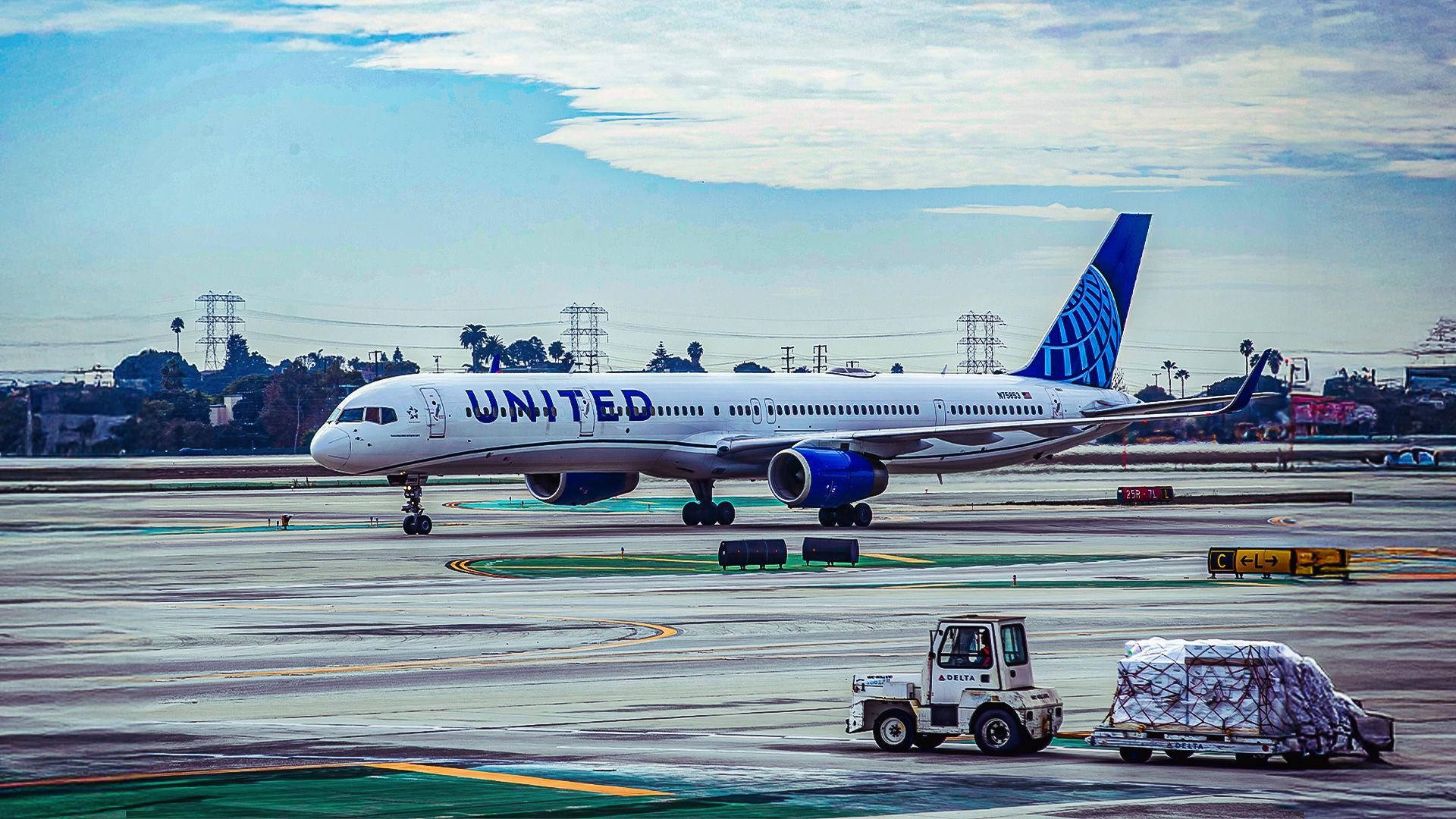
United Airlines flight attendants have decisively rejected a pay proposal that would have positioned them among the highest-paid in the industry. The Association of Flight Attendants (AFA-CWA), representing approximately 30,000 crew members, insists on a fundamental change in how they are compensated—specifically, they want to be paid for all hours worked, rather than only during flight time after the aircraft doors have closed.
Current industry practices dictate that flight attendants begin receiving pay once the aircraft is in motion, excluding the time spent on pre-flight duties, including check-ins and briefings. This practice has sparked ongoing debates within major airlines, as crew members argue that their compensation should reflect the entirety of their work hours, including time spent on the ground.
Five Years Without a Pay Increase
According to Gary Leff of *View From The Wing*, United Airlines flight attendants have not seen a significant pay increase in the last five years. The rejection of previous contract negotiations has left the union adamant about ensuring that flight attendants receive full compensation for their time at work, not just for the period spent in the air.
A potential compromise known as ‘sit pay’ was recently proposed, which would provide compensation for time between flights. However, this proposal is fraught with complications. The union is concerned that implementing sit pay would be contingent upon a preferential bidding system (PBS), which is already in use by most major U.S. carriers, including American Airlines and Delta Air Lines. Flight attendants have expressed reservations about this system, fearing it may not serve their best interests.
Ongoing Negotiations and Member Sentiment
The union faced a significant setback when 71% of its members rejected the latest contract proposal, indicating a desire for better terms. Flight attendants are not only concerned about pay but also about the quality of accommodations provided during layovers. Reports have indicated dissatisfaction with the hotels used by the airline, further complicating negotiations.
United Airlines has communicated its willingness to consider ground pay for flight attendants. However, the airline has emphasized that such changes would not lead to an increase in standard wages, which are already among the highest in the industry. This proposal includes a reduction in guaranteed hours from 78 to 75, which would also phase out any reserve override.
This complex situation highlights the airline’s attempts to find a middle ground, and it remains to be seen whether the union and its members are ready to accept the concessions on the table. The ongoing discussions reflect broader trends within the airline industry regarding fair compensation and working conditions.
Under the Railway Labor Act, the structure of compensation is designed to enhance operational efficiency, allowing airlines to manage costs effectively. While flight attendants do receive some additional compensation for expenses incurred during their time away from home, the ongoing push for comprehensive pay reform underscores a critical moment in labor relations within the airline sector.