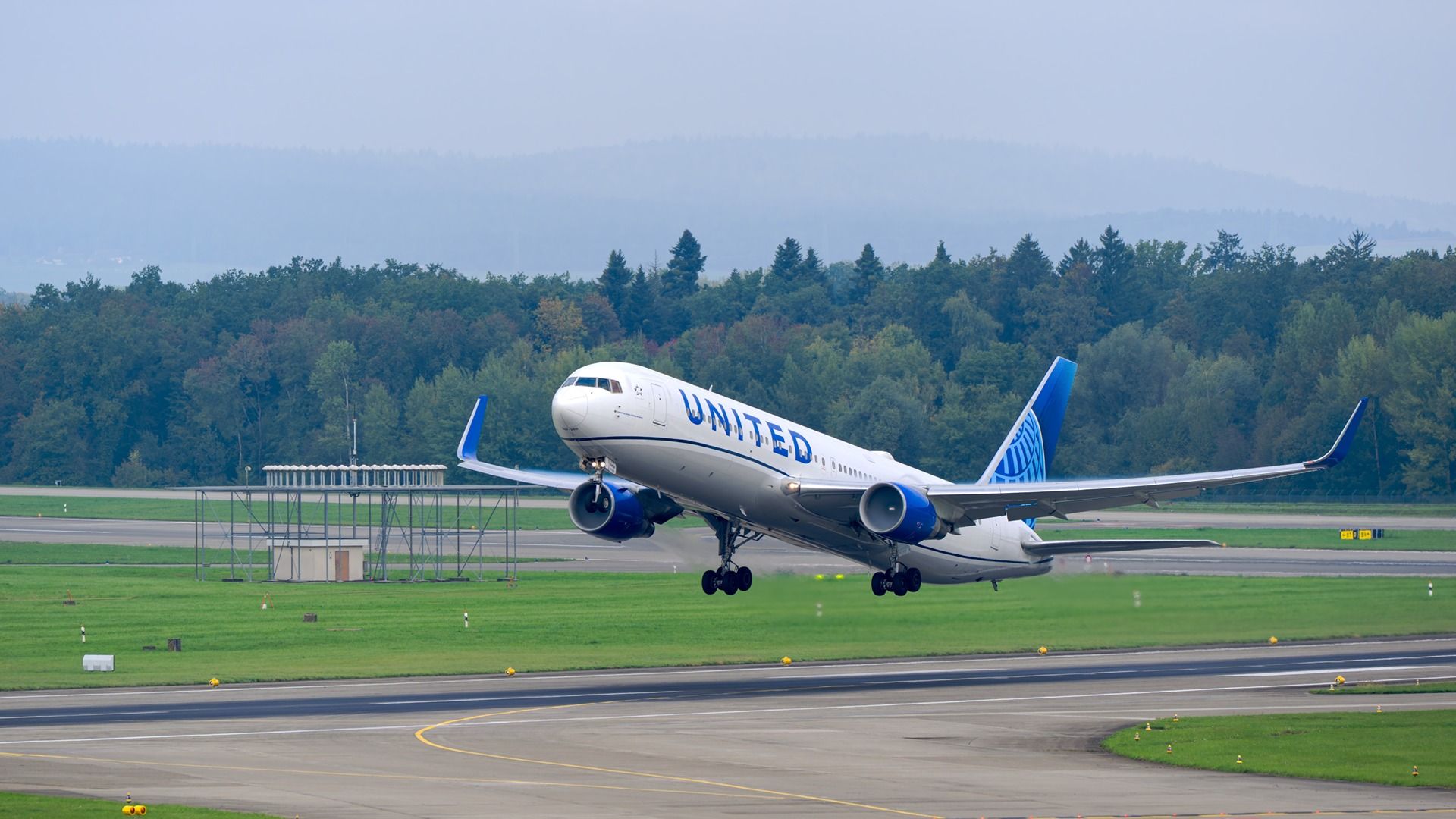
A television news anchor has publicly criticized United Airlines after discovering that her ‘window’ seat did not have a window during a long-haul flight from Maui to New York City. On January 3, 2024, Gayle King, co-host of CBS Morning, boarded flight UA441, operated by a Boeing 767-300ER. Upon settling into seat 18L, she realized that the seat, while labeled as a window seat, lacked an actual window.
King took to Instagram to express her frustration, stating, “When is a window seat not a window seat? C’mon @united!” She noted that even the flight attendant acknowledged the peculiar situation, admitting he had never encountered a similar issue before. Despite the full flight and the attendant’s suggestion to voice her complaint, King felt compelled to share her experience on social media.
Flight Details and Airline Operations
The United Airlines flight departed from Kahului Airport (OGG) at 23:04 local time, approximately 34 minutes later than its scheduled departure of 22:30. The non-stop journey to Newark Liberty International Airport (EWR) typically averages eight hours and 30 minutes. King’s flight ultimately landed at 12:37 on January 4, arriving 32 minutes ahead of schedule.
United Airlines operates a fleet of 37 Boeing 767-300ER aircraft, with 24 configured for premium services. The specific aircraft involved in King’s flight, designated as N673UA, is 26 years old and can accommodate 167 passengers across three classes: 46 in United Polaris, 22 in United Premium Plus, and 99 in United Economy.
According to data from Flightradar24, the flight maintained a cruising altitude of approximately 39,000 feet for most of its journey. Boarding Group 1, which includes United Polaris and other premium class passengers, allowed King to be among the first to board the aircraft.
Understanding Windowless Seats
While it may seem unusual, windowless seats exist on certain aircraft due to the design and structure of the plane. Aircraft manufacturers sometimes place seats in locations where the fuselage does not align with a window. Although the term ‘window seat’ generally implies a seat next to a window, in aviation, it can simply refer to a seat on the side of the aircraft.
AeroLOPA, a detailed aircraft seating resource, confirms that row 18 on the specific aircraft lacks a visible window, contributing to King’s disappointment. Despite this setback, the onboard experience, including meals and entertainment, remained unaffected, as the flight occurred overnight.
King’s incident has sparked conversations about airline seating arrangements and passenger expectations. With air travel becoming increasingly competitive, customer satisfaction remains a priority for airlines. As more travelers share their experiences on social media, airlines will need to respond proactively to feedback and concerns.
This situation highlights the importance of clear communication regarding seat assignments and amenities. As airlines continue to adapt to the changing landscape of air travel, ensuring that passengers are well-informed about their seating options will be crucial in maintaining customer loyalty.