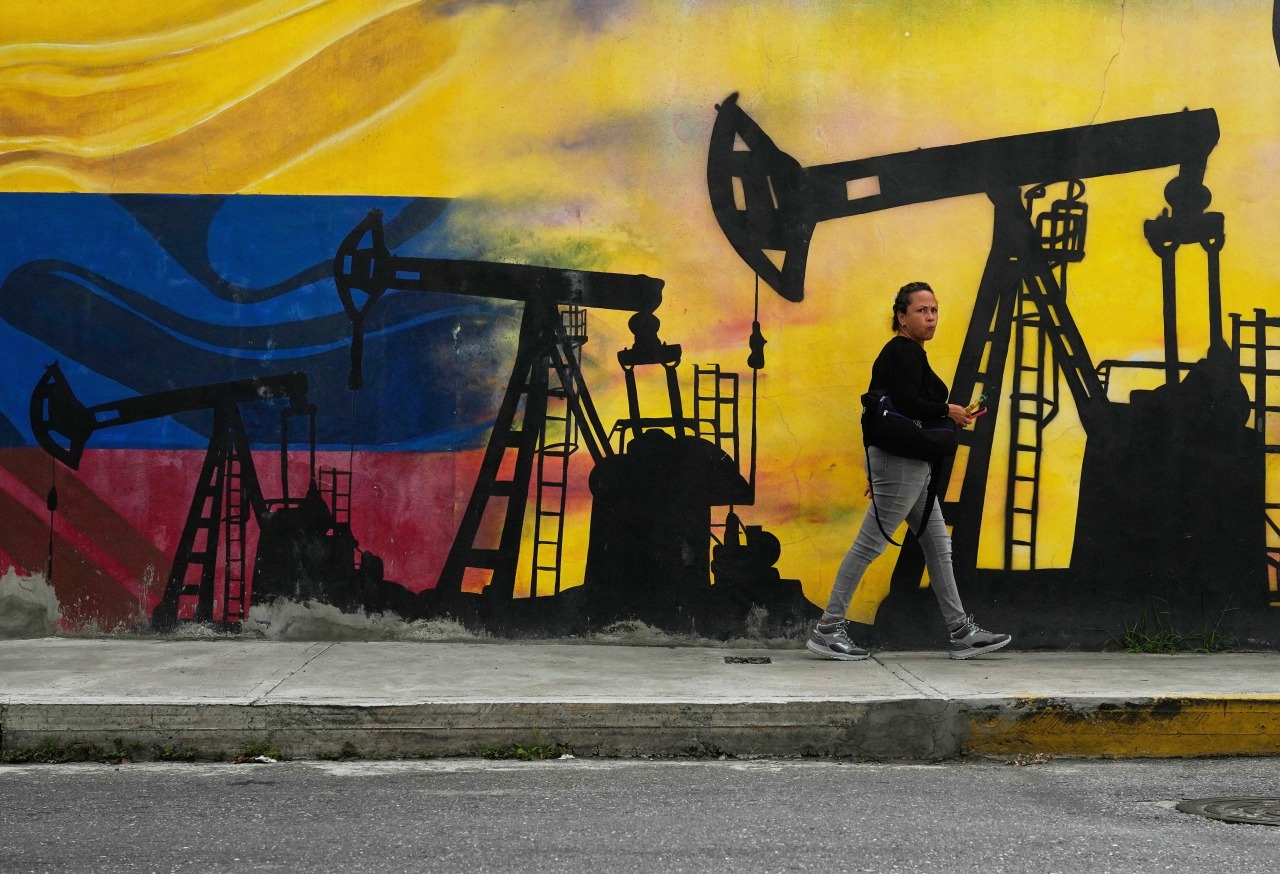
In a significant move to aid Venezuela’s economy, the United States is considering the sale of the country’s backlogged crude oil supply. Economists argue that this initiative could provide a crucial lifeline to Venezuela, which has faced severe economic challenges and international sanctions. The proposed sale aims to help revive the nation’s oil industry, a sector that has historically been vital to its economy.
The U.S. Department of the Treasury is exploring ways to facilitate the sale of crude oil that has been accumulating due to ongoing supply chain issues and sanctions imposed on Venezuela. These sanctions, aimed at punishing the government led by President Nicolás Maduro, have severely restricted the country’s ability to export oil, leading to significant financial losses. According to industry analysts, the sale could not only alleviate the backlog but also inject much-needed revenue into the Venezuelan economy.
Potential Economic Impact
The potential sale of Venezuela’s oil may have profound implications for the country’s economic recovery. Venezuela’s economy has shrunk dramatically, with the International Monetary Fund (IMF) estimating a contraction of over 70% since 2013. The oil sector, which once accounted for over 95% of export revenues, has been crippled, with production falling to less than 400,000 barrels per day in recent years.
By selling the backlogged supply, Venezuela could generate substantial revenue, which could be directed towards social services and infrastructure development. Economists suggest that this influx of cash could help stabilize the economy and potentially restore some degree of normalcy for its citizens. “Selling this oil could not only reduce the backlog but also help bring Venezuela back into the international market,” noted Dr. Maria Gonzalez, an economist specializing in Latin American markets.
The sale is also seen as a strategic move by the U.S. to influence Venezuela’s political landscape. By enabling the country to access funds, Washington could encourage a shift towards more democratic governance. This aligns with U.S. interests in promoting stability in the region, particularly given the ongoing humanitarian crisis in Venezuela.
Challenges Ahead
Despite the potential benefits, the plan faces significant challenges. Sanctions remain a contentious issue, and the U.S. government must navigate a complex landscape of international relations. Any decision to facilitate oil sales will likely be met with scrutiny from both supporters and opponents of the Maduro administration.
Furthermore, logistical issues related to the sale of crude oil must be addressed. The infrastructure to transport and refine the oil has suffered from years of neglect and mismanagement. Restoring this infrastructure will require investment and time, which may delay any immediate benefits from the sale.
In addition, the political climate in Venezuela is unpredictable. The government has been resistant to foreign interventions and may view the sale as a threat to its sovereignty. Effective communication and collaboration between U.S. officials and Venezuelan authorities will be essential in ensuring that the sale proceeds smoothly and effectively benefits the Venezuelan people.
The U.S. government is expected to release further details on this initiative in the coming months. As the situation develops, the international community will be closely watching the potential impact of these sales on Venezuela’s economy and political landscape. The outcome could have lasting implications for the country’s future and its relationship with the United States and other global partners.