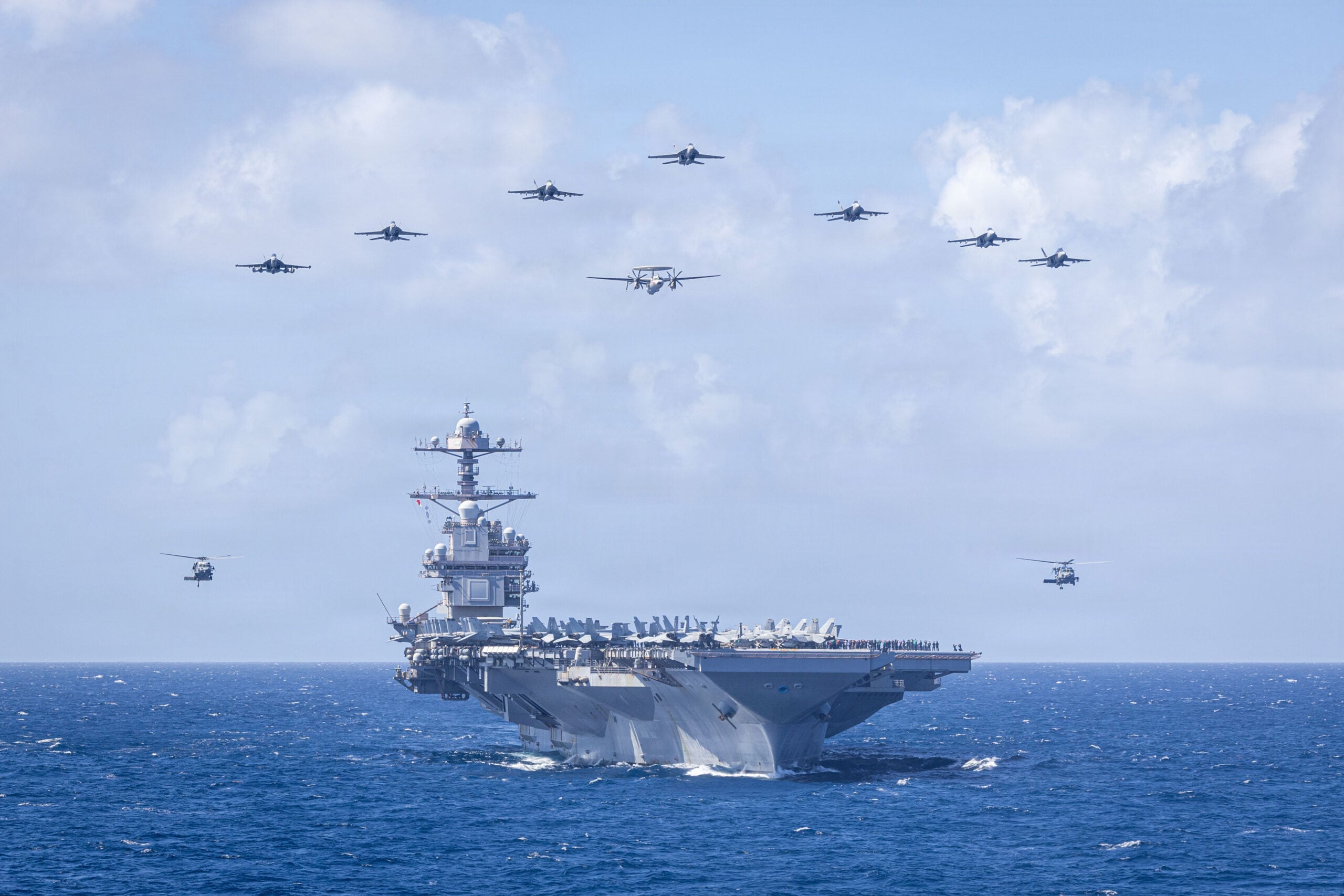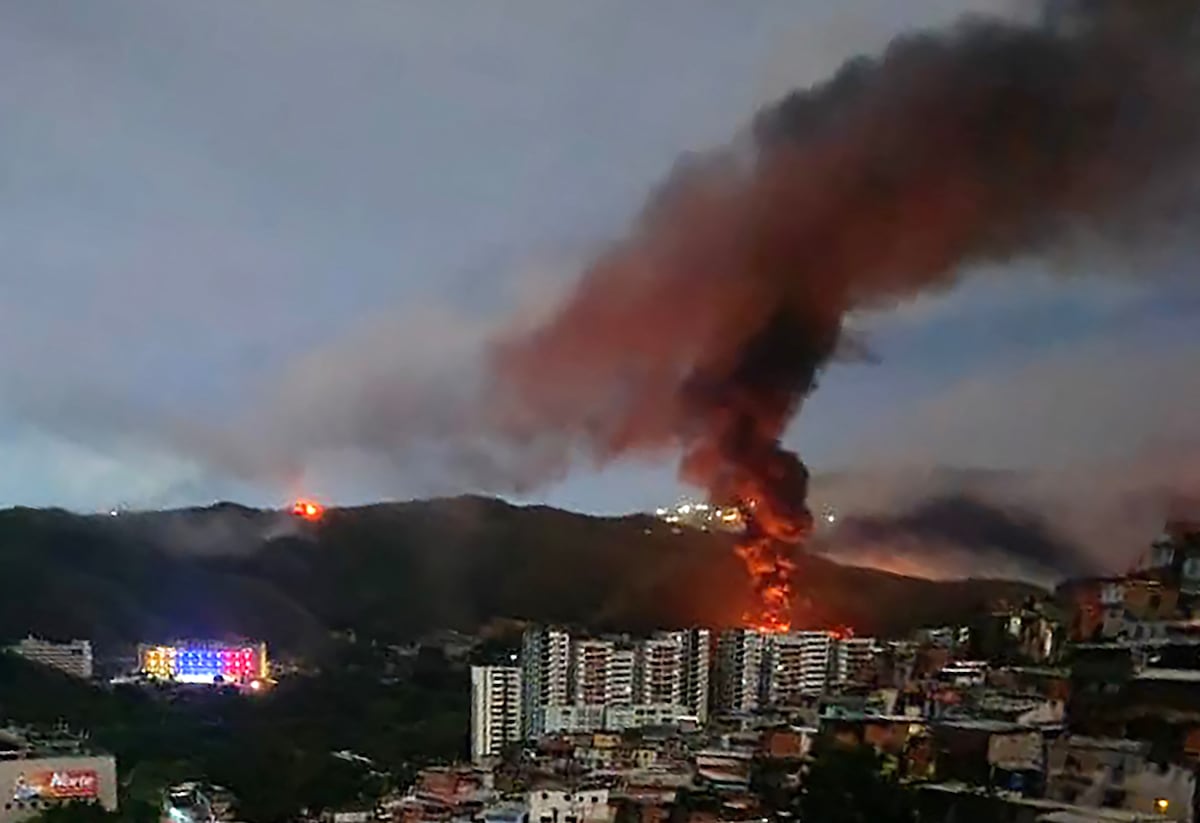
The United States military successfully executed a high-stakes operation over the weekend, capturing Venezuelan leader Nicolás Maduro and his wife, Cilia Flores, from their Caracas residence. This mission, named Operation Absolute Resolve, involved over 150 aircraft launched from 20 bases and was completed in less than five hours, according to official statements from President Donald Trump and General Dan Caine, Chairman of the Joint Chiefs of Staff.
The operation’s success hinged on a narrow window of favorable weather conditions. Trump revealed during a phone interview that military forces had been on standby for “days,” awaiting the right moment to commence the operation. At 22:46 Eastern Standard Time on January 2, 2024, the green light was given, and the mission began with a swift launch of helicopters and support aircraft.
Precision Planning and Execution
The meticulous planning for the operation started months in advance, as intelligence agencies worked together to track Maduro’s movements. General Caine highlighted the reliance on intelligence from the Central Intelligence Agency, National Security Agency, and the National Geospatial-Intelligence Agency, though he did not specify the contributions of each agency. Defense expert Carlton Haelig described the operation as “surgical,” noting that while it was designed for precision, the tactical aspects were still large in scale.
Haelig emphasized the importance of understanding Maduro’s daily routines and defensive capabilities, which allowed U.S. forces to plan their entry and exit from the targeted area effectively. According to Adam Taichi Kraft, a former intelligence collection strategist, intelligence gathering is constant, with surveillance extending into every aspect of individuals’ lives. “If you are breathing oxygen, you are opening yourself up to surveillance,” he stated, underscoring the extensive nature of modern intelligence operations.
Reports suggest that the U.S. Army’s elite Delta Force practiced for the extraction in a mockup of Maduro’s compound. Even with thorough preparation, operations of this magnitude carry inherent risks. Haelig pointed out that uncertainties, such as shifting air defense systems along the route, remained a concern for planners and operators alike.
Execution of the Mission
As the helicopters approached Caracas, they flew at a low altitude to avoid detection, shielded by a fleet of fighter jets and surveillance aircraft. Upon reaching Maduro’s compound shortly after 01:00 on January 3, a firefight ensued. Caine reported that one aircraft sustained minor damage but remained operational. Trump later remarked that Maduro was “bum-rushed so fast” in what he described as a fortified residence.
By 03:29, U.S. forces had successfully extracted Maduro and Flores, who were subsequently photographed aboard the USS Iwo Jima. The capture led to federal criminal charges against Maduro in New York. Defense Secretary Pete Hegseth indicated that approximately 200 Americans were involved in the operation on the ground, though the Pentagon has not confirmed specific unit details due to operational security.
Speculation surrounds the involvement of the 160th Special Operations Aviation Regiment, known for its expertise in low-altitude missions. Haelig indicated that both Delta Force and Navy SEAL Team Six are adept at high-value target operations and often collaborate closely with intelligence agencies.
The operation’s success reflects the evolving nature of military strategy, where precision and coordination are paramount. As Kraft noted, the personnel involved in such missions are exceptionally trained and rehearsed, equipped to handle unexpected challenges. The culmination of months of planning and collaboration among various intelligence and military entities has led to a significant shift in Venezuela’s political landscape.