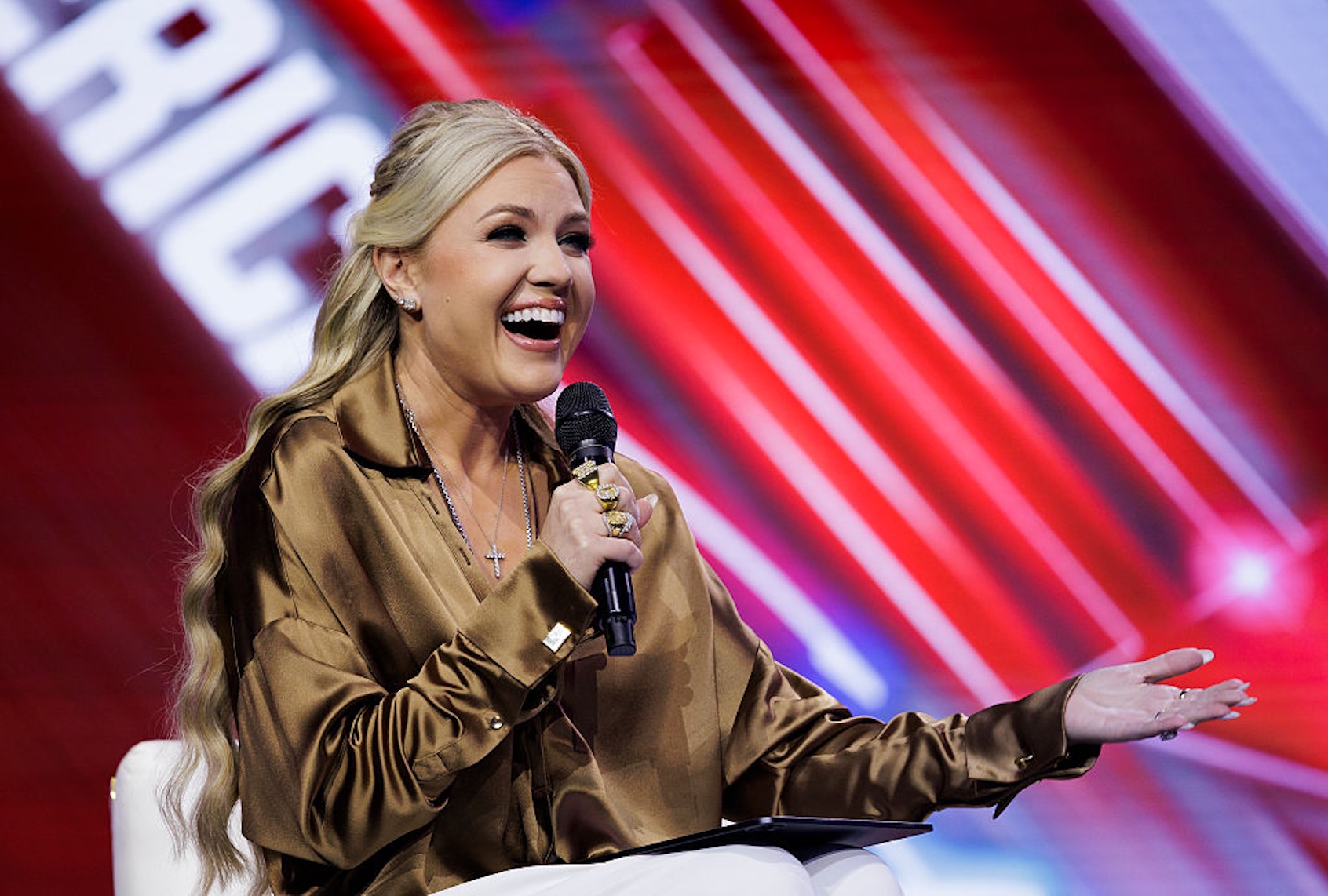
As the Super Bowl approaches, Turning Point USA (TPUSA) finds itself under scrutiny for its alternative halftime show, the “All-American Halftime Show.” Despite being less than two weeks away from the event scheduled for February 11, 2024, the organization has yet to announce any performers, raising concerns about the viability of their planned broadcast. TPUSA spokespersons have claimed that they have “multiple performers” lined up, but specific names have not been disclosed, leading to skepticism about the show’s potential success.
The backdrop for TPUSA’s initiative stems from significant public reaction when the National Football League (NFL) announced that Bad Bunny, a Puerto Rican superstar known for his massive streaming success, would headline the official halftime show. Many conservatives expressed outrage, framing Bad Bunny’s participation as an affront to American values. This backlash seemed to prompt TPUSA to create a competing show, with spokesperson Andrew Kolvet asserting that they would provide an alternative to what they perceived as an unsatisfactory choice by the NFL.
In the months leading up to the Super Bowl, TPUSA’s promotional efforts have been lackluster. Their website has primarily featured a survey soliciting preferences for music genres, rather than showcasing any artists. Recently, it was updated to include a list of media outlets, such as One America News and the Daily Wire, that will stream the event, but still lacks any notable performers. This absence has led to a growing sense of doubt regarding the quality and appeal of the planned show.
Fans of TPUSA have expressed concern over the lack of marketing and promotion surrounding the halftime show. Comments on social media reflect a mix of anticipation and skepticism, with users calling for more robust advertising and questioning the organization’s ability to attract a younger audience. Some supporters noted the need for the show to be broadcasted on accessible platforms, highlighting a disconnect between TPUSA’s outreach and the preferences of potential viewers.
While TPUSA has positioned itself as a youth-oriented organization, its appeal appears to be more aligned with older conservative donors. This reality poses a challenge as the group struggles to engage younger demographics, particularly those who may be disinterested in the conservative messaging that has historically dominated its events. The late Charlie Kirk, TPUSA’s founder, often showcased youth in promotional materials, but evidence of successfully attracting younger supporters to the MAGA cause remains limited.
The anticipation of a star-studded lineup has led to speculation about potential performers, with some fans suggesting names like Kid Rock and even Nicki Minaj. However, the likelihood of securing such high-profile acts without prior announcement seems slim. Prominent Christian music artists like Cory Asbury and Forrest Frank have already distanced themselves from the event, further complicating TPUSA’s quest to attract mainstream talent.
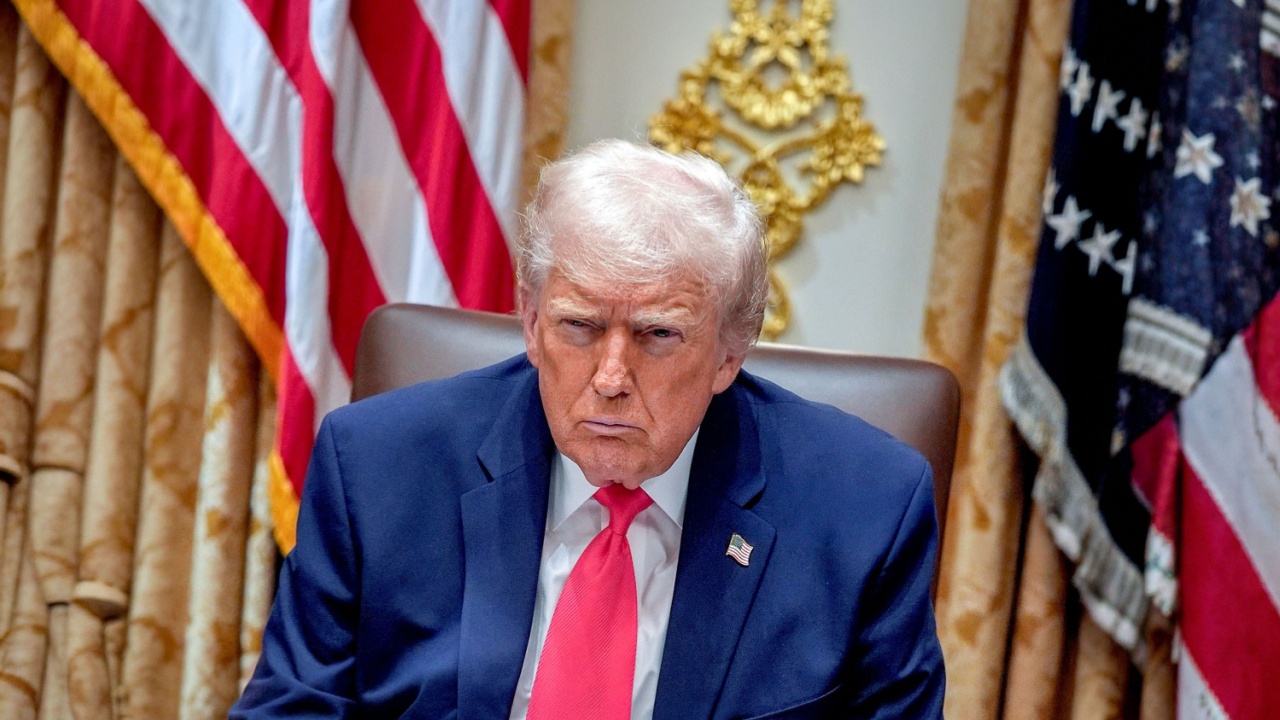
The situation encapsulates a broader dilemma for TPUSA and the MAGA movement at large, which grapples with feelings of exclusion from contemporary pop culture. The ongoing debate over the Super Bowl’s entertainment choices reflects a struggle to adapt to changing cultural landscapes. Former President Donald Trump has already declared he will not attend the Super Bowl, citing discontent with the featured artists, which underscores a disconnect between the MAGA base and the evolving music scene.
As the Super Bowl draws nearer, questions about the effectiveness of TPUSA’s alternative halftime show linger. With the absence of confirmed performers and mounting skepticism from supporters, it remains uncertain whether the “All-American Halftime Show” will resonate with audiences or become a missed opportunity for the organization. Regardless of the outcome, the event serves as a barometer for the complexities facing conservative organizations in appealing to younger, more diverse audiences in today’s cultural climate.