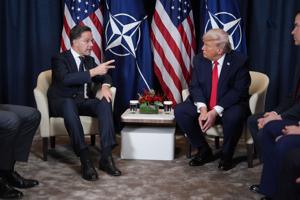
NATO’s capacity to deter Russian aggression is increasingly questioned as internal divisions within the alliance deepen. European allies and Canada have committed billions of dollars to support Ukraine and enhance their defense budgets, yet rising tensions, particularly regarding statements made by former U.S. President Donald Trump, are complicating the alliance’s unity.
Recent events have highlighted the strain on NATO’s cohesion. During a meeting in March 2024, member states discussed their military strategies and financial commitments. While many European nations and Canada are escalating their support for Ukraine against Russian incursions, the discord over Trump’s past remarks regarding NATO’s relevance continues to linger. His criticisms have, according to analysts, undermined confidence among allies and raised concerns about the U.S.’s long-term commitment to the alliance.
NATO’s Financial Commitments and Defense Strategies
The financial response from NATO members has been significant. Reports indicate that European allies, along with Canada, are planning to increase their defense spending by over $100 billion over the next five years. This investment aims to bolster military readiness and provide ongoing assistance to Ukraine, which has been under siege since the outbreak of conflict in 2022.
Despite these efforts, the atmosphere of mistrust complicates NATO’s collective defense strategy. Recent polling data suggests that a substantial number of European citizens feel uncertain about the alliance’s effectiveness. This sentiment is particularly pronounced in countries like Germany and Italy, where leaders are grappling with public opinion and the implications of rising military expenditures.
The ongoing conflict in Ukraine has galvanized many NATO members to reassess their defense policies. Countries such as Poland and the Baltic states are calling for more robust military support from NATO, citing their geographical proximity to Russia. They advocate for a stronger presence of NATO forces in Eastern Europe to deter any potential aggression.
The Impact of Political Divisions
The political landscape within NATO is further complicated by the varying attitudes of member nations toward Russia. While some leaders advocate for a hardline approach, others prefer diplomacy and dialogue. This divergence has led to a lack of consensus on how to respond effectively to Russian President Vladimir Putin‘s actions.
The recent U.S. presidential election has also influenced NATO dynamics. With Trump potentially seeking a return to the presidency, concerns have arisen regarding the future of U.S. foreign policy and its implications for NATO. Analysts warn that if Trump’s isolationist stance resurfaces, it could further fracture the alliance’s unity and effectiveness.
In conclusion, NATO’s ability to present a united front against Russia is facing significant challenges due to internal disputes and external pressures. As member nations continue to invest heavily in their defenses, the question remains whether these efforts can translate into a cohesive strategy that effectively deters aggression and maintains stability in Europe. The situation is fluid, with ongoing developments likely to shape NATO’s future actions and its role in global security.