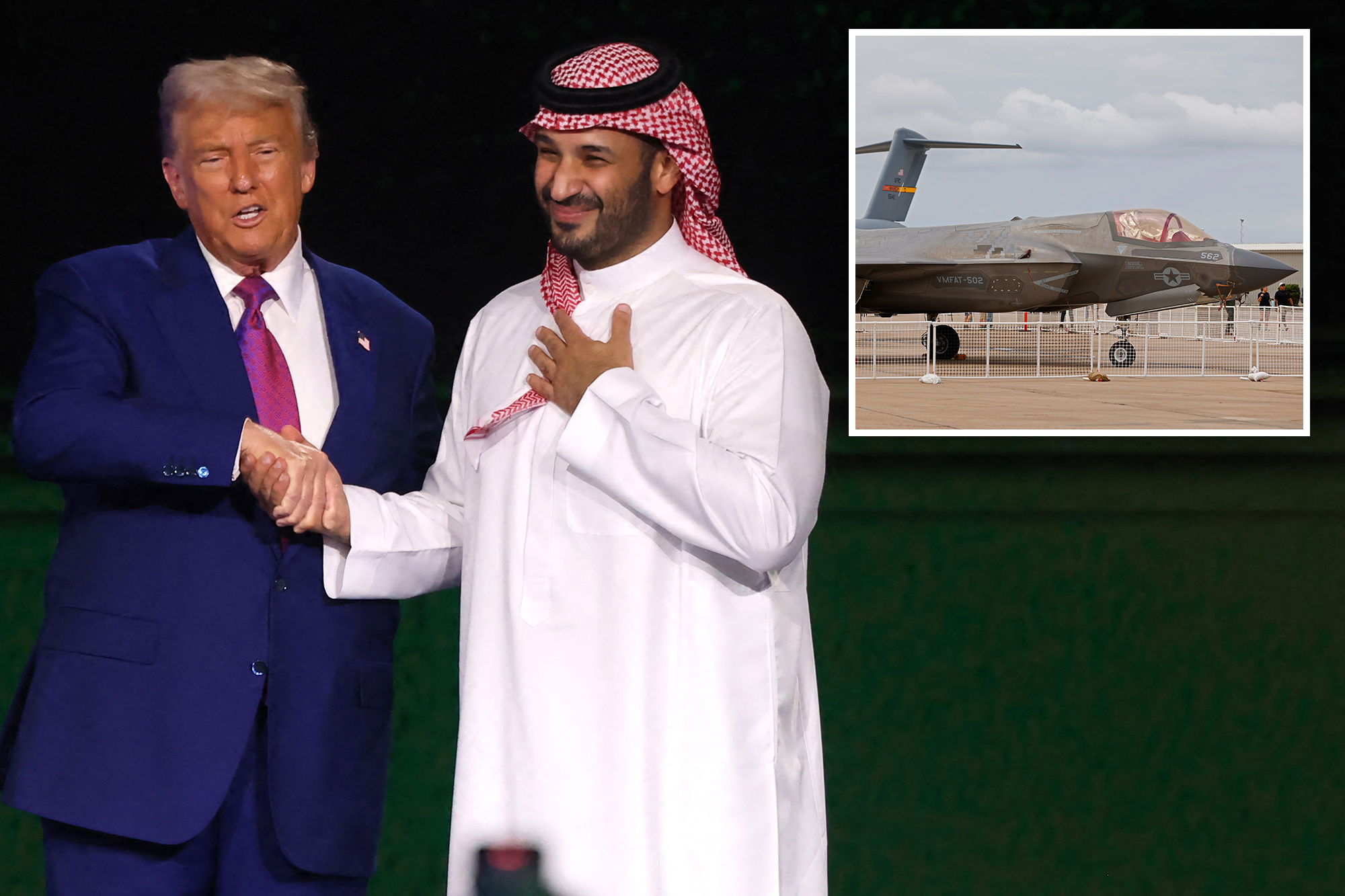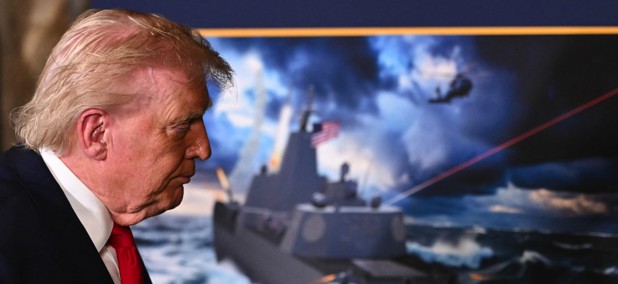
President Donald Trump has unveiled plans for a new class of warships, designated as “battleships,” which are proposed to be armed with a new nuclear-armed cruise missile, known as the SLCM-N. This development appears to contradict his previous statements advocating against the need for new nuclear weapons. In February, Trump stated, “There’s no reason for us to be building brand-new nuclear weapons. We already have so many.”
The implications of this announcement are significant, given the historical context surrounding nuclear-armed, sea-launched cruise missiles. In 1991, former President George H.W. Bush made the decisive move to remove all nuclear-armed Tomahawk cruise missiles from U.S. Navy surface ships and submarines. He deemed their forward deployment as destabilizing and chose to place them in storage.
Two decades later, former President Barack Obama, influenced by U.S. Navy leadership, dismantled these stored weapons, maintaining a strategic nuclear mission limited to specific submarines. This strategy has been widely viewed as stabilizing, recognizing both the conventional advantages of the U.S. Navy and the risks associated with tactical nuclear weapons.
In a surprising turn, the Trump administration in 2018 saw then-Defense Secretary James Mattis and Joint Chiefs chairman, General Mark Milley, endorse a Nuclear Posture Review that called for the development of a new SLCM-N. Although President Biden halted this initiative in 2021, Congress later overruled his decision, allowing funding for the project to continue. This intervention marked a rare instance of Congress compelling the executive branch to initiate a new nuclear weapon program.
Andrew C. Weber, a Senior Fellow at the Council on Strategic Risks and former U.S. Assistant Secretary of Defense for Nuclear, Chemical, and Biological Defense Programs, expressed his support for modernizing the U.S. nuclear triad but raised concerns about the specific nature of the SLCM-N. He articulated three key reasons for opposing this proposed weapon system.
First, Weber believes that introducing this type of nuclear weapon could lead adversaries to miscalculate their responses. If a conflict arises and an adversary uses a “small, tactical nuclear weapon,” as threatened by Vladimir Putin, the expectation of a similarly sized retaliatory strike may embolden such actions. Weber argues that a more effective deterrent would be an overwhelming response, which would reinforce the United States’ conventional military advantages.
Second, Weber warns that the presence of tactical nuclear weapons increases the likelihood of their use in regional conflicts. The risk of crossing the nuclear threshold into a full-scale nuclear exchange escalates significantly once these weapons are deployed.
Lastly, he highlights the heightened risk of miscalculation or accidental war associated with these types of nuclear arms. The existence of conventional variants of the same weapons creates ambiguity in a contested environment. Adversaries may struggle to distinguish between conventional and nuclear armed missiles, potentially prompting them to respond with their own nuclear capabilities.
In light of these considerations, Weber urges the administration to reconsider the pursuit of the SLCM-N. Trump has an opportunity to reaffirm his earlier stance against developing new nuclear weapons while focusing on enhancing military capabilities that align with the current strategic landscape. This approach would not only strengthen U.S. defenses but also contribute to global stability.
The debate surrounding the new battleship program and its nuclear capabilities reflects broader concerns about the future of nuclear weapons policy and strategic military planning in the United States. As discussions continue, the implications for international security remain profound.