President Donald Trump has intensified his aggressive rhetoric towards several nations, signaling a potential shift in U.S. foreign policy. This week, countries across Scandinavia, the Middle East, and beyond found themselves in the spotlight as Trump expressed his intent to assert American dominance, particularly following a controversial military operation in Venezuela that led to the capture of President Nicolás Maduro.
In a move characterized by strong language, Trump declared that the United States would “run” Venezuela, reflecting a broader ambition to reshape the global order. His administration has framed this initiative as part of a strategy to reinforce U.S. national security interests, particularly in the face of perceived threats from countries such as China and Russia.
Countries Under Threat
The targets of Trump’s recent warnings include a range of nations, each facing unique challenges that could escalate tensions.
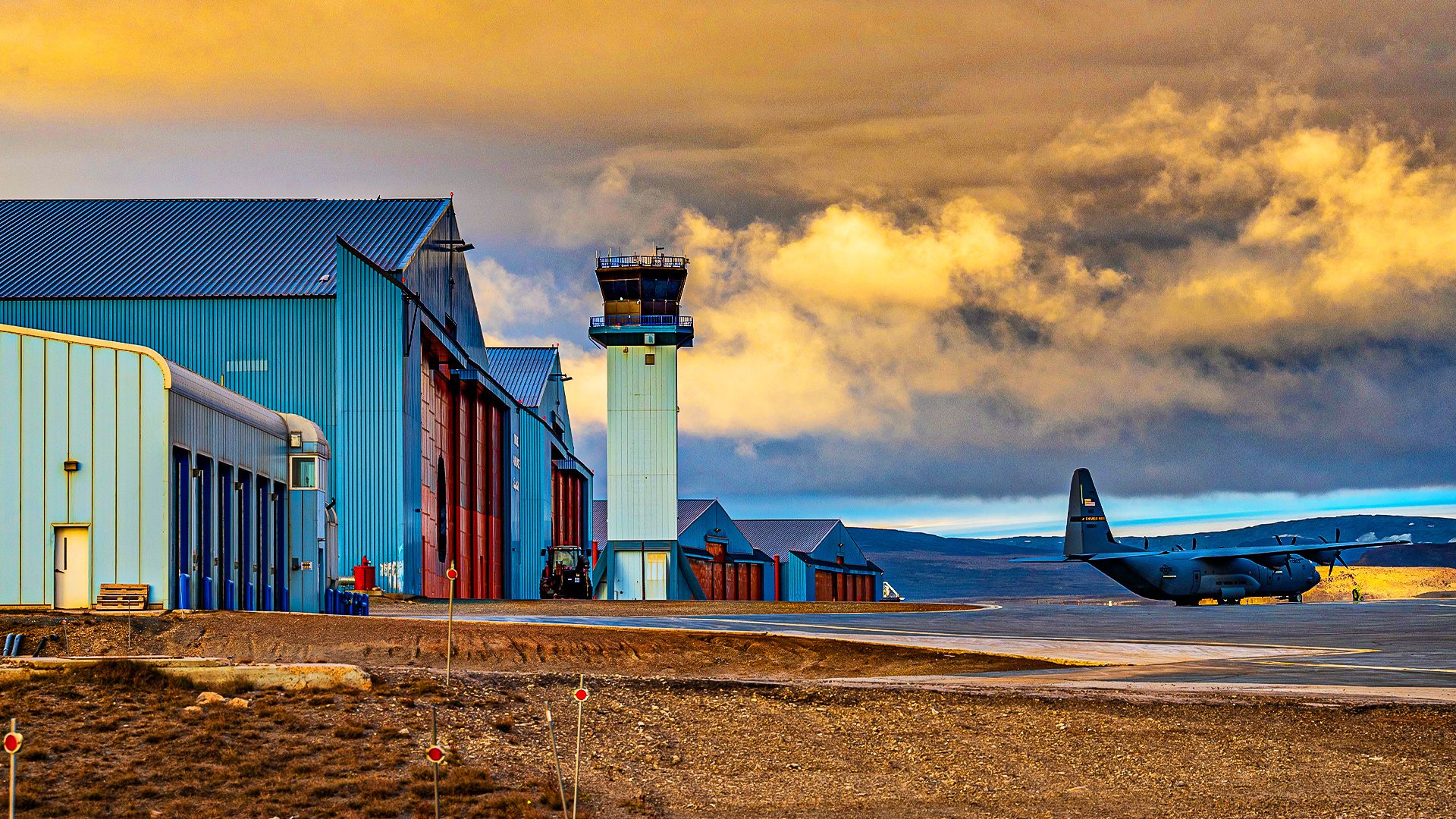
In Greenland, the U.S. has renewed its interest in the territory, which is viewed as strategically important for Arctic security. Trump stated that he is exploring “a range of options” for acquiring Greenland, hinting at the use of force if necessary. This stance has drawn sharp criticism from Danish Prime Minister Mette Frederiksen, who warned that any military action would jeopardize NATO alliances.
Meanwhile, in Iran, anti-government protests have surged, fueled by severe economic hardships. Trump has refrained from advocating for regime change but has warned of strong U.S. responses should Iranian authorities resort to violence against demonstrators. “If they start killing people… we’re going to hit them very hard,” Trump stated, escalating concerns about potential military intervention.
Military Operations and Diplomatic Moves
In a bold assertion regarding Mexico, Trump indicated that U.S. land strikes targeting drug cartels could be imminent. He described this military campaign as part of his ongoing war on drugs, framing the situation as one where cartels exert undue influence over the country.
Additionally, Trump suggested that further U.S. strikes against Islamic State militants in Nigeria could occur if violence against Christians persists. “I’d love to make it a one-time strike… But if they continue to kill Christians, it will be a many-time strike,” he warned, reflecting the administration’s readiness to engage militarily in response to human rights violations.
Tensions with Colombia appeared to ease following a recent phone call between Trump and Colombian President Gustavo Petro. Trump expressed appreciation for Petro’s tone and openness to dialogue, even as he had previously suggested an invasion of Colombia could be on the table. Petro, who has openly criticized U.S. military actions, reiterated his commitment to defending his sovereignty.
In a surprising turn related to Venezuela, Trump announced the cancellation of a planned second wave of attacks, citing improved cooperation with the Venezuelan government in rebuilding its oil and gas infrastructure. He noted this collaboration as pivotal, stating, “Because of this cooperation, I have cancelled the previously expected second wave of attacks.”
Trump’s approach reflects a blend of military readiness and diplomatic overtures, underscoring his administration’s focus on “America First” while navigating complex international relationships. The implications of these actions are likely to resonate well beyond the immediate regions involved, influencing global dynamics as the U.S. seeks to redefine its role on the world stage.