Secretary of State Marco Rubio emphasized the United States’ strategic approach to Venezuela during an interview on “Face the Nation” with Margaret Brennan on January 4, 2026. He outlined the current military posture and the rationale behind U.S. policy concerning the Venezuelan regime, particularly under the leadership of Nicolás Maduro.
Rubio clarified that while the U.S. retains all military options, including potential ground forces, the government’s focus remains on sanctions and economic pressure rather than outright occupation. He noted that the Venezuelan economy, heavily reliant on oil, suffers from mismanagement and corruption, with the wealth generated not benefiting the populace. “None of the money from the oil gets to the people. It’s all stolen by the people that are on the top there,” Rubio stated, explaining the ongoing quarantine against sanctioned oil shipments. This measure is intended to exert leverage until significant changes occur in Venezuela’s governance and economic structure.
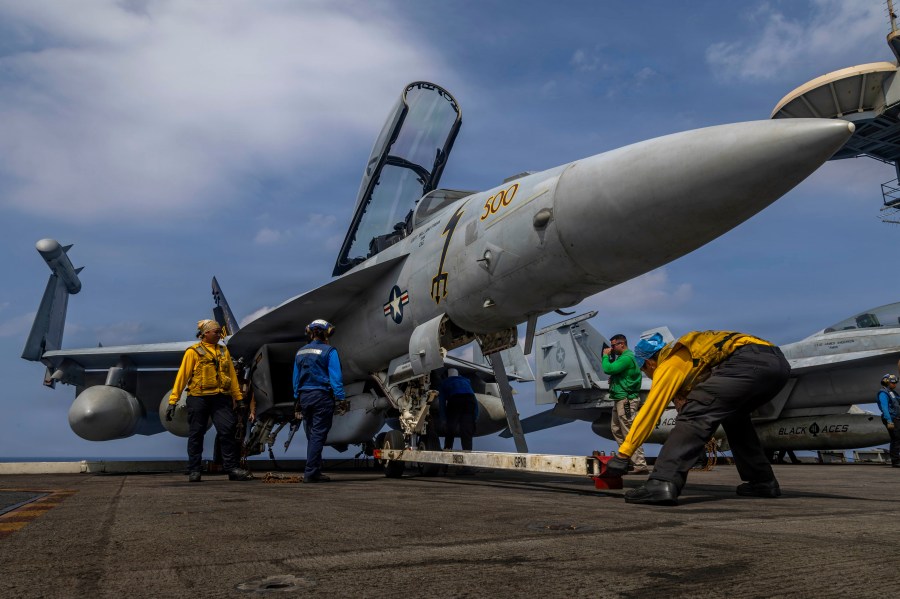
In response to Brennan’s inquiries about the U.S. military’s role, Rubio highlighted the current naval presence in the region, which he described as one of the largest in modern history for the Western Hemisphere. This deployment aims to disrupt drug trafficking and restrict revenue streams to the Maduro regime. He remarked, “What you’re seeing right now is an oil quarantine that allows us to exert tremendous leverage over what happens next.”
The discussion also touched on the recent arrest of Maduro, who has been indicted on drug trafficking charges. Rubio defended the decision to target Maduro first, describing the operation as “one of the most daring, complicated, sophisticated missions this country has carried out in a very long time.” He expressed confidence in U.S. military capabilities and pointed to the challenges of capturing other high-profile officials, including Diosdado Cabello, the interior minister and a known narco-terrorist.
Despite the U.S. government’s aggressive stance, Brennan pressed Rubio on the continued presence of Maduro’s associates in power, questioning the effectiveness of the strategy. Rubio affirmed that the U.S. is focused on high-priority targets and emphasized the complexity of the situation, stating, “You’re asking me, why didn’t we do that in five other places at the same time? I mean, that’s absurd.”
When discussing the future of Venezuelan leadership, Rubio acknowledged the legitimacy of opposition figures María Corina Machado and Edmundo González, who won the 2024 elections. However, he declined to confirm any immediate plans for transitioning governance to these leaders, stating that the U.S. would assess future actions based on the regime’s decisions. “We want to see all of that happen… but we’re going to judge everything by what they do,” he stated.
Rubio concluded with a reminder of the United States’ objectives in the region: preventing drug trafficking and reducing the influence of adversarial nations like Iran and Hezbollah in Venezuela. He reiterated the need for a shift in how the Venezuelan oil industry operates, emphasizing that any potential investment must ultimately benefit the people of Venezuela.
As the situation in Venezuela continues to evolve, the Biden administration’s approach remains focused on leveraging sanctions and maintaining a strategic military presence while navigating the complexities of diplomacy in the region.