A missile strike in Kryvyi Rih, Ukraine, on April 4, 2025, devastated the lives of many when an Iskander 9M723 ballistic missile, equipped with components sourced from U.S. technology firms, struck a playground. The attack killed 20 people, including nine children, and left the community grappling with the aftermath of war.
Matviy Holovko, an eight-year-old boy, was playing with his toddler nephew when the missile hit. The missile, produced in Votkinsk, Russia, was among over 400 Iskander-M rockets launched by Russia by late 2025. While the Kremlin claimed the missile targeted a military meeting, surveillance footage revealed only civilians in the vicinity.
In a neighborhood accustomed to conflict, Matviy had learned to recognize the sounds of warfare as part of his childhood. On that fateful Friday evening, the warm spring air was filled with laughter as children played on the newly painted playground equipment. Matviy’s mother, Vita Holovko, and his sister, Anastasia Prava, watched the scene unfold, momentarily forgetting the war that had disrupted their lives.
As the missile approached at a speed six times that of sound, the playground soon became a scene of horror. The Iskander struck at 18:50, creating an 11-foot crater and scattering metal debris over the area. Witnesses described the horrific aftermath, noting that the attack marked the largest confirmed loss of Ukrainian children during the ongoing conflict.
Ukrainian investigators have consistently noted the presence of foreign components in Russian weaponry, with parts from companies like Intel, Analog Devices, and Texas Instruments found in the wreckage. A Senate subcommittee report highlighted a lack of accountability from these companies regarding the diversion of their products into Russian military applications. In response, these firms stated that they ceased operations in Russia following the invasion and condemned the use of their technologies for military purposes.
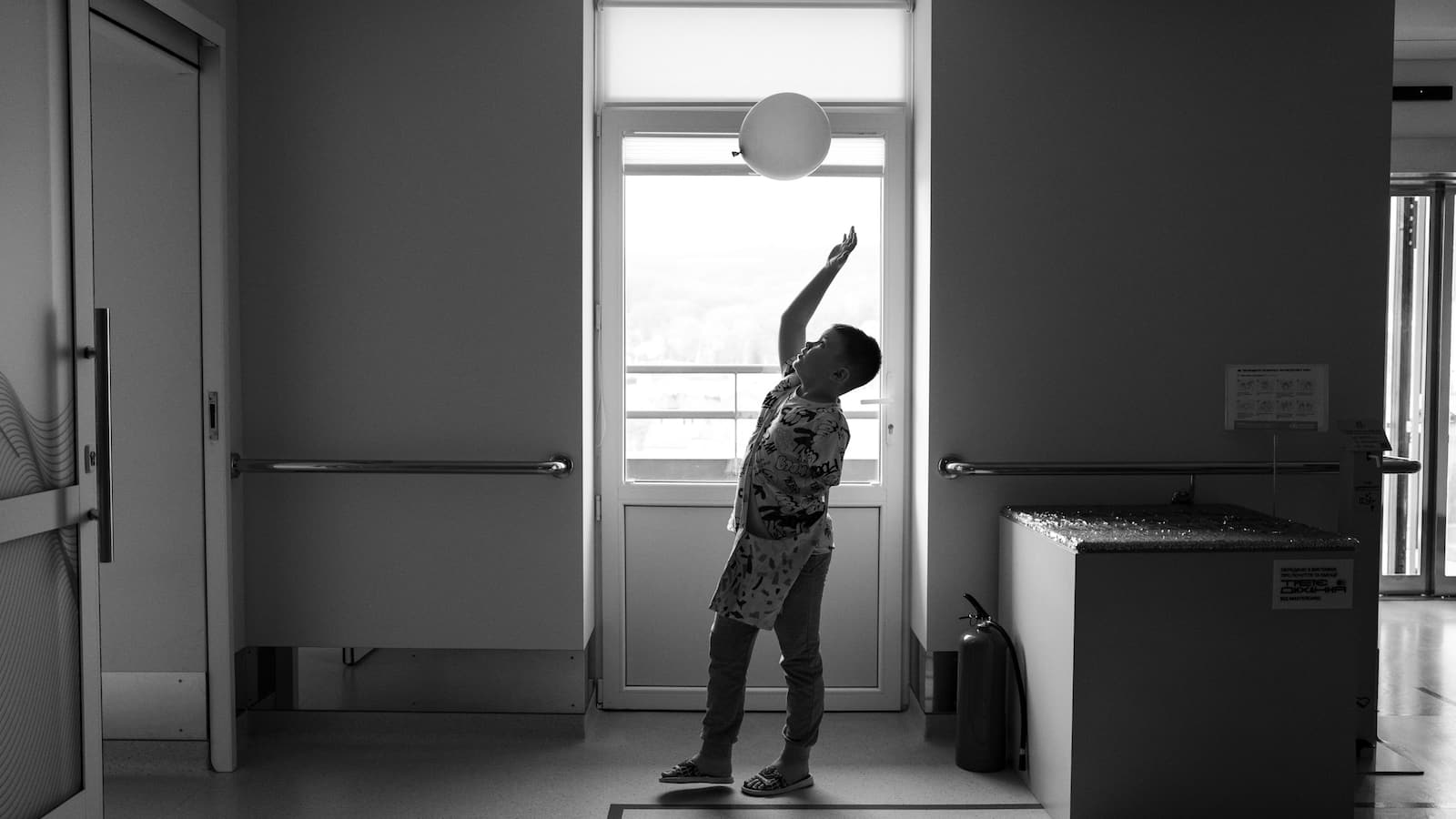
The immediate aftermath of the strike saw Matviy severely injured, with his left arm shattered. His mother shielded him from the blast and was tragically killed in the explosion. As rescue efforts commenced, over 70 individuals sought medical treatment for their injuries. Matviy underwent multiple surgeries, ultimately losing his arm to the violence that has plagued his homeland. His father, Kostiantyn Holovko, struggled to find the right words to explain the loss of his wife to his young son.
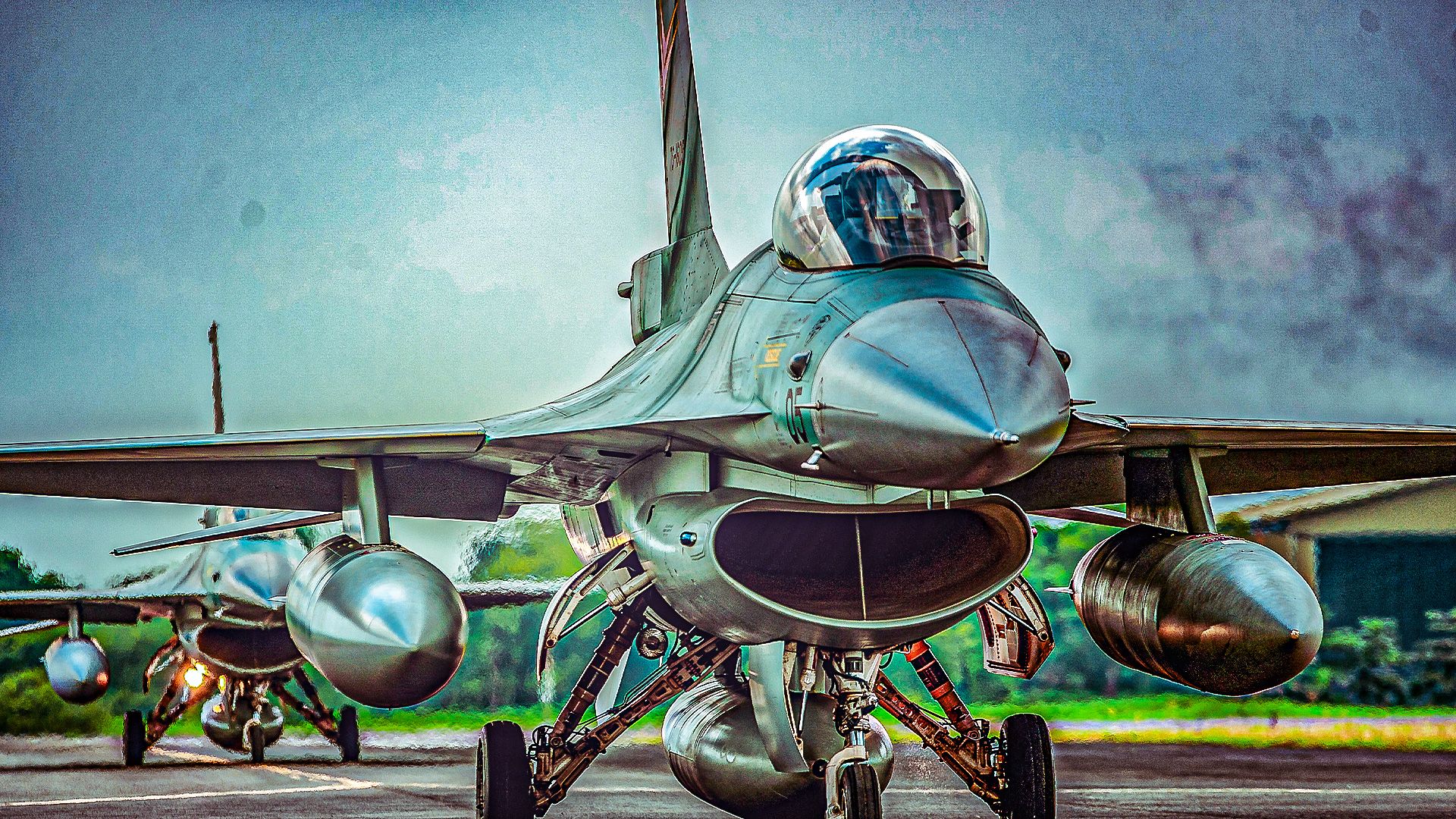
In the days following the tragedy, investigators from Ukraine’s Security Service (SBU) began analyzing the missile debris. They confirmed it to be an Iskander 9M723, equipped with a high-explosive fragmentation warhead. Their findings revealed that approximately 70% of the missile’s components were sourced from U.S.-based companies, raising questions about the effectiveness of sanctions imposed to limit Russia’s access to advanced technologies.
As the conflict continued into 2025, the volume of Iskander missile launches increased dramatically. By November of that year, the SBU had compiled a detailed report outlining the military leadership responsible for the attack, including Col. Gen. Aleksey Kim and Vice Adm. Alexander Peshkov. Ukraine has charged these individuals with war crimes, seeking accountability for the deaths and injuries caused by their actions.
The ongoing conflict has placed immense strain on communities across Ukraine, particularly for families like Matviy’s. As he adapts to life with a prosthetic arm, the emotional scars of that day linger. Matviy’s sister, Anastasia, has taken on a caregiver role, helping him navigate the challenges of his new reality while grappling with their shared loss.
Despite the destruction, the playground in Kryvyi Rih remains a poignant reminder of the lives affected by the war. Local families have expressed a desire for a memorial to honor the victims, as air raid sirens continue to disrupt daily life in the region. Investigators remain vigilant, collecting evidence to hold those responsible accountable while seeking to understand the origins of the technology fueling this conflict.
As winter approached, Matviy and his family found solace in small daily routines. He is learning to cope with the changes, engaging with his peers and participating in activities like soccer. The resilience of children like Matviy serves as a testament to the human spirit amid the ongoing tragedy of war in Ukraine.