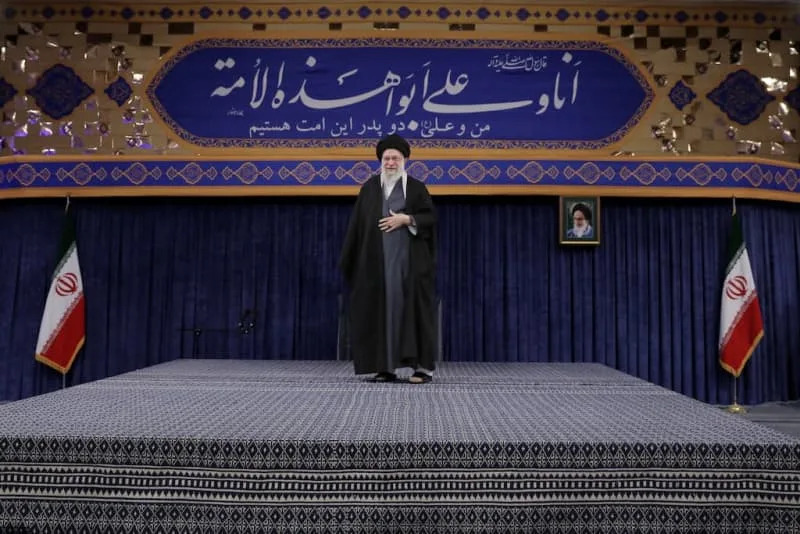
Protests in Iran have intensified over the past two weeks, with reports indicating that hundreds of demonstrators may have lost their lives amidst escalating unrest. In response, the Iranian government has taken drastic measures to suppress information, including shutting down internet access. While the domestic situation remains volatile, Iran’s leadership has continued its diplomatic outreach, presenting a facade of normalcy.
Amid these protests, Iran’s Foreign Minister, Abbas Araghchi, visited Lebanon, meeting with local officials to discuss bilateral relations. This visit occurred despite the growing dissent within Iran, highlighting Tehran’s attempt to maintain its influence in the region while facing internal turmoil. During his discussions with Lebanese President Joseph Aoun, Araghchi emphasized that Iran supports Lebanon’s independence and sovereignty. Aoun, for his part, advocated for non-interference in both nations’ internal affairs, reflecting Lebanon’s complex relationship with Iran, particularly concerning its ties to Hezbollah.
The diplomatic engagement with Lebanon comes as Iran grapples with a mixture of criticism and concern from neighboring countries. The Lebanese Foreign Minister, Youssef Raggi, has previously expressed apprehensions regarding Iran’s involvement in Lebanon, an issue that has strained relations over the past year. This dynamic is further complicated by the shifting power balance in the region, where Israel has gained more operational freedom compared to Iran’s diminished ability to transfer weapons through Syria.
In Tehran, Araghchi also held talks with Oman’s Foreign Minister, Sayyid Badr bin Hamad bin Hamood Al Busaidi, where he warned against external interference in Iran’s internal matters. His remarks seemed directed at both the United States and Israel, as he urged that regional conflicts should be resolved through dialogue among local actors rather than external influence. He stated, “No country has the right to meddle in the internal affairs of others,” emphasizing a call for sovereignty and self-determination.
Iran’s leadership is keen to project an image of control and stability. Despite the ongoing protests, which have reportedly led to the deaths of at least six security personnel and the detention of numerous demonstrators, officials have refrained from seeking external assistance. On January 11, 2024, Iranian Parliament Speaker Mohammad Baqer Qalibaf asserted that Iran would confront any perceived threats, warning that external aggression would place US bases within Iran’s range of retaliation.
Concerns about the protests extend beyond Iran’s borders. Neighboring Turkey fears that a collapse of the Iranian regime could inspire similar unrest among its own population. Turkish media, while generally supportive of the Iranian government’s narrative, reported on the severity of the protests, with local sources indicating over 200 arrests of protest leaders.
As the Iranian government navigates these challenges, President Masoud Pezeshkian has publicly blamed external forces for inciting chaos, stating that the country will address the economic issues driving the dissent. While Iran strives to maintain its regional influence and suppress internal unrest, the ongoing protests signal a critical moment for the regime, testing its resilience and grip on power.